Wanting to Write about the Martyrs of Charleston

Dear Napper’s Companions,

Toward the end of May, kind and thoughtful Mary sent me an email that has stayed with me. I had posted a newspaper column I wrote over a decade ago about the prospect of the United States bombing Iraq. Here’s most of Mary’s response:

I came home from my job . . . here in Asheville where you and I briefly met and realized that I have not read A Napper’s Companion in a while. It was a treat to read your posts all at once in the silence of my living room while my husband flipped through The Mountain Express and my Pug snored contentedly.

I enjoyed all of them except the political one, but it got me thinking. I think the political system is broken, because we are. I think we should all step back and let go of our identifying with political parties so strongly and begin to really, actually listen to each other. Perhaps more healing could take place. Hmm. More for me to think about and try to do.

220px-Fra_Angelico_031

The first words of Benedict’s Rule for monastic life: “Listen to the ear of your heart.” (Credit: Wikipedia)

First, Mary’s setting for reading is enchanting. Would that we all could relax in living rooms with a spouse honoring the silence and a dog snoring to provide the necessary punctuation.

But “I enjoyed all of them except . . .” made me pull up short. A baseball player who bats .300 has reason to celebrate. Thin-skinned writers, on the other hand, get moody over a .900 average. A single clunker can make us sulk and whine, “Aw, to bloody hell with the whole writing thing!”

In fact, I don’t bruise so easily. My stay at the Johns Hopkins Writing Seminars thirty years ago gave me callouses, as did the fat file of rejection letters I’ve received from hundreds of magazines and book publishers. Mary’s except stung for an instant—a flu shot, a plucked eyebrow. The pinch was immediately followed by gratitude.

I wrote back, “I couldn’t agree with you more. I’m really grateful for your note because you’ve taught me something important.” Her lesson takes some explaining.

A week ago I savored the free Wi-Fi at a Panera Bread in Lyndora, Pennsylvania, and started a report about my week with kids and pastors at church camp. (You’ll get to read that soon enough if you want to.) Unfortunately, the joys of hanging out with fresh-faced teenagers and clergy friends intersected with receiving news of the nine martyrs of Charleston, South Carolina.

As I sipped mango iced tea and sighed, my intended report buckled under Dylann Roof’s scowl. Rather than staying in the woods of Camp Lutherlyn, I followed the thruway to Emanuel A.M.E. Church. Soon I was dissecting the latest installment in our national shame, and the kiddos and Martin Luther’s Small Catechism were hundreds of miles behind me.

IMG_3503

I should have stayed at camp, where a butterfly rested on my sneaker.

I had a morning after experience when reviewing what I had written: “What did I do?” Even as I was droning on about a racist, terrorist attack, Mary’s except cautioned me. I should have known. Sampling around 1500 words, I felt like a cook who had spent hours on a dish that turned out bland. Eh!

The fact is, writers need to be open to learning their gifts and limitations. At fifty-three I would have hoped to be confident in my wheelhouse, but since most days I squeeze in at most an hour at the writing table, awareness has been delayed.

Ah well, as Sherlock Holmes said, “It is better to learn wisdom late than never to learn it at all.” Did you know that both William Shatner and Sebastian Cabot covered Bob Dylan? “Mr. Tambourine Man” and “It Ain’t Me, Babe” respectively, and others, too. The results, spoken rather than sung, were embarrassing and have been justly consigned to, well, camp. Captain Kirk seems to have embraced his inner pink flamingo. I don’t know about Mr. French.

There’s nothing much sadder than writers and artists who are under the impression that their stuff screams when, in fact, it’s eh or worse, ridiculous. (Lack of self-awareness is hardly sadness at all, of course, compared to getting murdered in a Bible study.)

I’ve written a fair amount about societal cancers and governmental rancor and absurdity because of the effort’s therapeutic purging. But in sharing such work, I may sound like a baritone trying to tackle “Nessun Dorma.” Some measures work, but the entirety doesn’t sing.

The point: Mary’s except, so gently rendered, invited me to recognize my voice, which has more to do with singing about my wife, children, grandson, and dog–close to the end, I’m afraid–than with spelling out what we humans can do to keep our species from imploding. More to do with celebration and lamentation than explanation. I enjoy having my say, but folks don’t stop by A Napper’s Companion to pick up ways to save the world.

I imagine if you’ve hung around here for long, you’re like Mary from Asheville, reclined in a quiet room with a sleeping Pug. You’re looking for a few minutes of hope, a port of joy or comfort in all kinds of weather, or a love letter.

800px-Sad-pug

Like you, friend, I don’t have much other than questions? (Credit: Wikipedia)

Or maybe a song and a prayer, which are good places to end. As I hold our family members who welcomed in a young man concealing bullets and rage, I’ve got no answers, no fix. But I do have a song, not from church camp, but verses from an old hymn:

From ev’ry ailment flesh endures

our bodies clamor to be freed;

yet in our hearts we would confess

that wholeness is our deepest need.

In conflicts that destroy our health

we recognize the world’s disease;

our common life declares our ills.

Is there no cure, O Christ, for these?

And I have a prayer:

Let there be a cure, Eternal Love,

and lead us to it.

A song and a prayer aren’t much, I know, but they’re all I’ve got.

Peace and love,

John
TBT: So . . . Was I Right about Iraq?

I’m often slow on the uptake. Facebook friends keep posting photographs with the comment “TBT.” What the hey? Since my policy is not to put much thought into cryptic messages, ignorance has enjoyed its long day. I finally broke the code, but can’t remember how. If ever a brain needed a laxative, it’s mine. A cheap Cabernet may have cleared enough obstructions for the obvious to snap into focus, the way the Eiffel Tower or Sebastian Cabot appear in 3D glory after you zone out looking at one of those dizzying posters that used to populate restaurant waiting areas. (Mr. French may be available only through special order.)

Throwback Thursday! Of course. UrbanDictionary.com updates my revelation by noting that TBT may also indicate Throwback To . . . . So every day of the week we can gorge ourselves with impunity on grainy images of our unfortunate 1980s hairstyles. I love it.

Since I got my hair cut roughly the same way today as I did thirty years ago, I don’t have much to add to TBT in the way of embarrassing photographs. In the process of junk sorting, however, I found an opinion piece I wrote for the Erie Times-News between 9/11/2001 and the U.S. attack on Iraq on 3/19/2003.

This particular TBT is short on humor, but it is interesting to revisit old convictions.

unnamed

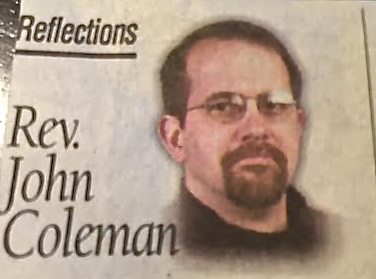
Sad when your throwback photograph from a dozen years ago makes people say, “Geez, he’s let himself go.”

What would Jesus say about Iraq? (This title and the paragraphing are not mine.)

For the United States, September 11, 2001, was a series of unimaginable sucker punches. In a few hours, terrorists placed on our country’s hearthrug a new reality: the “gentleman’s agreement” as to the rules of war had been altered.

The “enemy” isn’t necessarily a specific country anymore, and rather than sticking their chins out for a retaliatory punch, attackers blow themselves up.

The question is, how should we respond to this new set of rules—or lack thereof? Or more to the point for me, what is a faithful way of responding to terrorism within our borders?

President Bush isn’t hiding his take on the matter. He thinks that the United States, either alone or in cooperation with other nations, should bomb Iraq with the goal of eliminating Saddam Hussein.

I haven’t heard any of television’s talking heads dispute the Bush administration’s claims that Iraq supports terrorism, so I guess if we’re going to wage war on terrorism, Iraq is as good a place to start as any.

My concern isn’t where the bombing should begin, but when it will (or won’t) end.

I don’t pretend to know what course of action will best protect our national interests or rid the world of the fanatical inclination to fly jets into skyscrapers.

Even as a pastor, I don’t know that I could win a theological argument for peace. Many intelligent, scripturally literate people believe that the time for seeking peace with terrorists has passed.

But I do feel increasingly sure about the voice of my own conscience, and the word I’ve been hearing lately is enough.

As I write this, my kids are close by. One is tying up the phone lines by gabbing on AOL, and the other is wearing a pair of goggles and pretending to swim across my study floor. My wife is at a class on home repair. I love these three.

Here’s the deal. If we start down the wrenching, potentially endless path of incinerating the world’s sucker punchers, people every bit as dear as my beloved three would also burn because they happen to be in the way.

Enough! Enough lives lost. Enough grieving. Enough violence.

Like I said, these are only the words of my own conscience. I’m probably wrong and simplistic, but I try to imagine Jesus standing beside me. What would he say? I can’t hear “bomb ‘em” or “acceptable collateral damage” coming from his lips.

What I hear is more like “figure out something else.”

IMG_3280

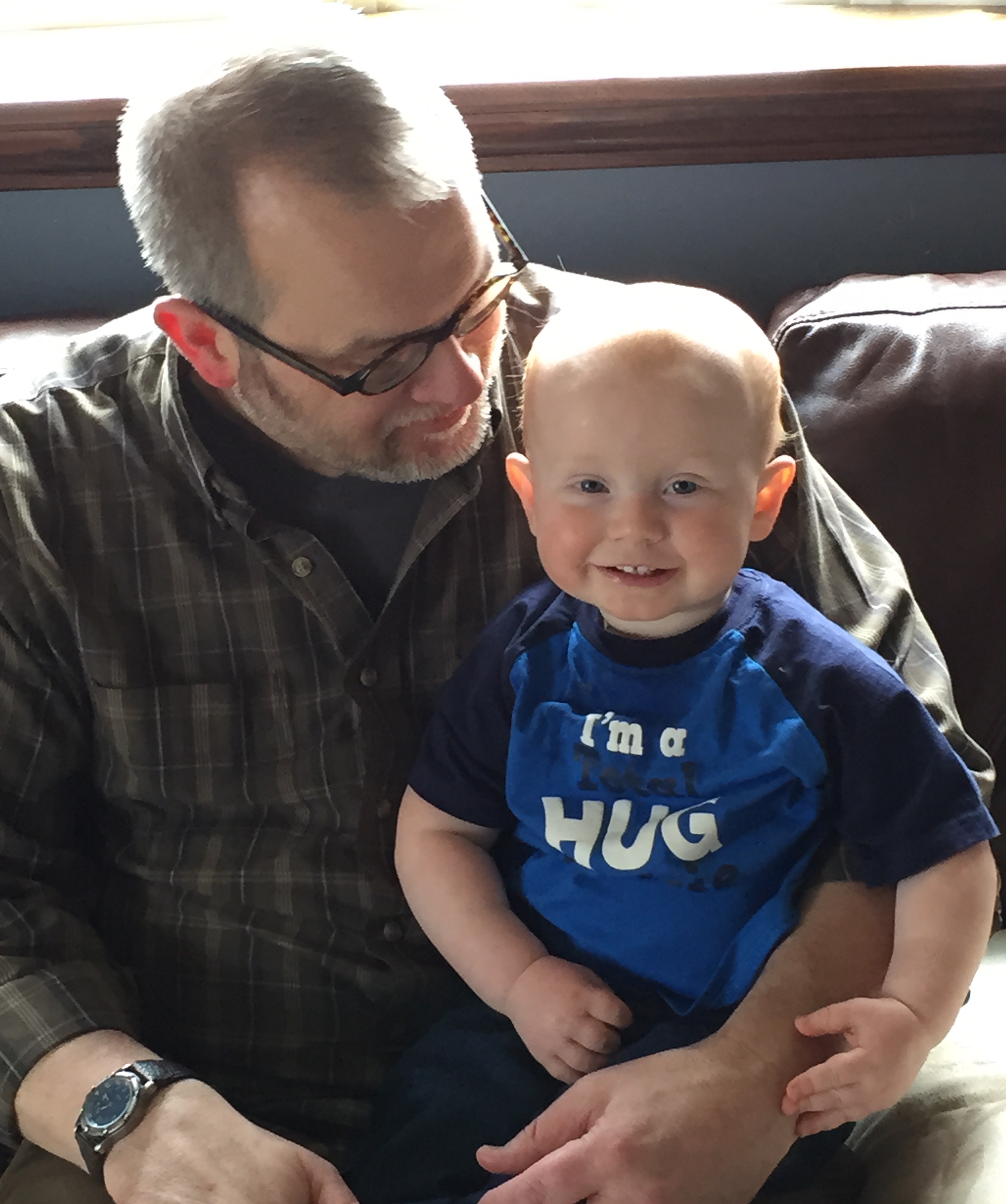
Grizzled and pudgy, I imagine my beloved grandson under the bomb. I guess I’m parked in the same spot I was years ago.

Burying Aunt Sue

I buried Aunt Sue yesterday morning. That’s what some pastors call funerals. We bury the dead, speaking the word with reverence.

It was ashes a dozen or so family and friends commended to the earth. Since Aunt Sue died in February, all had grieved for a couple of months, maybe spent their quota of tears.

I loved my aunt, but her passing hasn’t crushed me—the sad result of extended families drifting apart. I saw her once or twice a year. She was cheerful, loved china painting, made elegant sea-foam, and traveled a lot in her later years. A few loved ones shared such memories, and I tossed in a couple of my own: her twittering laugh and her faithful attention to my dad during his decline, punished by dementia. She never quite understood that a person whose brain has gone to pieces can’t read a book or assemble puzzles or in any other way snap out of it. But she was present to her brother in the best way she knew how, which is all any of us can do.

IMG_3292

When I buried Dad a few years ago, Aunt Sue stayed in the car. She couldn’t bear his passing.

An hour before the graveside service, images of poor, confused Dad went through my head, and I remembered something he said a few months before his death in January of 2012. His words were confused, but poetic.

At that time Dad and his wife Mary were in different care facilities, both having lost not only each other, but themselves. I arranged to take Dad from Independence Court (great facility, absurdly named) to Mary at Pleasant Ridge (well, that’s half right), hoping that seeing each other might bring them joy. When I wheeled him into her room, they were joyful, indeed: a kiss, a hug; then he took her hand as if he had found a fragile treasure and held it to his lips. “Come on, let’s get out of here,” he said, the old Dad surfacing for an instant, eyes narrowing into his old enough-of-this-bullshit expression.

“Oh, Dad,” I thought. Mary was mostly bedridden, her legs dead weight. But, of course, who doesn’t want to close his length of days at home, with his beloved? Does the longing for the warmth of familiar skin ever die?

During one visit to Dad, he thought I was his brother—he didn’t have a brother. He confided that he planned to ask Mary to be his wife, but was worried she wouldn’t say yes. He couldn’t remember her name.

“Mary,” I said.

“Yes, Mary.” He wiped away tears. “She’s my favorite.” They had been married for over thirty-five years.

When dementia or Alzheimer’s had stolen everything else, it granted Dad the slight mercy of leaving Mary’s face. When he said “let’s get out of here,” I imagine he just wanted to be close to his favorite.

IMG_3293

A view of Lake Erie that Dad and, eventually, Mary will share–sad they won’t see it.

Mary was silent, lucid enough in the moment to know that they had no place to go, no muscles or wit to get them anywhere.

“Well, then, maybe we can get together . . . .” Dad paused, searching his atrophied vocabulary. “Maybe we can get together at the other post.

“If only we could step out onto a cloud,” Mary said, still holding Dad’s hand. “But that can’t be.”

Dad’s enough-bullshit face returned. “Why not?”

I don’t remember anything else about the visit, but Dad’s suggestion has played again and again in my memory: “Maybe we can get together at the other post.”

So an hour before giving Aunt Sue a good send off, Dad gave me the right words. When the time came to speak them, the nightmare of his last days stopped me. I barely managed Dad’s longing, his wish: “Maybe we can get together at the other post.”

Sometimes tears make the most honest eulogy. I remember my Grandma Miller, her body stooped and gnarled with arthritis; my sedated mother on her death-bed with her left hand, scarlet and impossibly swollen, reaching for my hand as I thanked her for being a good mother; my father, howling and clawing through his final hours.

Oh, for the hope of another post—where minds are restored, where pain rises like fog at dawn and burns off, where wounds are healed, injuries forgiven.

Then I hear Mary: “But that can’t be.”

My lips purse, eyes narrow: “Why not?”

IMG_3309

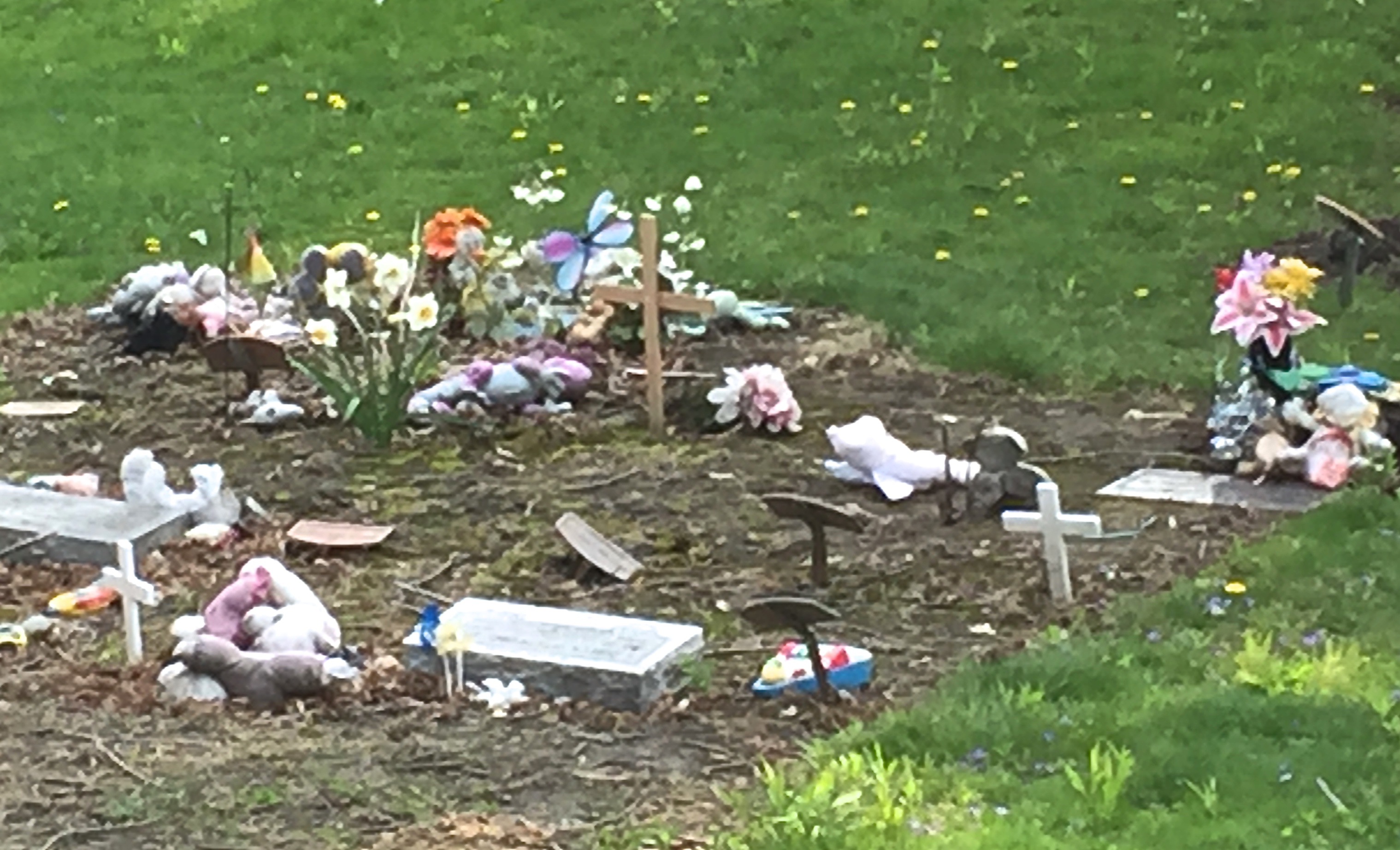
The closed children’s portion of Lakeside Cemetery, where Dad and his sisters, mother, and father are buried: soaked Teddy Bears and plastic flowers.

This morning I ached for the other post and knew that nothing but sitting still and silent with God would help, so I drove to Presque Isle and watched waves catch the sun. Honest-to-goodness shafts of heavenly light split iron-gray clouds and warmed Erie, Pennsylvania, across the bay. I had planned on burying my aunt yesterday. I hadn’t expected to bury my father again.

IMG_3295

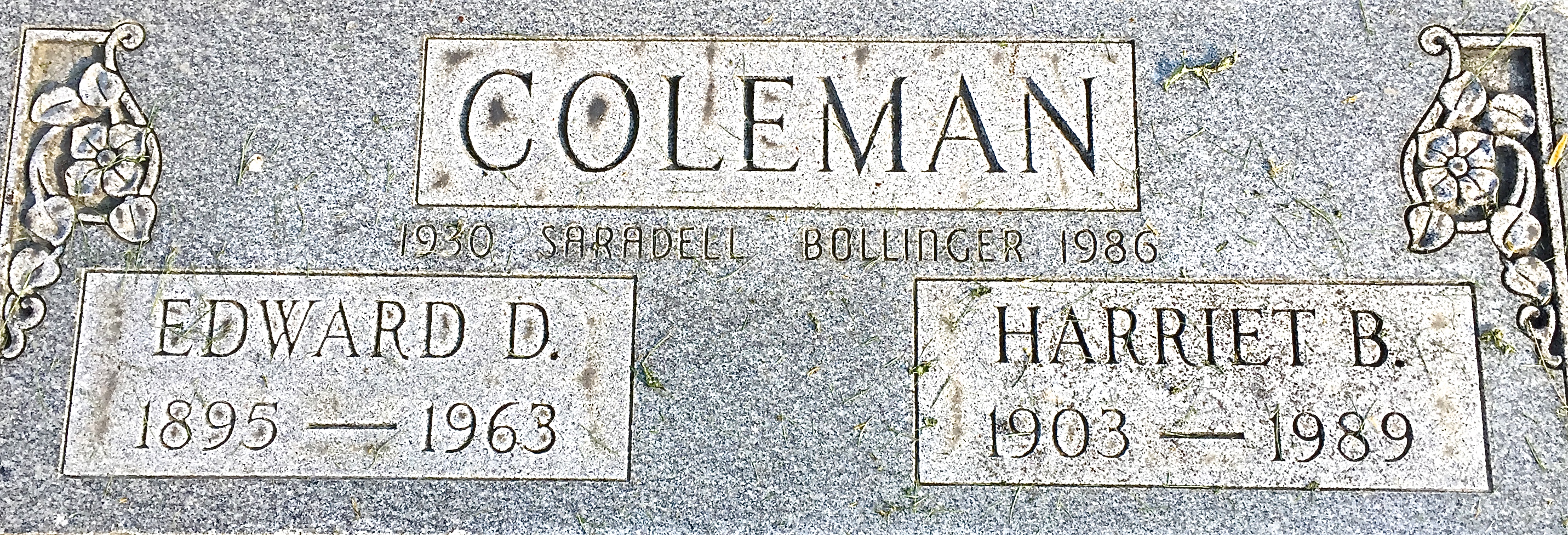
Aunt Sally’s (Saradell) resting place, a footnote on her parents’ gravestone. Her twin, Aunt Sue, will be somewhere nearby.

The weight of tears pressed from behind my eyes, but none came. Who knows why?

Eternal Love, prepare for us the other post. Gather us all there, our hurtful bullshit left behind. Our brains and bones wear out, so we return them to the earth. Give us what we need–only what we need–to know you at last.

I am crying now.

800px-Claude_Monet,_Le_Grand_Canal

Presque Isle Bay doesn’t shimmer like a Monet, but the waves are dear to my eyes. (Claude Monet, Grand Canal Venice, 1908. Credit: Wikipedia)

P. S. If you enjoyed this post, you might also like these (the first one is joyful, the other two not so much):

“A Letter to My Late Mother”:

https://anapperscompanion.com/2013/12/02/a-letter-to-my-late-mother/

“A Prayer for Philip Seymour Hoffman, Justin Bieber, and a Child in a Fire”:

https://anapperscompanion.com/2014/02/04/a-prayer-for-philip-seymour-hoffman-justin-bieber-and-a-child-in-a-fire/

“Viewing Dad’s Death Loop at Gethsemani”:

https://anapperscompanion.com/?s=Viewing+Dad%27s&submit=Search


Home Is When I Come to Rest

IMG_3043

The wall of my Shenley Drive study

A couple evenings ago, while walking our beloved gimp Watson to the end of Shenley Drive, wife Kathy and I counted the number of times I’ve moved since my sophomore year of college, when I rented my first apartment. I narrated, and she revised here and there.

In twenty-three years, I’ve moved twenty times, with Kathy along for most of them. We married young (I was twenty-one, she was twenty) and amazingly we’re still together. Three bouts with graduate school, daunting challenges with our now-adult daughter Elena and son Micah, my nervous breakdown and struggle to be a good household helpmate: such realities beat up a marriage. We’ll celebrate our thirty-second anniversary this July because Kathy is forgiving. I’m a nice guy and patient to a fault, but we’re embarking on yet another move as husband and wife because the latter gives the former endless second chances.

My twenty-first move, Kathy’s twentieth. This one is from Erie, Pennsylvania’s west to east side, fifteen minutes, five or six miles. 2200 square feet to 1000. Two stories to one. Upper middleclass to middleclass. Shenley Drive to Parkway Drive. 16505 to 16511.

IMG_3014

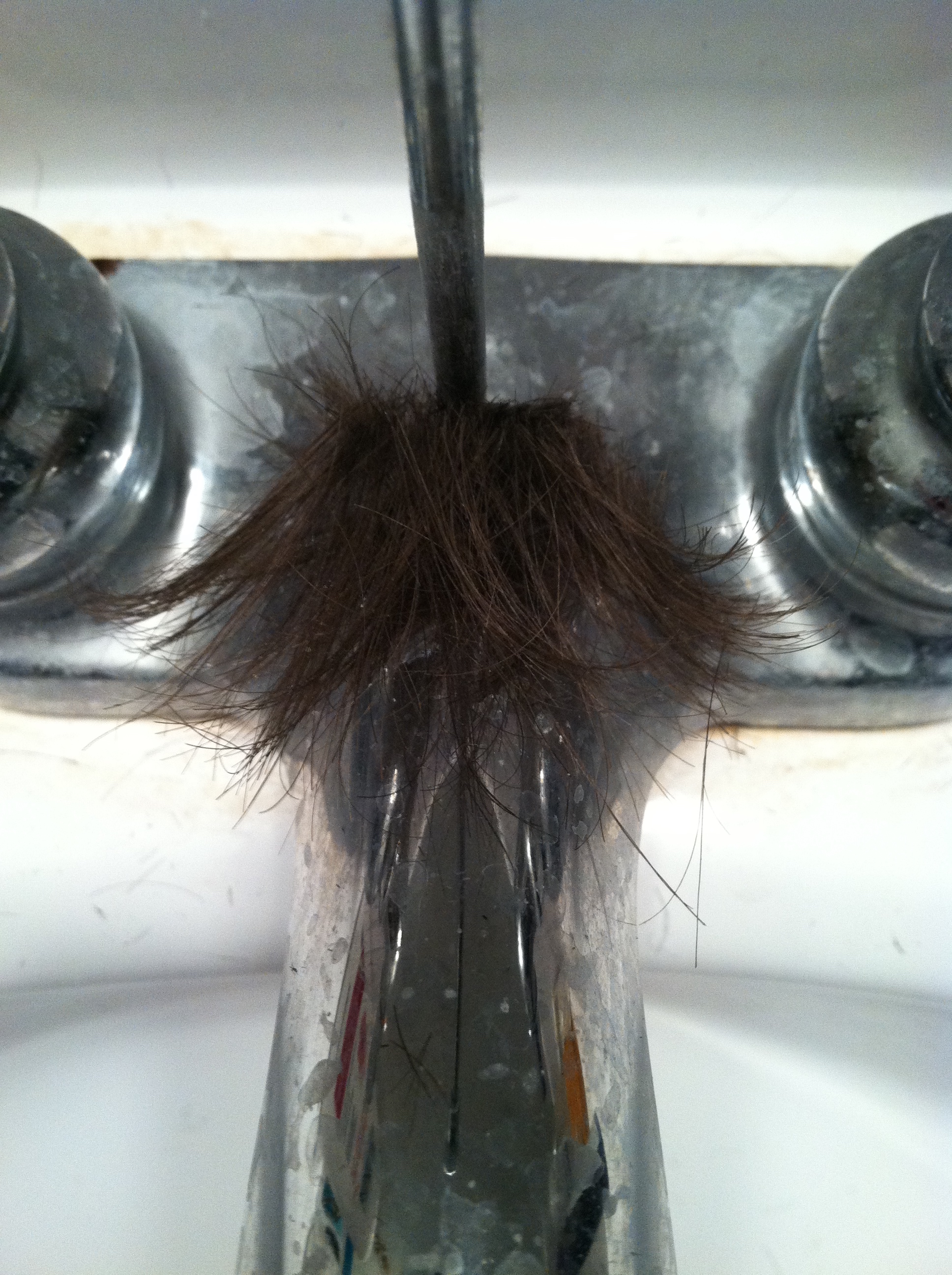
Micah cut his hair at the dirty bathroom sink and unintentionally gave the faucet a generous mustache. 322 Shenley is crowded with such incidental joy.

Of course, there’s the emotional part of the move. Kathy is beyond ready, having spent countless hours painting, plastering, and planning the new place. Micah has fourteen years of testosterone, fury, and healing invested in his home; he sulks and sighs. I don’t get attached to dwellings much, but leaving Shenley Drive has me negotiating with a funk. Having gone through several episodes of hell there, I find the hardwood floors and views out the windows have taken on sweetness in these better times. And I came to rest at 322 Shenley. Lying in bed with Kathy and looking out at the boulevard’s old maples in all seasons, I thought many times, “I don’t need to be anyplace else. When my hour comes, I could die here, this woman beside me, my eyes on the trees.”

It’s easy to move when you’re ready, another when your heart won’t quite let you say goodbye: to a yard crowded with flowers and herbs, to neighbors as close as family, to walls you’ve leaned against and cried.

Dear as Shenley is to the Colemans, I know from the scars of leave-taking that bulbs and seeds grow in other gardens, friends appear on every avenue, and new walls can become trusted shoulders.

IMG_3212

A new route to the bathroom

Anyway, Shenley isn’t my home, nor will Parkway be. I remembered this the first night Kathy and I spent in our new bedroom. Flummoxed Watson clicked on the hardwood from my side of the bed to Kathy’s, back and forth, ad infinitum. The route to the bathroom was odd, short and direct. But I wasn’t sad. For me, home is saying “Kiss goodnight?” to Kathy and resting my hand on her warm belly as we fall asleep. Home is her saying “I love you, John Coleman” after the alarm goes off. (Yes, Kathy calls me by my first and last name.)

photo-5

Home is kibitzing with my son. The functional kitchen is a bonus.

Home is also standing with Micah as he tells me about a wrinkle in his day or about the mantis scrimp, which punches its prey. Before he goes to off to watch television, I say, “Spare a hug for the old man?” He does and means it. That’s home.

Home is Elena calling me Daddy and rescuing my bland refried beans and son-in-law Matt explaining that a truck’s clutch requires oil and toddler grandson Cole nodding and saying “yeah” when I ask if he wants to chew my watch.

Home is singing with my church family on a Sunday morning:

I ask no dream, no prophet ecstasies,

no sudden rending of the veil of clay,

no angel visitant, no opening skies;

but take the dimness of my soul away.

Home is when I close my eyes, sit still, and sense—no evidence other than longing—the presence of the Loving Mystery.

Home is when I come to rest, held close by infinite variations of mercy.

unnamed-1

As long as my grandson is nearby, I’m home. The Loving Mystery looks at me with Cole’s eyes. His smile is mercy.


The Wisdom of Fetch

The Coleman family’s black Lab-terrier mix Watson is getting to be more of a jalopy every day. It’s hard to believe he showed up at our house twelve years ago in the arms of a neighbor and slept peacefully and without piddles between wife Kathy and me his first night with us. Now he has fatty tumors everywhere (one the size of a Florida orange morphing into Nebraska on his flank), a gnarly-pink-jelly-beanish growth on his gums, arthritic shoulders and hips, two blown ACLs, and a metal rod in one leg.

He may also have hearing loss. He has never been tested, but he talks as though we can’t hear him. A noise outside or anybody’s arrival warrants hoops and hollers ascending in pitch and volume. His request for Senior Milk Bones is a single, soul-piercing bark. Most of the colorful language in the house is in response to Watson’s loud barking.

IMG_2269

Watson is convinced that every sound in and out of the house is one of this guy’s cousins. (Credit: John Coleman, taken at L. L. Bean’s big store in Maine)

I ought to be more disciplined about giving the old boy treats, for three reasons: 1.) More treats lead only to more barking. 2.) He is gaining weight. And 3.) Senior Milk Bones give him gas, which he most often shares during our afternoon nap.

We have a ritual. Watson hobbles after me to the bedroom, his nails dragging across the wooden part of the steps. I set my alarm for one hour in the future, put my head on the pillow, and he plops on the floor. After five or ten minutes, he walks around to the other side of the bed and stands there as if to say, “This is going to hurt.”

I say, “Come on up, Watty. Get your spot.” Kathy and I love him so much we removed the bed frame to make it easier for him to get up. “Come on,” I usually have to nudge. “You can do it.”

He hops up, presses his nose against mine, and looks me in the eye—no kidding.

I scratch his jowls, receive a lick on my snout, and tell him, “Okay, buddy, it’s nap time. Lie down.”

He spins twice or thrice and lands in a heap, usually with his bum inches from my face. Twice a week, I’d say, the fun begins right here. I’m not sure what it was about yesterday’s treat allotment, but that mutt stung my nostrils.

For fifteen minutes afterwards, Watson’s flatus molecules clung to my cilia. His oblivion spoke like film’s Rain Man to his brother in the phone booth: “I don’t mind it.”

IMG_2993

An old dog thing: a two-inch tuft of gray hair sprouting from Watson’s chest–a sequoia among saplings.


This coming Saturday morning, Kathy and I are taking our pal to Union City, Pennsylvania, thirty minutes from Erie. We hear a veterinarian there has unorthodox methods that restore broken-down pups. All Watty’s barks, infirmities, and air bagels aside, his death will knock the wind out of us. He is unconditional love in a loud, lumpy, smelly package.

A couple months ago Kathy and I closed on a house less than half the size of our current place. We want to hose the material excess and crud from our lives, but a benefit to having everything on one floor is that our gimp won’t have to climb stairs. We’ll move soon, but I looked at Watson the other day and thought, “Oh, buddy, I hope you get to spend some good time with us there.” You never know when.

IMG_2531

A small house will be home with beautiful Kathy, son Micah, the cats, and monarchs. Please let Watson enjoy it, too.

I’ve always said that Watson is as dumb as a turnip, but as I make my way toward needing senior biscuits, I’m learning that intelligence isn’t all about brain cells. In fact, I would argue that wisdom generally has to overcome gray matter. My dog taught me this a couple days ago. Here’s the chronology:

  • I got home from work, put down my satchel, slung my coat over a dining room chair, held a couple of Senior Milk Bones out to Watson, and put little kitty treats on the counter for Shadow Cat and Baby Crash, who were trying to hypnotize me with their stare.
  • I made a quick visit to the bathroom. As is his custom, Watson heard the flush and remembered where the coldest, most refreshing water bowl in the house was. Ugh.
  • I sat down in the living room for twenty minutes of prayer-meditation. My Zen bell had just sounded when I heard Watson labor upstairs. A few seconds later he thumped back down. My eyes were closed, but I could feel his doggy presence beside me.
  • He had retrieved his biscuit ball, a heavy rubber toy with holes on each end that you stuff broken bits of Milk Bones into to occupy your dog. For once he didn’t care about treats. He wanted to play fetch.

I’m not a fetch kind of guy. I enjoy a good laugh; beyond this I’m not much fun. Occasionally I’ve explained this to Watson: “Now look, you know I don’t play. I cuddle. Your mother plays, right?”

Two brown eyes can teach a lot, even if there’s not much between them. “Hey, Dad,” my dog said, “what’s your life worth if you can’t spare enough time to throw a ball ten times? You know that’s as much as I can handle these days.” Seriously, that moment with Watson, his eyes pup-clear and that purple toy sticking out of his dopey mouth, goes into my spirit’s photo album. My brain cells are always crowding out wisdom. My old friend clarified a lot for me.

Pray or play? A whisper came from inside: “Why not both, busy, neurotic, fragile man?”

“Okay,” I said and sat at the end of the dining room table. I threw the ball all the way to the kitchen counter, fifteen feet, if that—field enough for a twelve-year-old. He rumbled to fetch it and limped back. On maybe the fourth toss, he turned the wrong way and walloped his head against the refrigerator. After recalibrating, he got the ball and sat down beside me as if to say, “What the hey? What just happened?” Thankfully, his head is mostly bone.

But he was right. After a few more trips, he was done.

IMG_3010

Watson after fetch, catching his breath and getting his bearings

Replaying fetch in my head right now, I think, “Watson, who will remind to play when you’re gone? Who will look at me in love and help me say to myself, ‘John, stop living in compartments. Always pray. Always play’”? Maybe he’ll stick around long enough to teach me a few more times.

This morning Kathy got up before I did, so Watson took her place. For once getting out of bed wasn’t a chore, but I stayed a couple of minutes. I rested my face on his side and talked to him: “You know I love you, right? You know you’re a good boy? You know I love you?”

He stretched his head back, put his cheek against mine, and snorted—just the answer I was hoping for.

An Understanding of Prayer

7:39 a.m. at the downtown Starbucks. 7° with a wind chill factor of misery. A burly guy I’ll call Constance lumbered in ten minutes ago carrying his taut duffle bag. It looks like he’s lugging around a four-foot section of big telephone pole. Who knows what’s in there? The pockets of his fisherman’s vest are tumors of valuables.

After a trip to the restroom, Constance resumes his animated discussion with State Street, jabbing the table with his pointer finger and staring down the swirls of snow. His negotiations are urgent, relentless.

I see Constance a couple times a month. My daughter said years ago that he goes by a woman’s name and sometimes dresses in drag. I’ve only seen him dressed for weather, even in summer, but his name is none of my business. Only death will end his wandering and lonely arguments.

What locks await the cluster of keys hanging around his neck and resting on his gut? Mirage homes? And now, he is pissed: “No! No! You will not!” Silence, then, “I . . . didn’t . . . know! Why are we talking about this?”

IMG_1297

Oh, Constance, may one of those keys open up a home of warm color, a cat waiting for you, and loved ones who agree with your argument.

I pray for Constance. I also pray for the guy who picks up garbage and shovels snow outside my primary Starbucks haunt near the Millcreek Mall. Yesterday was nearly as severe as today. He was bundled beyond recognition when I drove by him on my way to work. I could make out a slit of flesh from his eyebrows to the bridge of his nose. That was it.

“God,” I said. More and more I’m finding that is prayer enough.

I pray all the time, and I mean all the time. This statement is frankly uncomfortable, not because I’m ashamed of prayer. As Constance just said, “No, no, no, no, no!” My squirming comes because I suspect folks would find my practice of prayer weird and pointless.

IMG_0384

The point of prayer: to be spirit still, to let light shine into and through me? (Balcony of chapel at the Abbey of Gethsemani)

In The New Seeds of Contemplation, Trappist monk Thomas Merton describes my context for prayer:

For the world and time are the dance of the Lord in emptiness. The silence of the spheres is the music of a wedding feast. The more we persist in misunderstanding the phenomena of life, the more we analyze them out into strange finalities and complex purposes of our own, the more we involve ourselves in sadness, absurdity and despair. But it does not matter much, because no despair of ours can alter the reality of things, or stain the joy of the cosmic dance which is always there. Indeed we are in the midst of it, and it is in the midst of us, for it beats in our very blood, whether we want it to or not.

Yet the fact remains that we are invited to forget ourselves on purpose, cast our awful solemnity to the wind and join in the general dance.

200px-TMertonStudy

Thomas Merton (Father Louis) (Credit: Wikipedia)

As a spiritual master, Merton dares speak of mysteries with certainty. I avoid that. Who am I? But Father Louis, as he was known at the Abbey of Gethsemani, comes up with words that work for me—as much as language can take hold of the Ultimate, anyway.

If “the world and time are the dance of the Lord in emptiness,” then prayer is my daring to join in. I’ve spent years “analyzing the phenomena of life out into strange finalities and complex purposes of [my] own” and have had enough of that absurdity. The best prayer I can offer, then, is impoverished and goes like this: “I don’t know anything. But please fill me. I’m here.”

Intercessions are important, of course, but I hold an unconventional view of them. My prayer for the garbage-snow removal guy was monosyllabic because of what I believe about God. Of course the Creator wants everybody to be sane, healthy, warm, fed, clothed, and loved. So saying anything more than the Sacred Name isn’t essential—like asking snow to make its way to the ground. It’s what snow wants to do!

800px-Snow_crystals_on_car

Dear Snow, Almighty and Everlasting, fall to earth, cover our cars and houses. Amen. (Credit: Barasoaindarra on Wikimedia Commons)

If God wants the whole world taken care of, then why the hell doesn’t God do it? We’re heading for the good old theodicy conundrum: If God is infinitely good, where does evil come from and why does it exist? My answer is the spiritual foundation of my prayer life: “I don’t know anything.”

Some believers might tap me on the shoulder with familiar answers: “God answers all prayer, but sometimes the answer is ‘no.’” Or “God knows what’s best for you, even when what’s happening is terrible.” Or “God is testing you.” Or “It’s all part of God’s plan.” Or, the one I find most irksome: “God never gives you more than you can bear.”

Tell that to the man I hugged whose father died a few months ago and whose mother was going into surgery—anesthesia when you’re sneaking up on ninety is sketchy. Imagine losing both your parents four months apart. Serving up a platitude might get you a well-deserved knuckle sandwich.

After a few thousand hugs like this, I refuse to reduce prayer to a crapshoot. “Dear Lord, please bring So and So through this surgery and grant a speedy recovery.” I might actually say something like this, but I would never do so with a what-the-heck-it-can’t-hurt attitude. And I would never think to myself, “Well, gosh, I’ve prayed like this over and over. Maybe God will hear me this time.” And I won’t try to explain the ways of the Eternal Mystery. The presumption!

IMG_0369

Prayer: whatever I am, whatever I wish, open and vulnerable with the Ultimate Truth? (Figure at the Abbey of Gethsemani)

But as I wait for my cell phone to ring, I pray for the woman in surgery and her son, not because I expect to influence the outcome. I say “help,” sigh, and look beyond these walls, windows, and patrons because my present reality is this: I wish for a dear old soul’s return to health, if nothing else so her son can catch his breath before adding another layer to his mourning. My prayer is, “Please, Lord, please.” At the moment, I am this prayer.

If I’m to join in the general dance, I can only do so as myself—a duffle bag fat with frailty and fear, longing and gladness.

Not surprisingly, most of my prayers are silent. Abide in what is, John. Swim in grace. Dance in peace. Every now and then, I’m aware that I’m praying for everybody who has ever lived, every creature. And though my hands rest in my lap, my spirit arms are open wide, lifting up all of our laughter and lament—yours, too—as if God doesn’t already see!

I’m quiet. My wordlessness says, “Here we are, God, right here in my arms. Beat in our blood. Fill us. We are yours.”

Earth_Western_Hemisphere

“Here we are–the Western Hemisphere, at least. Fill us. We are yours.” (Credit: Wikimedia Commons)


A Case for Human Beings

A couple weeks ago an email from Mount Saint Benedict Monastery landed in the morning:

Sister Phyllis Weaver went to her Eternal Reward last night (Monday) around 9:00PM following a very brief illness. She was surrounded by her family and a number of Community members. S. Phyllis touched the lives and hearts of many through her years of ministry in education and hospitality.

IMG_1326

Posted on the wall of my room in the monastery’s guest wing.

Until a few years ago, Phyllis was the sister I called to reserve a room or hermitage. When my daughter and son, now grown, were going through terrible times, I crawled to the Mount for sanity. The place was—and still is—life! Phyllis was at the center for me, greeting me when I arrived and checking on me unobtrusively when we saw each other after worship or lunch. Near the end of her call as Hospitality Coordinator, Phyllis’ shuffle gave way to an electric scooter—no padding left on the soles of her feet, she explained, just bone and skin.

In retirement, Phyllis’ prayed for retreatants. I needed her petitions for their intention if nothing else and appreciated them as I rested like a crimson bruise in the light of the chapel’s stained-glass windows.

IMG_1339

A lamp in the chapel at Mount Saint Benedict Monastery.

Kids often outgrow problems. Most bruises fade. But Phyllis’ and her sisters’ gift during some raw years has grown in me and taken on more color than I can say: “Let my life be about loving people, one brother or sister at a time, moment by moment.”

If only I could be my own answer to this prayer. The best I can do some days is draw a meager smile from the deep well of mercy I’ve been granted. Still, Phyllis extended to me love based on the conviction that the Creator’s Spirit dwells within all people and nothing in daily life is more sacred than that moment when a person needs love in one of its countless forms and another person provides love gladly. “Let me recognize the Ultimate in you,” I say, “and may you find love in my eyes.” My namaste is ragged. If it gives warmth, it comes from a cold and broken hallelujah.

I do trust the Divine Mystery to lead us to security eventually, but for now, I feel the cold of a world order in which being human doesn’t count for much. As massacres and fiascos make a disturbing media racket, people–individual dwellings for the Ultimate–lose life quietly, invisibly. Society’s eye evaluates humans, and, increasingly, we are expected to defend our personal cog on the rim of an imposing, impersonal wheel.

I’m talking about progress. E. B. White first drew my attention to the crooked assumption that the best way to improve life is to nudge human beings out of the picture. In a 1955 New Yorker essay, White grumbled that the telephone company “saddled us with dials and deprived us of our beloved operators, who used to know where everybody was and just what to do about everything.” Good thing he passed in 1985, before call waiting and voice mail joined our cultural lexicon.

EB_White_and_his_dog_Minnie

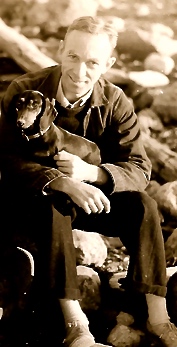
E. B. White holding his dachshund Minnie (Credit: Wikipedia).

I don’t think there was a religious bone in White’s body, but he and Sister Phyllis probably would have hit it off. She was all about taking care of pilgrims, and he wrote, “All that I hope to say in books, all that I ever hope to say, is that I love the world.” You can’t read one paragraph of E. B. White without recognizing that his world was human beings and animals. He was against whatever threatened either one.

In the last month I’ve heard stories that worry me. Andy, as White’s friends called him, would bristle. And I’m not sure, but Phyllis might have just shaken her head and returned to praying for retreatants.

–A December 14, 2014, New York Times article by Claire Cain Miller opens with a troubling trinity: “A machine that administers sedatives recently began treating patients at a Seattle hospital. At a Silicon Valley hotel, a bellhop robot delivers items to people’s rooms. Last spring, a software algorithm wrote a breaking news article about an earthquake that The Los Angeles Times published.” If somebody is going to sedate me, I want to look ‘em in the eye. And some of my friends are print journalists, a profession already in decline. I’m not sure what an algorithm is, but it’s a scab compared to Jennie, Gerry, and Erica.  

Vince_Plover,_working_as_a_bell_boy_at_Lennon's_Hotel,_Brisbane

A robot or young bellhop Vince Plover? I prefer the kid, even if I have to tip him. (Credit: Wikimedia Commons)

–Also from Miller’s article: “Ad sales agents and pilots are two jobs that the Bureau of Labor Statistics projects will decline in number over the next decade. Flying a plane is largely automated today and will become more so.” As a jittery flyer, I don’t want my plane piloted entirely by computers. They fail without warning, constantly leave the backdoor unlocked, and refuse to accept reason.

–NPR ran a story about computer chips being implanted in grape vines. This technology can take the guesswork—or artistry, depending on your point of view—out of watering and harvesting. When a commentator claimed that the chips’ grapes made better wine than the winemaker’s, I thought of poor Paul Bunyan being surpassed by a chainsaw.

unnamed

Cabernet Sauvignon at the Coleman dining room table: I would love to meet the winemaker.

–A couple of weeks ago NPR’s Marketplace reported on the sale of PetSmart to a private-equity firm. Amidst the chatter somebody commented that Walmart-type stores cut into PetSmart’s business by carrying lots of pet supplies. At once my White-ian fears took hold. How long will it be before you can accommodate all of life’s needs at a single destination? Get your Airedale bathed and groomed while your SUV gets snow tires put on. Pick up General Tso’s chicken for supper. Have cataracts removed and touch base with your life coach. Yes, I’m being silly, but a voice in the ear of my heart warns me that herding every specialty under one roof managed by one entity could make transactions more uniform and less personal.

Maybe I’m wrong, but for fun I just Googled “shoe repair erie pennsylvania” and discovered that in my hometown proper, one shoe repair shop survives. The idea to check came when I saw that Dom Bruno’s Shoe Repair in Little Italy had closed. Ten years ago I took a pair of black wingtips to Dom, who resoled them for $45. Sounds like a lot, but those refreshed throwbacks remain my only pair of black dress shoes.

IMG_2920

“Where have all Dom Brunos gone, long time passing?” The thin, corner shoe repair shop that healed my wingtips.

IMG_2919

The only grainy evidence that Dom Bruno ever had a shop on Brown Avenue–a cardboard poster.

According to Google, M. A. Krug and Son is now my only option, unless I want to drive fifteen miles west to Nick’s Shoe Repair in Girard. My wingtips need attention, and I wish for a redundancy of shoe repair shops in Erie, Pennsylvania–and at least one mom-and-pop corner store in every neighborhood.

photo-24

Good and faithful servants: seams splitting in a few places, soles wearing, gnarly inserts

On the way to Sister Phyllis’ viewing, I made a sad discovery. Unless somebody is tending shoes beneath an inconspicuous shingle, Erie, home of around 200,000 feet, is bereft of cobblers.

IMG_2905

Google is wrong. Mr. Krug no longer repairs shoes. Stereo equipment, old albums, and silly signs now fill his shop.

IMG_2906

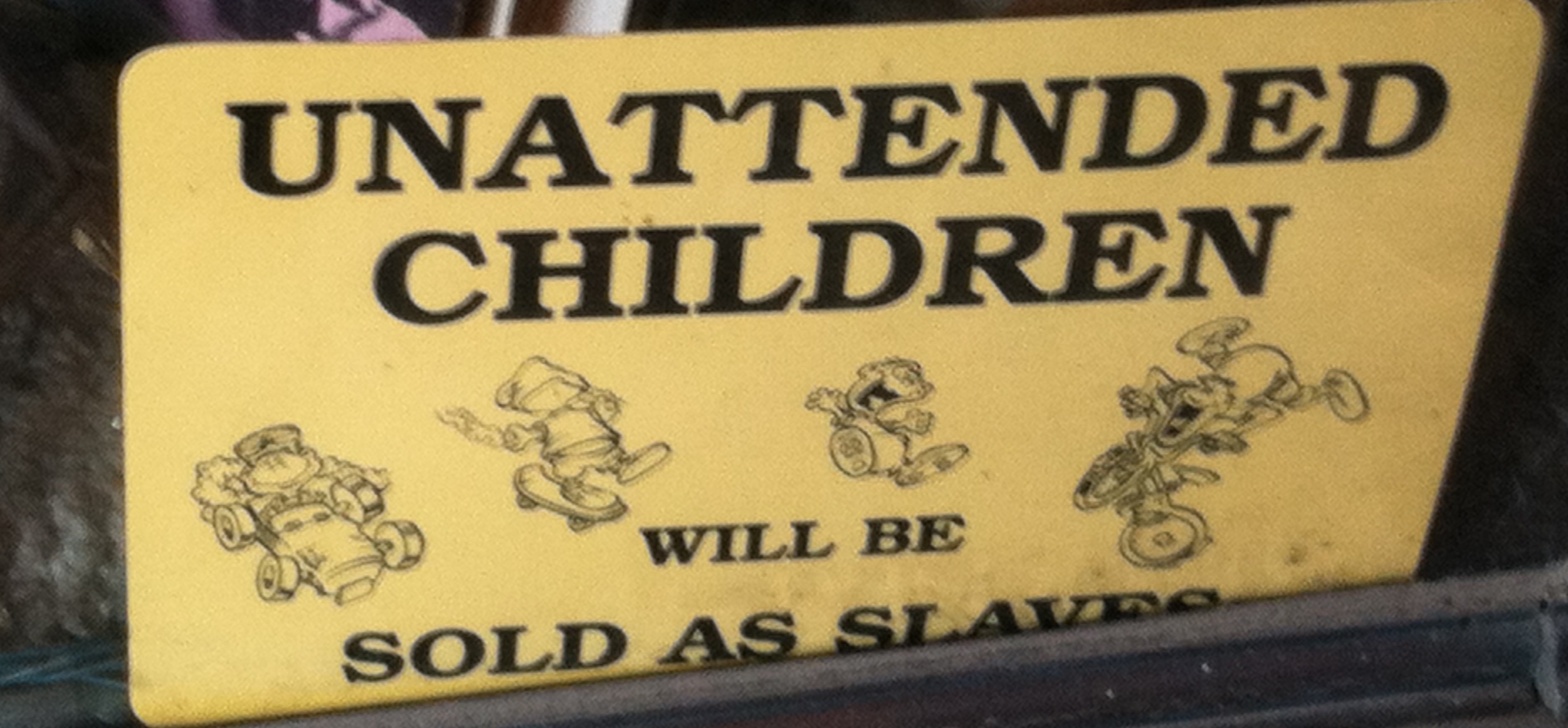
Posted by the entrance: Mr. Krug had a gruff sense of humor?

IMG_2910

Across Peach Street from Krug’s place, another dead shoe repair shop. Seriously?

IMG_2914

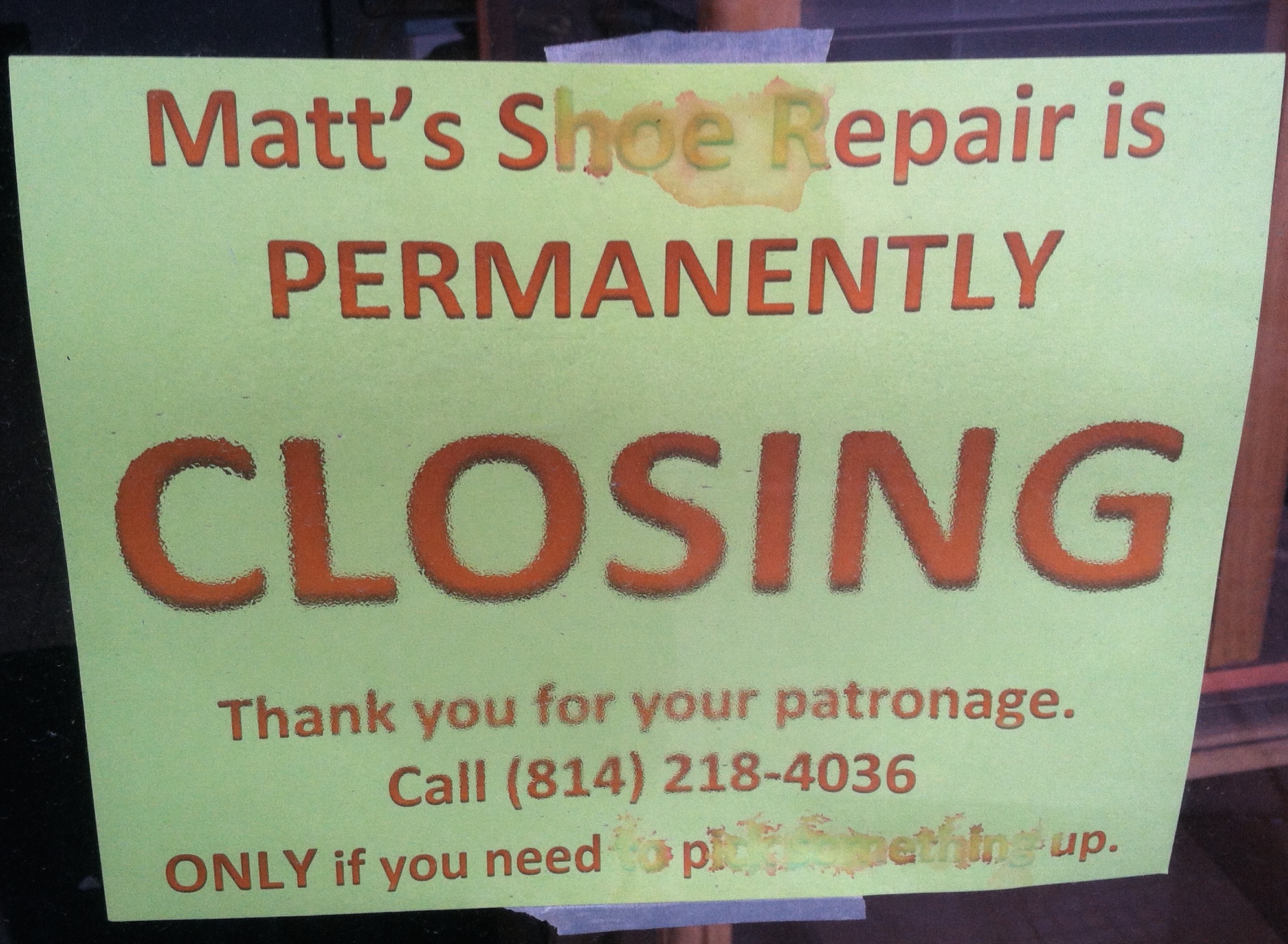
How long had the business been closed? Long enough for ink to run.

IMG_2917

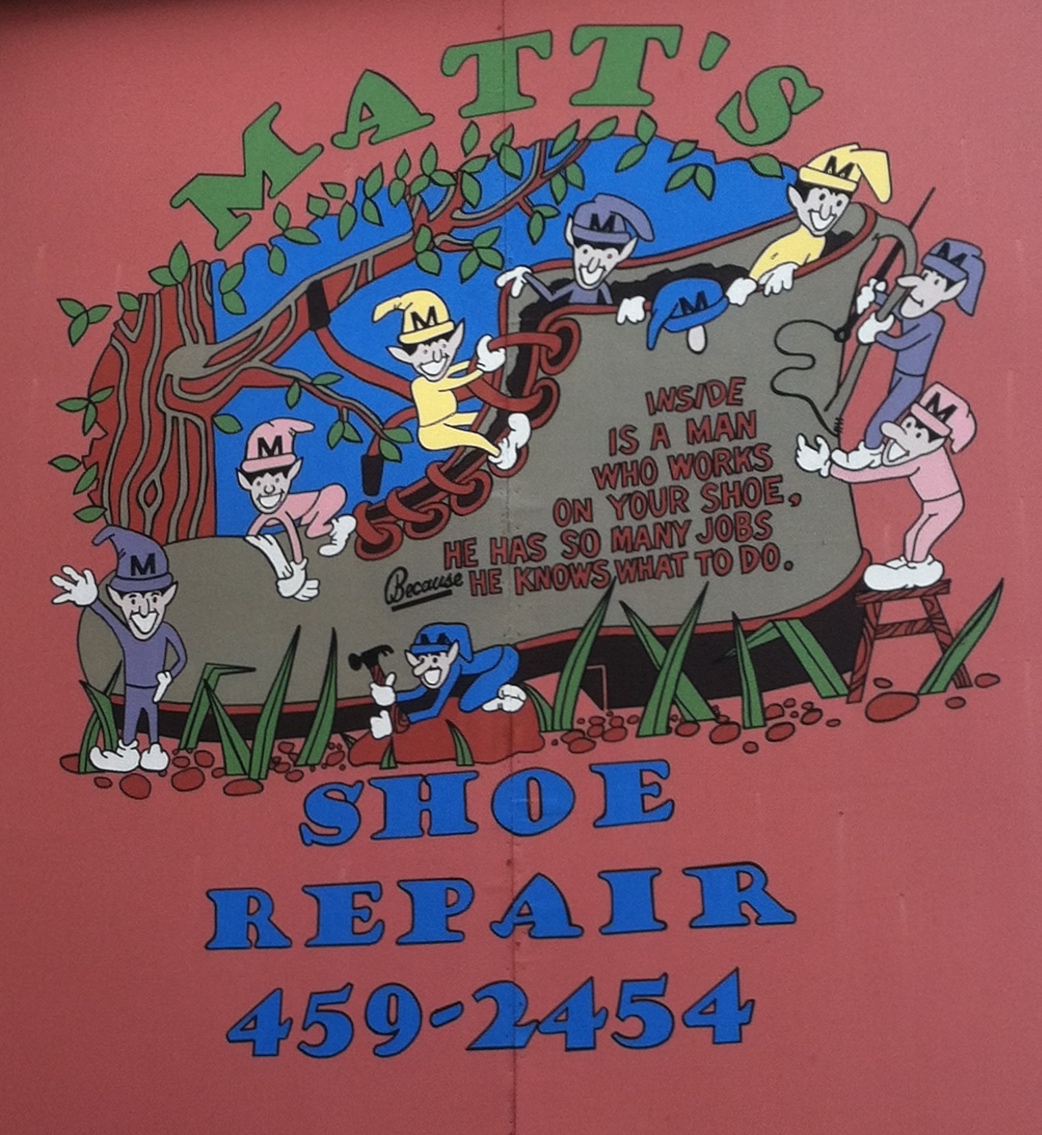
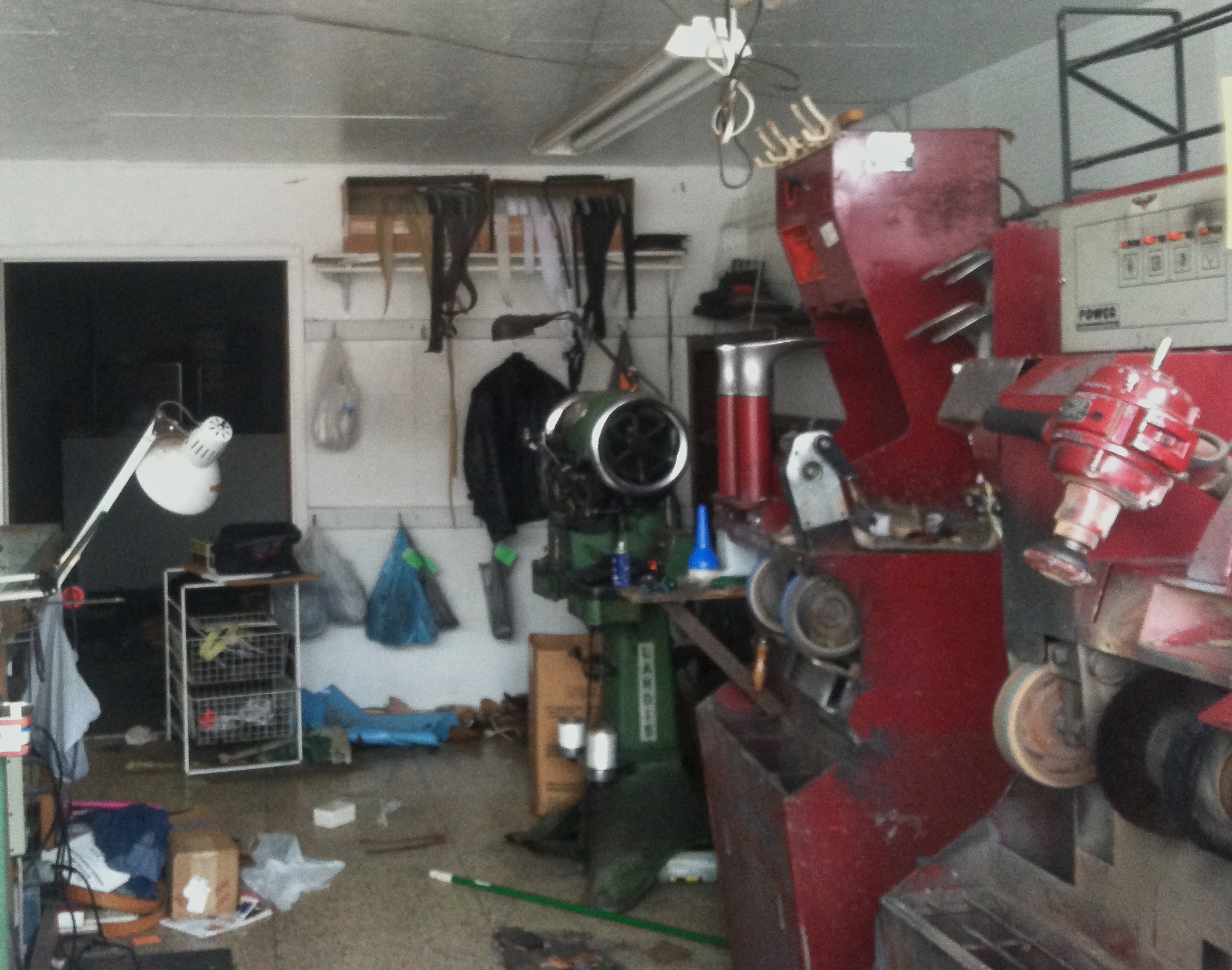
Matt’s machinery sleeps behind dusty windows. Goodbye to a vocation.

Actually, I’m not all that bugged about my wingtips being S.O.L. I’ll get a new pair. The trouble is, I’ve lost track of Dom Bruno, and it might have been nice to meet Mr. Krug and ask which kin started the shop in 1895. And anybody who makes a sign like Matt’s is bound to be good for a laugh or two.

Bottom line: the world’s best hope for health and gladness isn’t the robot, but the bellhop. There’s no way the former can look into a stranger’s eyes and recognize that a special word of kindness is needed. The latter not only carries luggage, but can also lighten a burden.

I might not be able to tell which wine was made by person or machine or which news story was written by an algorithm or a friend, but none of that matters. I want to be a Sister Phyllis receiving flawed, unpredictable, expensive human guests into the safety of my presence. I want to be an Andy White, betting my money and heart on women and men creating and mending the world over and over, messing up and starting again.

IMG_2698

Sanity: a nap in a monastery room as Sister Phyllis prays for you

When I reached the Mount and looked down at Phyllis, I was sobered. She didn’t look herself at all. Her face was oddly tanned, her hair flattened. But I’ve seen enough dear ones in coffins to give an interior shrug.

Before long Prioress Anne Wambach said hello and took my hand. At once I understood that my reason for paying respects to Phyllis wasn’t to honor the dead, but to receive life. Our conversation took less than a minute. I don’t remember what I said, but the idea was that Phyllis made me feel welcome. Clearly, Anne had heard this dozens of times already. She told me that Phyllis had done well until the end: a couple of falls, morphine, and confusion. Death came within a week.

IMG_1923

No Benedictine is forgotten. Every single sister matters.

Phyllis hadn’t suffered long; this gave me comfort. Anne took my hand and looked into my eyes; this gave me not only comfort, but a truth to live by. No software can estimate the value of a handshake or predict what healing and wisdom can result when two persons look into each others’ eyes.

Thanks, Anne. Thanks, Phyllis and Andy. I have my personal orders within the world order. I’m bound to mess it up, but I’ll try: take strangers by the hand, John, and see the Great Mystery in their eyes.


World News: A Napper’s Companion Christmas Letter

Dear Loved Ones:

Here’s a bulletin! Over the last few years I’ve been discouraged about the state of the world. World: language doesn’t get much bigger. Solar system, galaxy, universe, and eternity all out rank world. In addition to a couple of newspapers and websites, my source for Earth’s latest information is ABC’s World News with David Muir. On the surface, this makes sense. If I want the most important updates available, why not depend on one of the big three television networks still broadcasting free of charge?

On the other hand, what makes the American Broadcast Company so wise? A few days ago after prayer-meditation, I beat Jesus, Mary, Joseph, the shepherds, and the magi to the stable in Bethlehem and had an epiphany, joyous and liberating. The various media have much to report, but they can’t cover everything. This one man’s Teletype constantly receives breaking news deserving of airtime and headlines. World News isn’t only the latest financial collapse, governmental absurdity, or breathtaking slaughter. It’s also unseen sacrifice, modest dreams fulfilled, or simple tenderness.

800px-Magi_(1)

I beat the rush ahead of the Magi and received my Epiphany. (Credit: Sant’Apollinare Nuovo in Ravenna, Italy; on Wikimedia Commons)

As sickly as things seem these days, grace is everywhere, and probably more abundant than evil. But because I consume so much distressing information, I’m conned into believing that humanity is circling the drain. How foolish! My personal sources have told glad tidings of great joy lately. With love and hope, then, I offer A Napper’s Companion Christmas Letter made up of stories not covered by the mainstream media.

IMG_2941

My buddy Ray put up a Christmas tree for his eighty-six-year-old mother, who stopped decorating after her husband died around twenty years ago. No media outlet picked up this story.

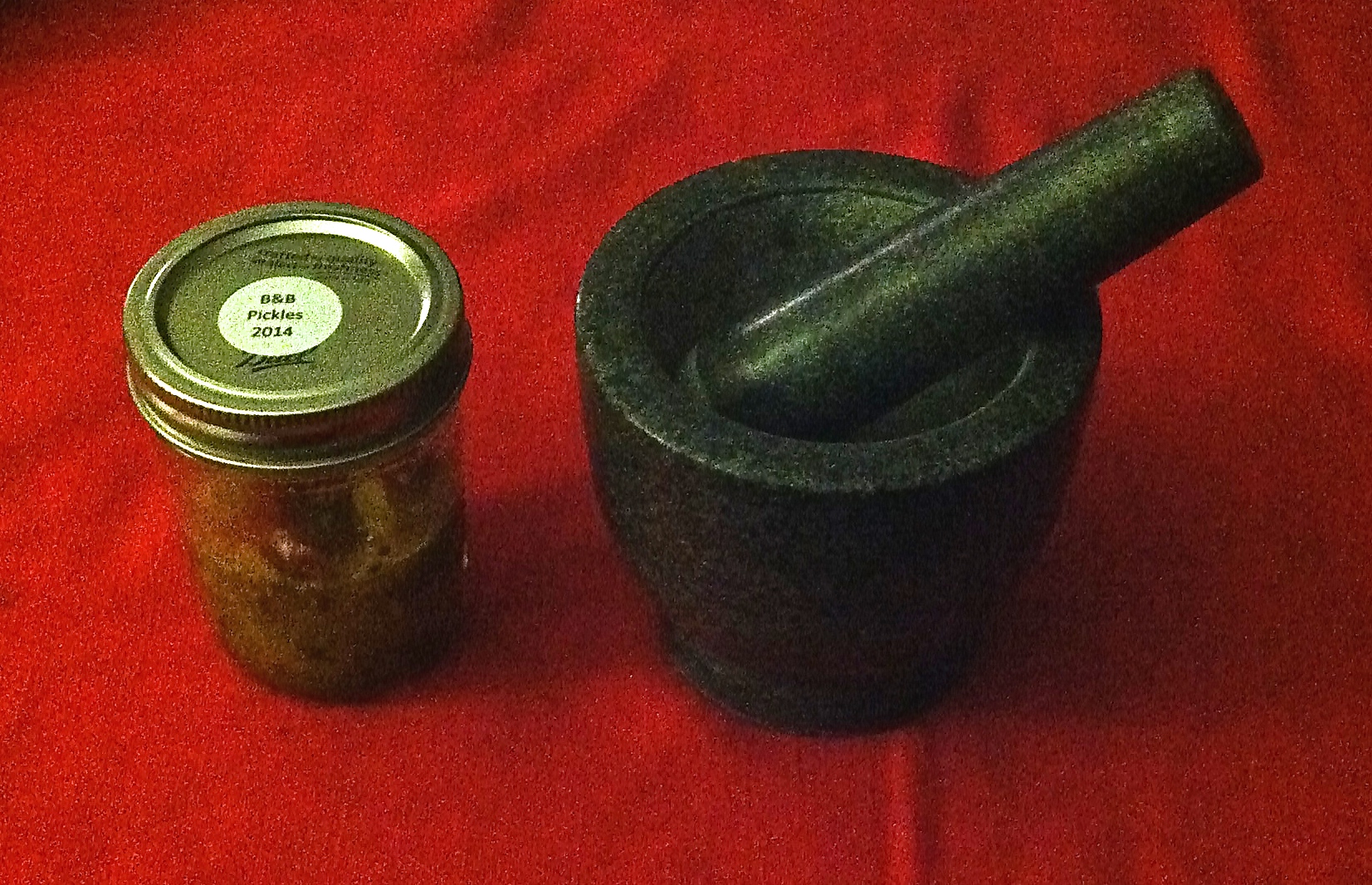
For Coleman family dinner, I was working so hard to perfect a chicken in a spirited mustard sauce that I neglected the corn chowder. I said to daughter Elena, “Hey, Len, would you mind trying to fix the chowder?” She hit it with nutmeg, salt, white pepper, a splash of hot sauce, and coriander ground with a new mortar and pestle from friend Mary. I contributed a stick of butter, and together we reached savory. Best of all, before we sat down to eat I hugged Elena and kissed her on top of the head. She said, “I love you, Daddy.”

In millions of kitchens, we help each other out with joy and speak of love. Snark and bicker visit, but I’ll wager overall we’re more kind than cranky.

photo-4

Elena, one of my favorite chefs, with her baby bump. Families everywhere embrace, coddle kiddos, and create masterpieces together. I now consider this reality “world news.”

At a party last week, I sipped wine in the kitchen with friends Karri and Joe and kibitzed. Two of their daughters sat off to the side talking. Lauren is about to graduate from college, and Emily is in high school. Rarely would I tell anybody to freeze for a picture, but I figured this one might win a Pulitzer. Yes, Virginia, siblings can get along and do better than that: they can take care of each other.

IMG_2923

Lauren and Emily . . . unposed. (My Pulitzer, please!)

I recently visited a severely ill man and his family. He sat on the couch with feet up on an ottoman. His wife patted his leg, spoke words of comfort, and kept his morphine ahead of pain and distress. The man’s brother wrote a prayer, which he asked me to read—no way he could get the words out. It was simple, humble, fervent. We sat in silence afterwards, passing around Kleenex.

“You’re a good man,” I said. “You know that right?”

A slight tear ran from the corner of his eye. “I’ve tried.”

We all put a hand on the man and entrusted him to God’s care. When I stood to leave, his wife said, “John, wait. He wants to give you a hug.”

For over thirteen years I’ve watched death. Driving away from this visit, I took an unexpected gift with me. What a loving, attentive end, as gentle as any I’ve been blessed to witness.

And I know that this day, in lands everywhere and all fifty states, the living hold the hands of the dying and whisper, “You can let go. We love you. We’ll be okay.”

800px-Partially_illuminated_Ac_with_shadows

Let go. (Credit: Simon Eugster on Wikimedia Commons)

I’ve received a couple of gifts lately that are particularly moving. Both made and bought, they remind me that people who celebrate Christmas are thinking of each other, finding a present that will be received like a kiss on the cheek and a moment’s cheer to the heart.

No doubt, Christmas is awfully commercial, but we’re trying, aren’t we? Most of us? We do want to bring joy. On the news you see Black Friday stampedes, but not the man standing alone in the store aisle, praying to find his beloved something pleasing.

IMG_2935

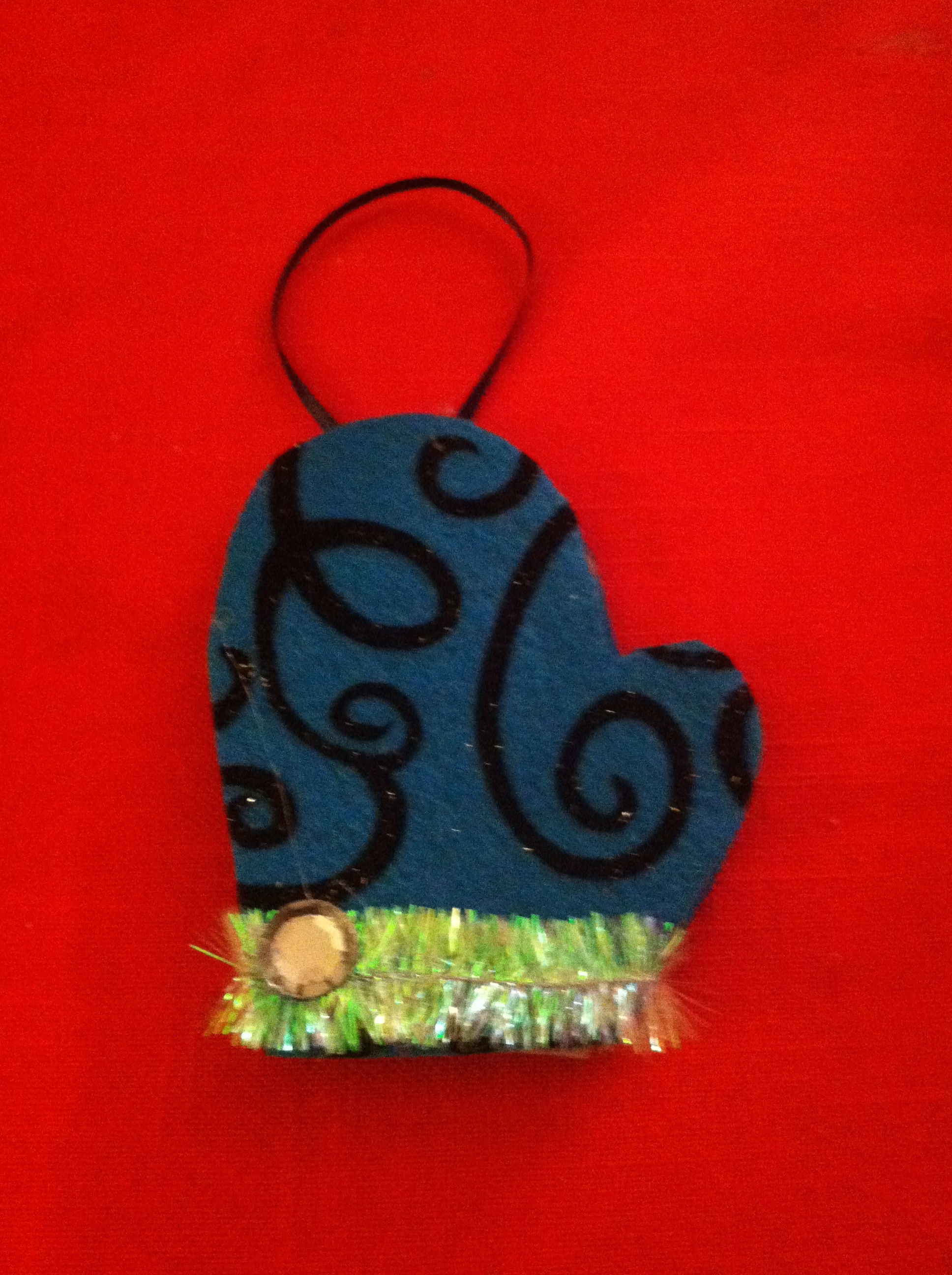
A handmade ornament–thanks, Barb!

IMG_2937

Bread and butter pickles and a mortar and pestle–thanks, Mary!

A young guy with low-slung jeans was waiting to cross the street as I drove up to the intersection. He started out, saw me, then held up. I motioned him on. At the curb he glanced back, smiled, and waved. I smiled back and shot him the peace sign.

Human by human, peace is sent out, received, and returned. I see it all around me.

800px-Iraqi_boys_giving_peace_sign

Iraqi boys giving the peace sign. Most of us human beings want peace, don’t we? (Credit: Wikimedia Commons)

I know an astute, witty, practical nine-year-old who still believes in Santa Claus. She leaves him a letter each Christmas Eve by the candy jar.

“What do you write him?” I asked.

“Things like ‘I hope you like bringing everybody presents.’”

Her father says, “She still believes in magic.”

I’m sure she is not alone.

Santa-eop2

I believe in Santa, too, especially if he looks a little like Robin Williams. (Credit:Jacob Windham on Wikimedia Commons)

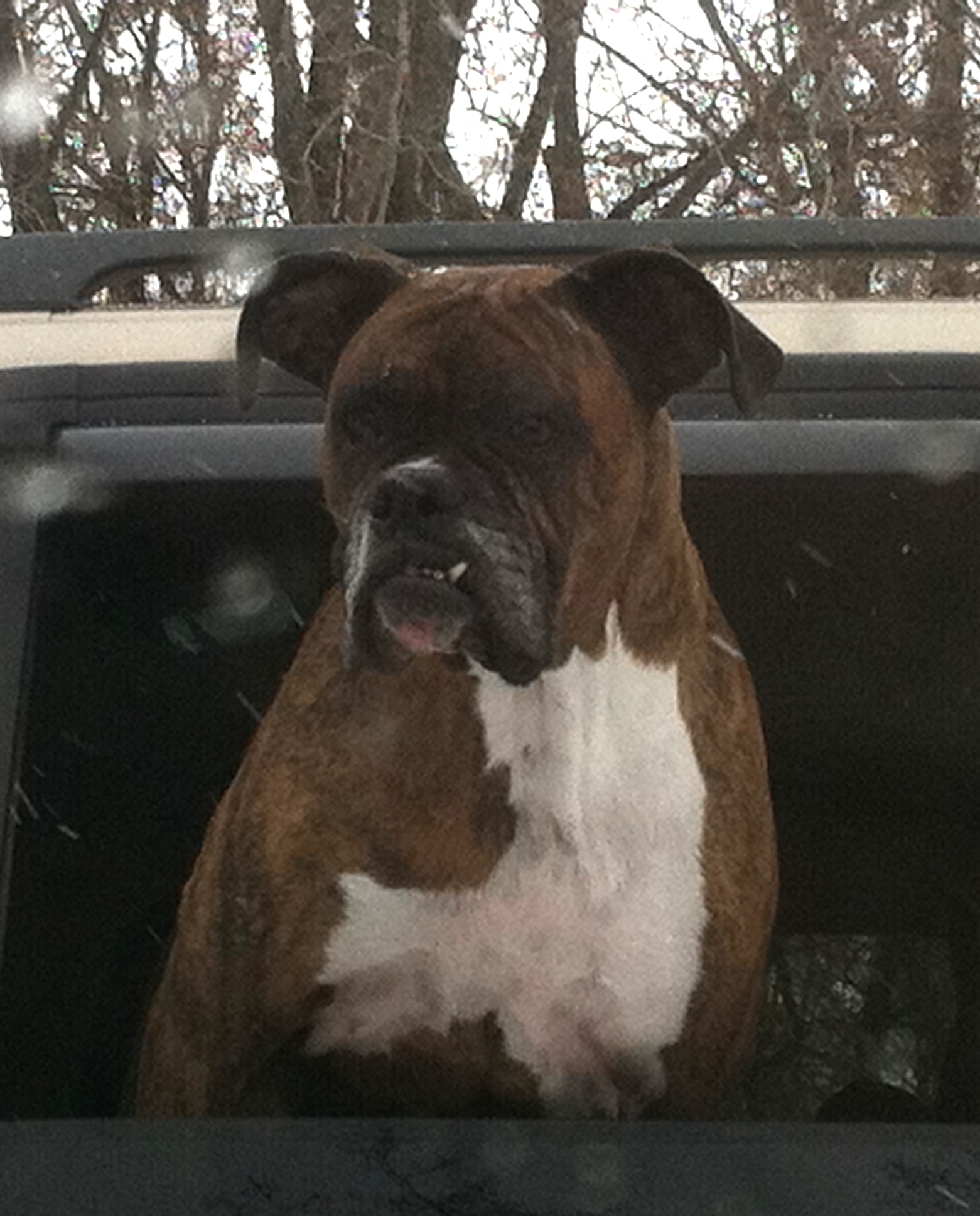
Starbucks friend John and I talk about our dogs. In decent weather he brings his boxer Harley and has coffee outside. John and I both aspire to live like a dog—in the moment, not self-absorbed, often overjoyed.

John loves Harley and shows it. Every once in a while I see a news story about horses starving in barns, but, you know, I bet most pet owners are like John. Most of us are this way, right? We make sure our dogs and cats have enough to eat and drink, gush over their eccentricities, and treat them like our children?

IMG_2580

Starbucks friend John and his guru Harley

I know I love my dog. This morning old gimpy Watson hopped up on the bed with me as I was getting propped up for prayer-meditation. I’m not sure how much longer he’ll be with us. Like our two cats, Watson came to us as a stray. A clumsy soul, he tore both ACLs years ago. We fixed one, but couldn’t afford surgery for the other. He has fatty tumors on his flank, one the size of a tennis ball. We chase pills down his throat with treats. (I bet lots of you have stories just like this one.)

IMG_1180

Not my dog or John’s. A random pooch with an endearing fang I photographed at Presque Isle in Pennsylvania. Certainly the apple of some dog owner’s eye.

I set my Zen bell for twenty minutes, unpropped myself, lay down, and rested my face on Watson’s side. “I love you, buddy,” I said. He huffed and made the old mutt smacking sounds with his mouth I’ve come to love. “I’m glad you stopped by.” I rubbed his soft ear between my fingers. “You’re a good old pal.”

IMG_0017

My favorite picture of my old buddy, Watson. Do you have a buddy, too?

The world news tells us our home is in peril, with all of its explosions and arguments. This Christmas, sisters and brothers, I claim for us another world, one I recognize every way I turn. Join me. Everywhere I see souls unable to contain their love and sacred wishes.

Love,

John

A Soul Message to My Regulars

Dear Regulars:

Europe_orthographic_Caucasus_Urals_boundary.svg

Elena’s old teacher notes that some students can’t find Europe on a map. You never know what the Starbucks regulars will kibitz about. (Credit: Wikipedia)

So what else would I be doing at 8:21 on a Monday morning? I’m at Starbucks, surrounded by regulars: a couple of lawyers dressed for court; a retiree who by coincidence was daughter Elena’s social studies teacher; a young artist who sketches fairies and dragons and buzzes half her skull down to stubble; an engineer numbed by an online meeting; and a woman who pours out her life for children and grandchildren. I’ve talked to all of them, some more than others. They feel like beloved cousins. Such goodness in these folks.

All tables are taken. The guy in my seat tries to pull the reigns on aging and negotiates with a temporarily bum shoulder. “Shoveling snow really did this to you? Do you need three ibuprofen or four?” “Make it four.”

As I sip a refill, the sun shines, then hides, then shines again. Breathing in and out, I think of you, whenever and wherever we inhabited each others’ days:

childhood

high school

college

graduate schools

seminary

old neighborhoods

and

jobs

grocery stores

coffee houses no longer

offices and waiting rooms

220px-Gilman_Hall,_Johns_Hopkins_University,_Baltimore,_MD

Gilman Hall at Johns Hopkins: it’s been thirty years. Herb and Rosemary, hi! Armand and Lynda, I’ll see you on the other side, right? (Credit: Wikipedia)

You aren’t showing up all at once. No, I receive you one-by-one, gratefully. Caroline. Bill. Jeff. Nancy. A procession of Garys. Because I know others by your names, namesakes straggle in. Welcome, everyone.

Hello, Becky, sister of Steven from Diehl Elementary School. (She had her leg amputated below the knee, then later—I don’t remember how long—she died, ten or twelve. Cancer.) Look into the eyes of glory, Becky. Belly laugh with the other children.

You don’t have to walk among the quick to be one of my regulars.

220px-Hyacinth_-_Anglesey_Abbey

Hyacinths always remind me of you, Gram–the curls of your wig.

Grandma Miller, your fingers are folded back into knuckled wings! I see your hair curled like hyacinths and your swollen face, but I can’t hear your voice anymore. I was sixteen. If it is permitted, Gram, please be there to receive me.

Hi, Alice, a wealth of Johns (that sounds wrong in a couple of ways), an embarrassment of Marys, more Kathys than I know what to do with. Matthews and Marks.

Now a tangible Patty shows up to share my table. That’s fine. She brings other Ps with her. Pauls, Pegs, Phils, one Penelope, and a lone Poopsie.

So many Richards and Elizabeths!

200px-Anne_Frank

Why have you arrived here, Anne Frank? No matter. All kids’ faces are sweet in my eyes. All are welcome. (Credit: Wikimedia)

What’s this? Jesse? I never knew you, but here you are, a sweet obituary face. Those who love you still dream you in their arms–your dear smile alone tells me this. I wasn’t expecting to welcome strangers to this gathering, but my plans seldom work out. So come in, Jesse. Stand glad with me in this warm light. Thich Nhat Hanh, wake up and bow to me. I’m listening. Rise, Ann Frank. Find your way home, Nigerian school girls. All of you, join Patty and me at this table.

Oh, my Lord, friends I’ve never seen or held are asking to join me in this public grace–names beginning with S, N, R, D, K, C, M. The alphabet isn’t long enough, though, miraculously, there’s room at this table, in this column of sun, for all of you, my regulars of many initials.

I don’t want to pretend. During these coffees in this now constant light, you haven’t all arrived. But wherever you are, I’m waiting. If mornings and afternoons are bitter and twilight is fretful, I’ll sit with you in safety. And if you have too many blessings to carry, hand me a few. We’ll give thanks together and I’ll share what you’ve given with others and probably hang on to one for myself.

I love you, friends. Your faces—skin creased by decades or still fair, eyebrows raised in surprise, or cheeks flushed with excitement or trouble—are dear to me.

Photo on 10-10-14 at 10.02 AM

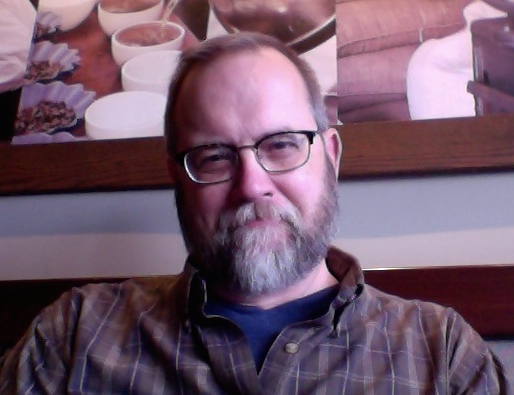
This face, such as it is, welcomes you. Come share the light, rest a while.

If you haven’t visited today, don’t worry. You will soon. Meanwhile, know that whether this day is good enough to travel by its own steam or so lousy it refuses to budge, call on me for a visit. The shoulder pain has eased enough for me to put an arm around you.

We’ll be calm and glad. If clouds take over, so be it. Present to each other–just two or three gathered–we can shine anyway.

Peace and love,

John
Thanksgiving Letter to My Late Mother

Dear Mom:

November 8, 2014: your Christmas cactus is in full bloom. It may be my imagination, but every year the blossoms seem to show up a little earlier. We could now call your beloved old plant a Halloween cactus. How many holidays will pass before the pink flowers open up at Easter?

IMG_1190

Your matriarch of Christmas cacti

You know, Mom, you’ve been gone sixteen years, and I always figured that the older I got, the less I would miss you. Actually, the opposite seems to be true. The heaviness in my throat in this moment is greater than when I wrote you last year. The reason is your great-grandson Cole. I imagine the deep gladness you would know in holding him, talking to him as I do, sitting quietly as the minutes pass, watching him in ceaseless motion. You would say the same thing as we do: “He’s so busy.”

10665803_761152390621618_7552667270178936418_n

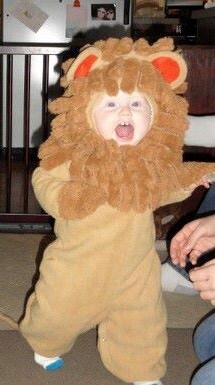
Your busy great-grandson in his Halloween costume–grrrr!

Most Sundays we have family dinner, Mom. I’m not sure why as your son I didn’t insist on this practice years ago, but I didn’t. I’m sorry. People who say that they have no regrets in life probably aren’t looking closely enough. Anyway, after we finished eating, Cole got fussy. Had you been there and not been burdened with arthritis, you would have picked him up and walked around the house, talking to him. I can see you telling your great-grandson about this and that. The decades glow and soften in my mind: there you are, my late mother holding my beloved grandson. It’s nice to see you.

But since you aren’t here—not really—and weren’t there after dinner to occupy Cole, I did. Our first stop was your Christmas cactus. I told him a little about the plant, but before I knew it I was telling him about you. Of course, I said you would love him like crazy and other things you would expect. But as he looked on momentary peace at your plant, I told him that when his mother was a toddler, you peeled grapes for her. Peeling grapes: that’s love. “Your great-grandma would do the same for you,” I said, imagining you putting bits of the pulp into his mouth.

IMG_2789

Was Cole looking at that glow in the center, Mom, the light of forever?

Next stop: the photograph of you in your wedding dress. “My gosh, Cole,” I said, “look at how beautiful your Great-Grandma Coleman was.” I was focused on you and Cole, but was also aware of somebody looking over my shoulder and saying, “Oh, yeah! She was beautiful.”

IMG_2795

You are younger here, Mom, than both of my children are now. It’s hard to make the years stay in the right order.

Tours with tired babies last only so long, so that was about it. Elena, Matt, and Cole packed up and headed home. Tomorrow being Sunday, we’ll go through the same ritual, and most likely I’ll use the spatula from home. No kidding, Mom, every time I pick it up, I remember you. Maybe I’ll show Cole, tell him it was yours.

IMG_2797

Still my favorite spatula

I wish you could be with us. We would sit at the dining room table and look at pictures. This afternoon I was missing you, so I went upstairs and pulled out some albums. Time passed. Two photographs held me up a while: one of Elena and one of Micah. I could see Cole in both of them.

IMG_2803

That’s Elena, Mom. I caught her, promise. That’s also Cole’s face.

IMG_2801

Here’s Micah, Mom, foreshadowing his nephew’s two front teeth and swagger.

I said before you were beautiful, but I’ve become suspicious of time, reluctant to accept its authority over us, covetous of eternity. More must await us beyond this lovely, troubled land, where early we toddle on fair-skinned, sausage legs and late travel tentatively, afraid of the fall that might crack our aching bones. There must be more because you deserve to hold this child, to kiss his promise of red hair—however this can happen in the Eternal Calm and Splendor.

IMG_2799

Kathy used to raise monarchs, Mom, and Elena used to wear them. Wish you could have seen.

So, Mom, I’ll correct myself: you are beautiful. I don’t visit your grave often, with its pound or two of ash and bone the required number of feet below. Better: I exchange this earthly chronology for one I compose myself. I close my eyes. Now, you pass your hands over my children’s cheeks as you did decades ago and speak to them gently. Cole sits on your lap. You bounce him and lean forward to look at his round face. Like the rest of us, you get lost there.

10641212_759719550764902_2925033126610744009_n

Cole on pumpkin carving day. We would have rinsed him off and handed him to you.

As you and I sit together, I hold your hand, still the softest I’ve ever known. Since this is my time, your knuckles and joints don’t blossom with arthritis—no pain. I’m looking at your skin and veins, Mom, and kissing your hand. Your eyes are closed. You hear me say, “You live.”

Love,

John