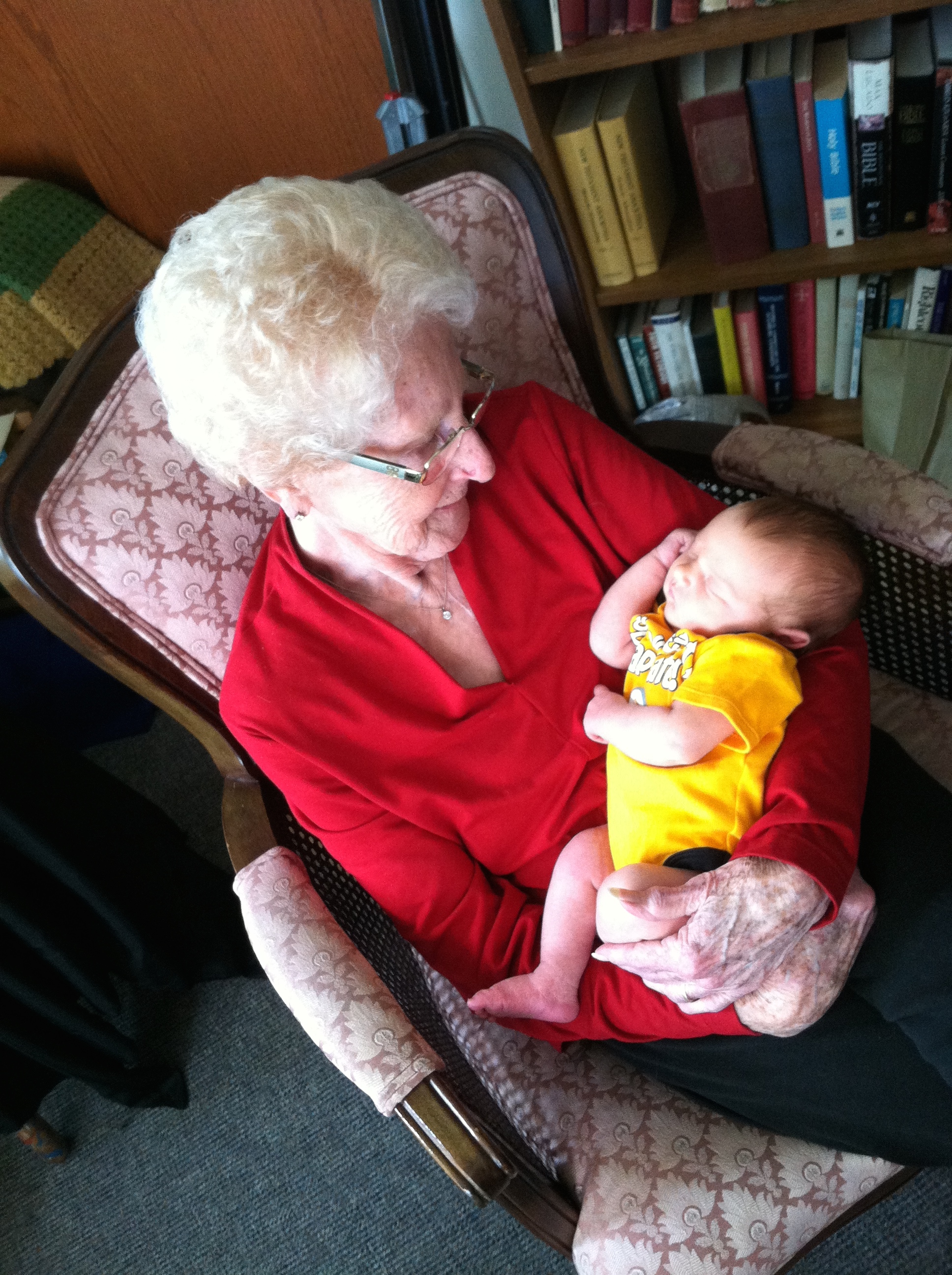
Burying Aunt Sue

I buried Aunt Sue yesterday morning. That’s what some pastors call funerals. We bury the dead, speaking the word with reverence.

It was ashes a dozen or so family and friends commended to the earth. Since Aunt Sue died in February, all had grieved for a couple of months, maybe spent their quota of tears.

I loved my aunt, but her passing hasn’t crushed me—the sad result of extended families drifting apart. I saw her once or twice a year. She was cheerful, loved china painting, made elegant sea-foam, and traveled a lot in her later years. A few loved ones shared such memories, and I tossed in a couple of my own: her twittering laugh and her faithful attention to my dad during his decline, punished by dementia. She never quite understood that a person whose brain has gone to pieces can’t read a book or assemble puzzles or in any other way snap out of it. But she was present to her brother in the best way she knew how, which is all any of us can do.

IMG_3292

When I buried Dad a few years ago, Aunt Sue stayed in the car. She couldn’t bear his passing.

An hour before the graveside service, images of poor, confused Dad went through my head, and I remembered something he said a few months before his death in January of 2012. His words were confused, but poetic.

At that time Dad and his wife Mary were in different care facilities, both having lost not only each other, but themselves. I arranged to take Dad from Independence Court (great facility, absurdly named) to Mary at Pleasant Ridge (well, that’s half right), hoping that seeing each other might bring them joy. When I wheeled him into her room, they were joyful, indeed: a kiss, a hug; then he took her hand as if he had found a fragile treasure and held it to his lips. “Come on, let’s get out of here,” he said, the old Dad surfacing for an instant, eyes narrowing into his old enough-of-this-bullshit expression.

“Oh, Dad,” I thought. Mary was mostly bedridden, her legs dead weight. But, of course, who doesn’t want to close his length of days at home, with his beloved? Does the longing for the warmth of familiar skin ever die?

During one visit to Dad, he thought I was his brother—he didn’t have a brother. He confided that he planned to ask Mary to be his wife, but was worried she wouldn’t say yes. He couldn’t remember her name.

“Mary,” I said.

“Yes, Mary.” He wiped away tears. “She’s my favorite.” They had been married for over thirty-five years.

When dementia or Alzheimer’s had stolen everything else, it granted Dad the slight mercy of leaving Mary’s face. When he said “let’s get out of here,” I imagine he just wanted to be close to his favorite.

IMG_3293

A view of Lake Erie that Dad and, eventually, Mary will share–sad they won’t see it.

Mary was silent, lucid enough in the moment to know that they had no place to go, no muscles or wit to get them anywhere.

“Well, then, maybe we can get together . . . .” Dad paused, searching his atrophied vocabulary. “Maybe we can get together at the other post.

“If only we could step out onto a cloud,” Mary said, still holding Dad’s hand. “But that can’t be.”

Dad’s enough-bullshit face returned. “Why not?”

I don’t remember anything else about the visit, but Dad’s suggestion has played again and again in my memory: “Maybe we can get together at the other post.”

So an hour before giving Aunt Sue a good send off, Dad gave me the right words. When the time came to speak them, the nightmare of his last days stopped me. I barely managed Dad’s longing, his wish: “Maybe we can get together at the other post.”

Sometimes tears make the most honest eulogy. I remember my Grandma Miller, her body stooped and gnarled with arthritis; my sedated mother on her death-bed with her left hand, scarlet and impossibly swollen, reaching for my hand as I thanked her for being a good mother; my father, howling and clawing through his final hours.

Oh, for the hope of another post—where minds are restored, where pain rises like fog at dawn and burns off, where wounds are healed, injuries forgiven.

Then I hear Mary: “But that can’t be.”

My lips purse, eyes narrow: “Why not?”
IMG_3309

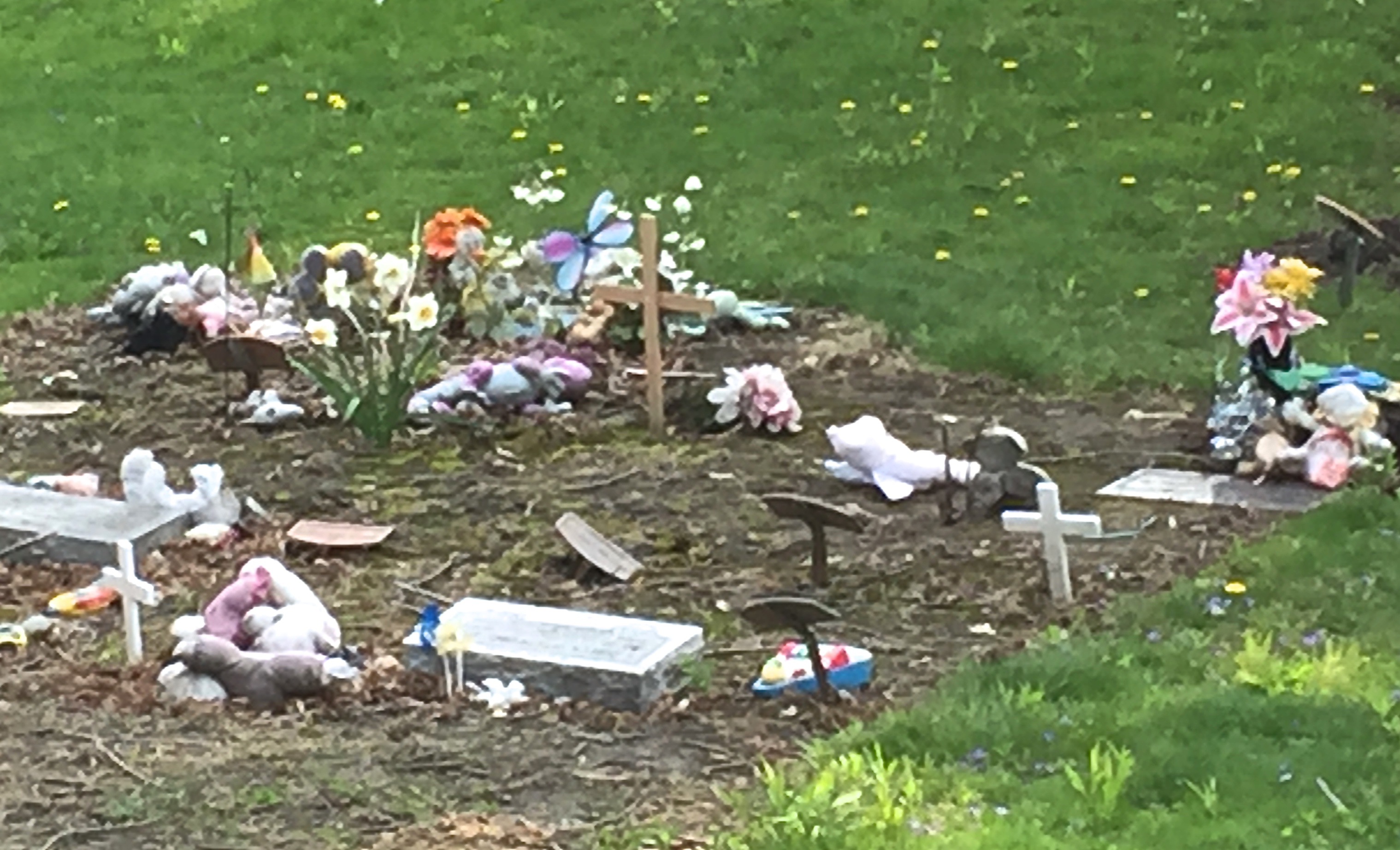
The closed children’s portion of Lakeside Cemetery, where Dad and his sisters, mother, and father are buried: soaked Teddy Bears and plastic flowers.

This morning I ached for the other post and knew that nothing but sitting still and silent with God would help, so I drove to Presque Isle and watched waves catch the sun. Honest-to-goodness shafts of heavenly light split iron-gray clouds and warmed Erie, Pennsylvania, across the bay. I had planned on burying my aunt yesterday. I hadn’t expected to bury my father again.
IMG_3295

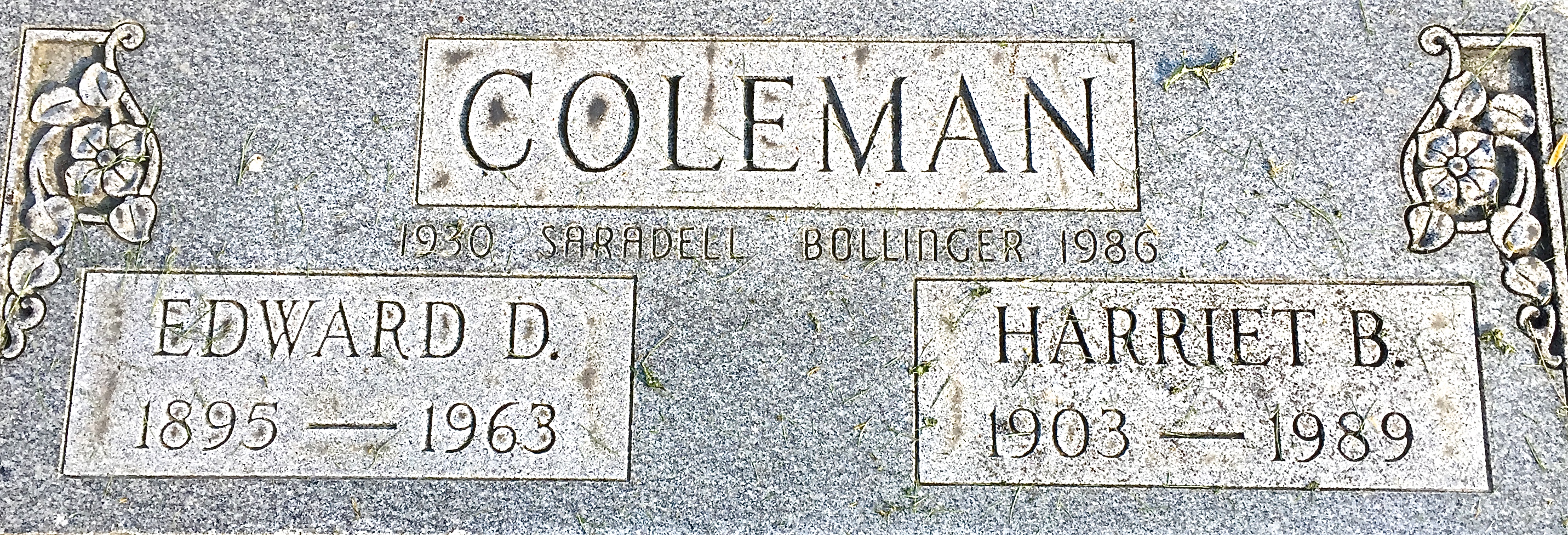
Aunt Sally’s (Saradell) resting place, a footnote on her parents’ gravestone. Her twin, Aunt Sue, will be somewhere nearby.

The weight of tears pressed from behind my eyes, but none came. Who knows why?

Eternal Love, prepare for us the other post. Gather us all there, our hurtful bullshit left behind. Our brains and bones wear out, so we return them to the earth. Give us what we need–only what we need–to know you at last.

I am crying now.

800px-Claude_Monet,_Le_Grand_Canal

Presque Isle Bay doesn’t shimmer like a Monet, but the waves are dear to my eyes. (Claude Monet, Grand Canal Venice, 1908. Credit: Wikipedia)

P. S. If you enjoyed this post, you might also like these (the first one is joyful, the other two not so much):

“A Letter to My Late Mother”:

https://anapperscompanion.com/2013/12/02/a-letter-to-my-late-mother/

“A Prayer for Philip Seymour Hoffman, Justin Bieber, and a Child in a Fire”:

https://anapperscompanion.com/2014/02/04/a-prayer-for-philip-seymour-hoffman-justin-bieber-and-a-child-in-a-fire/

“Viewing Dad’s Death Loop at Gethsemani”:

https://anapperscompanion.com/?s=Viewing+Dad%27s&submit=Search


A Man of Second Chances

The late Trappist monk Thomas Merton included the following confession in one of his famous prayers:

I have no idea where I am going. I do not see the road ahead of me. I cannot know for certain where it will end. Nor do I really know myself . . . .

IMG_0045

Optimism

Me, neither, especially the last part. If you want to know the truth about me, best ask somebody else. But one thing I have learned over the years is that I’m an optimist, occasionally to the point of foolishness. How I know this doesn’t matter. I just know.

At 6:20 this morning I woke up ahead of the alarm. This was a good waking, not the wretched sort when you would pay a $100 or sell one of your nostrils for just one more hour of sleep before heading off to work or chores. I was fresh, mulling over the fine possibilities on the horizon.

Before my twenty minutes of prayer, I listened to The Writer’s Almanac podcast, which concluded with a poem by Rita Dove entitled “Dawn Revisited.” The first lines had me:

Imagine you wake up

with a second chance

Heck, yeah! I believe in second chances, endless chances. (I would like to share the entire poem, but copyright blah blah blah.) The following made my soul’s lungs fill with new air:

The whole sky is yours

to write on, blown open

to a blank page. Come on,

shake a leg!

Preach it, Rita! Every once in a miraculous while, my spirit’s stirring converges with a friend’s innocent remark or an adagio or a poem. As soon as I finished pray-meditating, I actually wanted to “shake a leg,” and here a voice visited with encouragement: “Come on!”

The poet spoke about three hours ago, and I’m still rolling. Afternoon can be a slog because old wounds and griefs sometimes visit; breathing gets leaden. My past has strong hands, which it uses to grab my throat and back me up against a cinderblock wall. “Listen, little bitch,” the past says, “you’re not going anywhere.” It squeezes harder: “Just try to heal up and move on, punk!”

IMG_3032

Cold, bright day. A new blue page ready for words.

Sometimes, but not today. Sadly, I’m not a fighter, so I won’t be telling the old hurts to “go pound salt.” A story is told about Mahatma Gandhi being confronted by an angry man threatening violence against him. Gandhi embraced the man, who collapsed in tears. I’m no Gandhi, but this is my way. Today, if the past intrudes, I’ll kiss its lumpy head and say, “Not today. I’ll take care of you, but you’re not going to choke me.” In other words, I’ll breathe and keep shaking a leg.

Such mindfulness and discipline take a lot of energy. Still, the sun is bright, the sky is clear, and I have hope. Wednesday, February 25th is a second chance. Actually, I’ve lost count of what chance this day is. Above my desk at the church I have a drawing of a bald man sitting in meditation (in Desert Wisdom: Sayings from the Desert Fathers by Yushi Nomura). The caption in calligraphy goes,

Abba Poeman said about Abba Pior

that every single day he made a fresh beginning.

What luck! This morning must be my millionth chance, since I often start over a couple times during my waking hours. The present can be better than the past.

So, goodbye for now. I need to go write on the sky.

World News: A Napper’s Companion Christmas Letter

Dear Loved Ones:

Here’s a bulletin! Over the last few years I’ve been discouraged about the state of the world. World: language doesn’t get much bigger. Solar system, galaxy, universe, and eternity all out rank world. In addition to a couple of newspapers and websites, my source for Earth’s latest information is ABC’s World News with David Muir. On the surface, this makes sense. If I want the most important updates available, why not depend on one of the big three television networks still broadcasting free of charge?

On the other hand, what makes the American Broadcast Company so wise? A few days ago after prayer-meditation, I beat Jesus, Mary, Joseph, the shepherds, and the magi to the stable in Bethlehem and had an epiphany, joyous and liberating. The various media have much to report, but they can’t cover everything. This one man’s Teletype constantly receives breaking news deserving of airtime and headlines. World News isn’t only the latest financial collapse, governmental absurdity, or breathtaking slaughter. It’s also unseen sacrifice, modest dreams fulfilled, or simple tenderness.

800px-Magi_(1)

I beat the rush ahead of the Magi and received my Epiphany. (Credit: Sant’Apollinare Nuovo in Ravenna, Italy; on Wikimedia Commons)

As sickly as things seem these days, grace is everywhere, and probably more abundant than evil. But because I consume so much distressing information, I’m conned into believing that humanity is circling the drain. How foolish! My personal sources have told glad tidings of great joy lately. With love and hope, then, I offer A Napper’s Companion Christmas Letter made up of stories not covered by the mainstream media.

IMG_2941

My buddy Ray put up a Christmas tree for his eighty-six-year-old mother, who stopped decorating after her husband died around twenty years ago. No media outlet picked up this story.

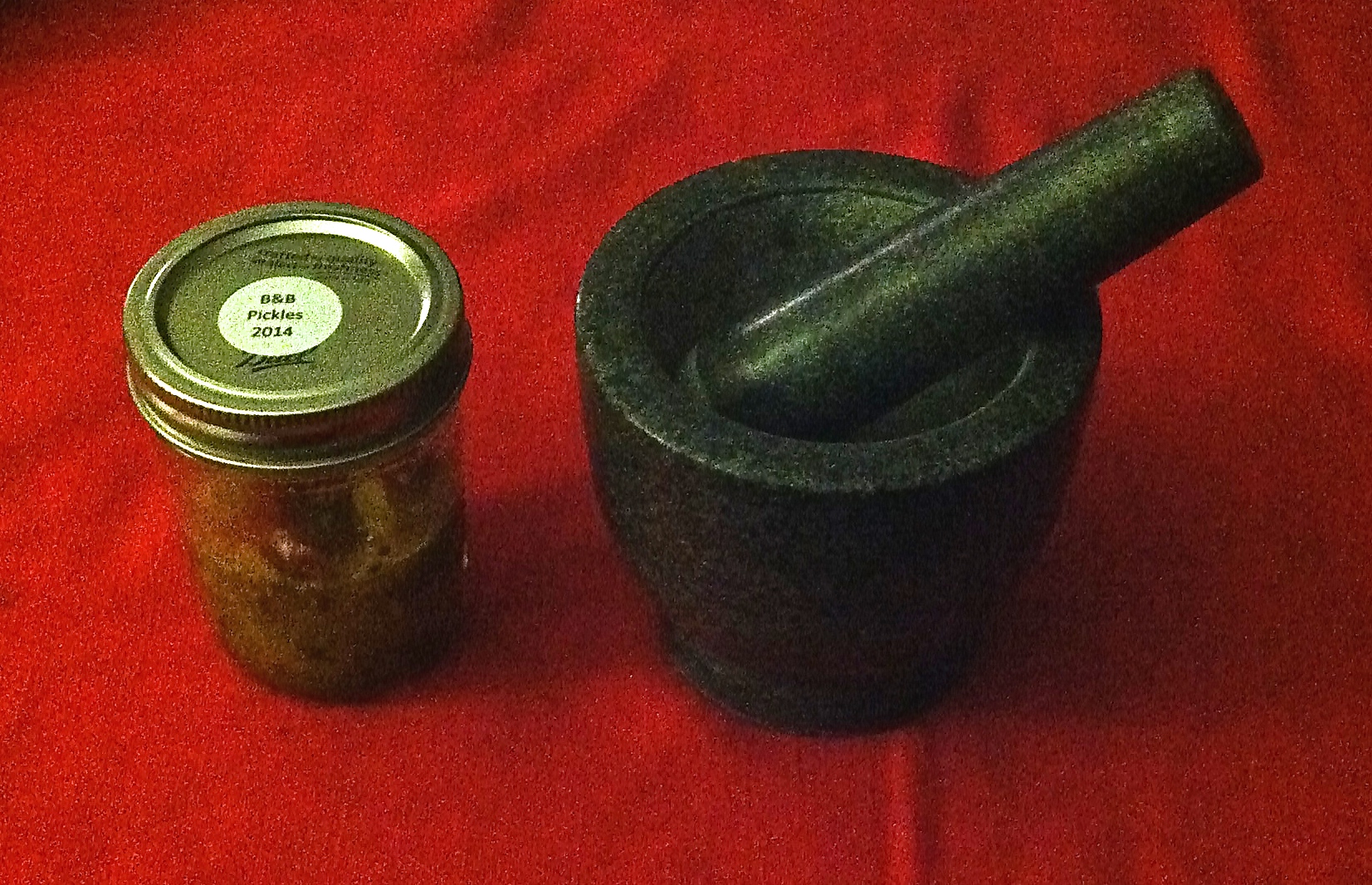
For Coleman family dinner, I was working so hard to perfect a chicken in a spirited mustard sauce that I neglected the corn chowder. I said to daughter Elena, “Hey, Len, would you mind trying to fix the chowder?” She hit it with nutmeg, salt, white pepper, a splash of hot sauce, and coriander ground with a new mortar and pestle from friend Mary. I contributed a stick of butter, and together we reached savory. Best of all, before we sat down to eat I hugged Elena and kissed her on top of the head. She said, “I love you, Daddy.”

In millions of kitchens, we help each other out with joy and speak of love. Snark and bicker visit, but I’ll wager overall we’re more kind than cranky.

photo-4

Elena, one of my favorite chefs, with her baby bump. Families everywhere embrace, coddle kiddos, and create masterpieces together. I now consider this reality “world news.”

At a party last week, I sipped wine in the kitchen with friends Karri and Joe and kibitzed. Two of their daughters sat off to the side talking. Lauren is about to graduate from college, and Emily is in high school. Rarely would I tell anybody to freeze for a picture, but I figured this one might win a Pulitzer. Yes, Virginia, siblings can get along and do better than that: they can take care of each other.

IMG_2923

Lauren and Emily . . . unposed. (My Pulitzer, please!)

I recently visited a severely ill man and his family. He sat on the couch with feet up on an ottoman. His wife patted his leg, spoke words of comfort, and kept his morphine ahead of pain and distress. The man’s brother wrote a prayer, which he asked me to read—no way he could get the words out. It was simple, humble, fervent. We sat in silence afterwards, passing around Kleenex.

“You’re a good man,” I said. “You know that right?”

A slight tear ran from the corner of his eye. “I’ve tried.”

We all put a hand on the man and entrusted him to God’s care. When I stood to leave, his wife said, “John, wait. He wants to give you a hug.”

For over thirteen years I’ve watched death. Driving away from this visit, I took an unexpected gift with me. What a loving, attentive end, as gentle as any I’ve been blessed to witness.

And I know that this day, in lands everywhere and all fifty states, the living hold the hands of the dying and whisper, “You can let go. We love you. We’ll be okay.”

800px-Partially_illuminated_Ac_with_shadows

Let go. (Credit: Simon Eugster on Wikimedia Commons)

I’ve received a couple of gifts lately that are particularly moving. Both made and bought, they remind me that people who celebrate Christmas are thinking of each other, finding a present that will be received like a kiss on the cheek and a moment’s cheer to the heart.

No doubt, Christmas is awfully commercial, but we’re trying, aren’t we? Most of us? We do want to bring joy. On the news you see Black Friday stampedes, but not the man standing alone in the store aisle, praying to find his beloved something pleasing.

IMG_2935

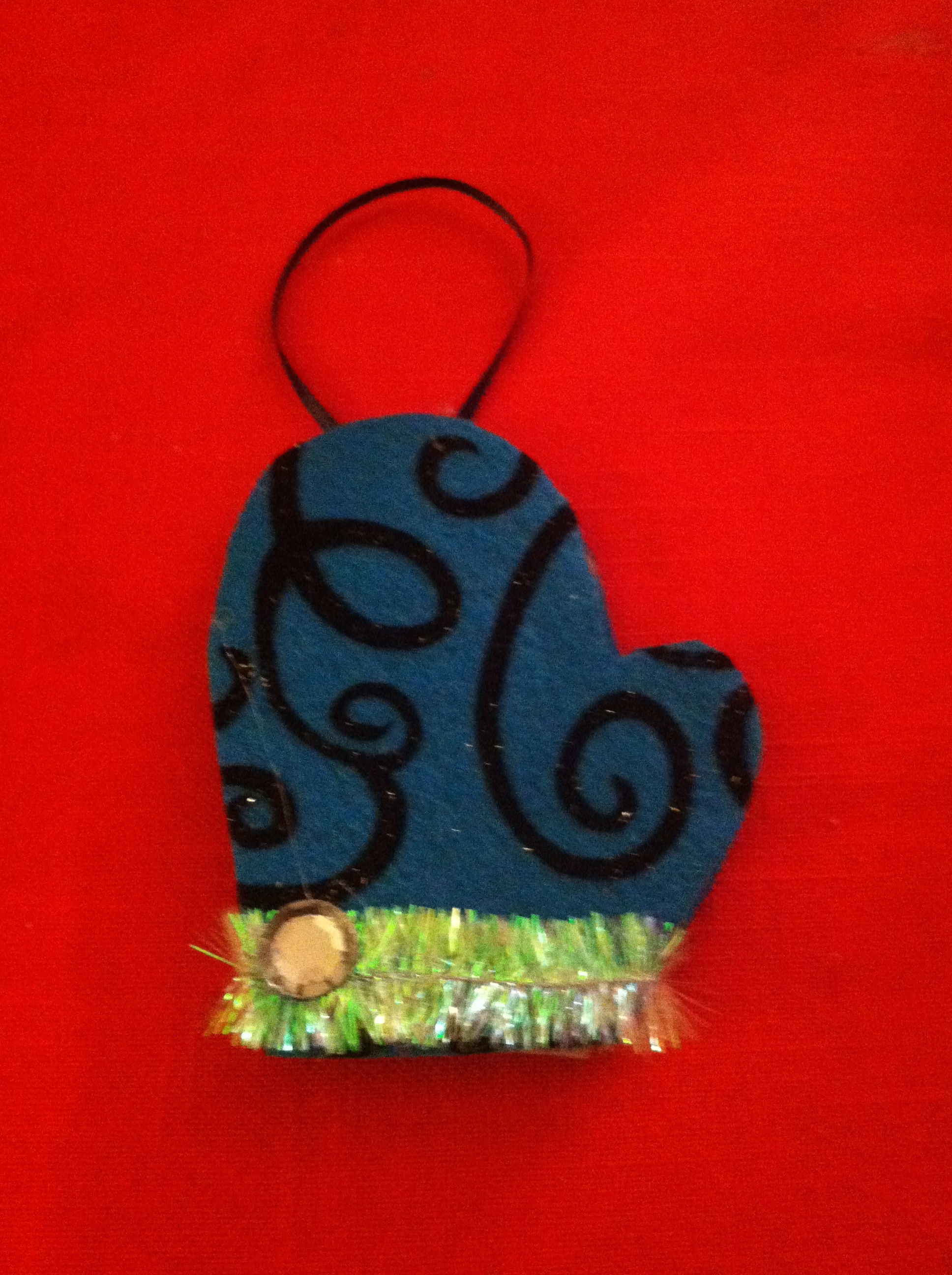
A handmade ornament–thanks, Barb!

IMG_2937

Bread and butter pickles and a mortar and pestle–thanks, Mary!

A young guy with low-slung jeans was waiting to cross the street as I drove up to the intersection. He started out, saw me, then held up. I motioned him on. At the curb he glanced back, smiled, and waved. I smiled back and shot him the peace sign.

Human by human, peace is sent out, received, and returned. I see it all around me.

800px-Iraqi_boys_giving_peace_sign

Iraqi boys giving the peace sign. Most of us human beings want peace, don’t we? (Credit: Wikimedia Commons)

I know an astute, witty, practical nine-year-old who still believes in Santa Claus. She leaves him a letter each Christmas Eve by the candy jar.

“What do you write him?” I asked.

“Things like ‘I hope you like bringing everybody presents.’”

Her father says, “She still believes in magic.”

I’m sure she is not alone.

Santa-eop2

I believe in Santa, too, especially if he looks a little like Robin Williams. (Credit:Jacob Windham on Wikimedia Commons)

Starbucks friend John and I talk about our dogs. In decent weather he brings his boxer Harley and has coffee outside. John and I both aspire to live like a dog—in the moment, not self-absorbed, often overjoyed.

John loves Harley and shows it. Every once in a while I see a news story about horses starving in barns, but, you know, I bet most pet owners are like John. Most of us are this way, right? We make sure our dogs and cats have enough to eat and drink, gush over their eccentricities, and treat them like our children?

IMG_2580

Starbucks friend John and his guru Harley

I know I love my dog. This morning old gimpy Watson hopped up on the bed with me as I was getting propped up for prayer-meditation. I’m not sure how much longer he’ll be with us. Like our two cats, Watson came to us as a stray. A clumsy soul, he tore both ACLs years ago. We fixed one, but couldn’t afford surgery for the other. He has fatty tumors on his flank, one the size of a tennis ball. We chase pills down his throat with treats. (I bet lots of you have stories just like this one.)

IMG_1180

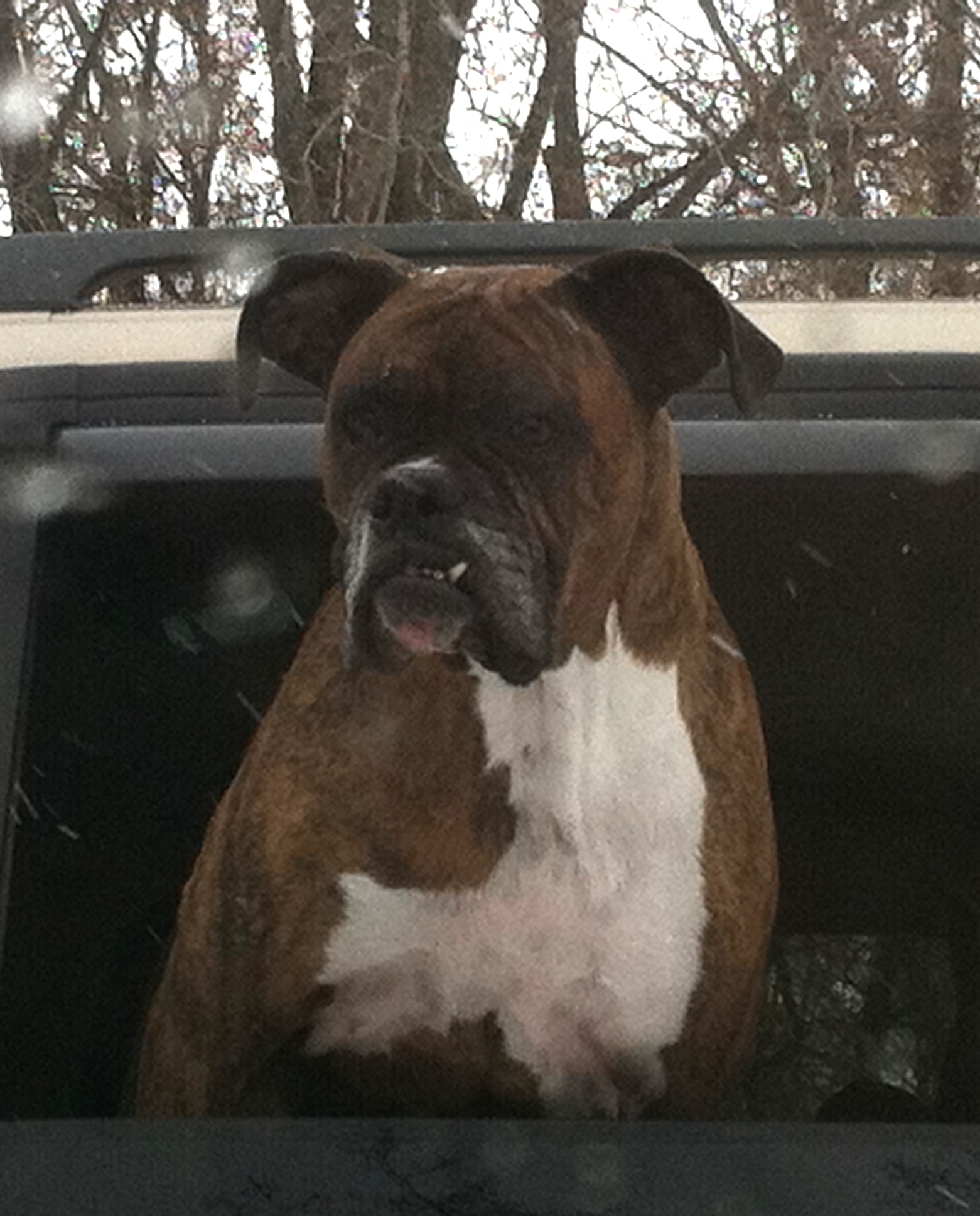
Not my dog or John’s. A random pooch with an endearing fang I photographed at Presque Isle in Pennsylvania. Certainly the apple of some dog owner’s eye.

I set my Zen bell for twenty minutes, unpropped myself, lay down, and rested my face on Watson’s side. “I love you, buddy,” I said. He huffed and made the old mutt smacking sounds with his mouth I’ve come to love. “I’m glad you stopped by.” I rubbed his soft ear between my fingers. “You’re a good old pal.”

IMG_0017

My favorite picture of my old buddy, Watson. Do you have a buddy, too?

The world news tells us our home is in peril, with all of its explosions and arguments. This Christmas, sisters and brothers, I claim for us another world, one I recognize every way I turn. Join me. Everywhere I see souls unable to contain their love and sacred wishes.

Love,

John

Coming to Myself from a Distant Country

Then Jesus said, “There was a man who had two sons. The younger of them said to his father, ‘Father, give me the share of the property that will belong to me.’ So he divided his property between them. A few days later the younger son gathered all he had and traveled to a distant country, and there he squandered his property in dissolute living. When he had spent everything, a severe famine took place throughout that country, and he began to be in need. So he went and hired himself out to one of the citizens of that country, who sent him to his fields to feed the pigs. He would gladly have filled himself with the pods that the pigs were eating; and no one gave him anything. But when he came to himself he said, ‘How many of my father’s hired hands have bread enough and to spare, but here I am dying of hunger! I will get up and go to my father, and I will say to him, “Father, I have sinned against heaven and before you; I am no longer worthy to be called your son; treat me like one of your hired hands.”’ So he set off and went to his father. But while he was still far off, his father saw him and was filled with compassion; he ran and put his arms around him and kissed him. Then the son said to him, ‘Father, I have sinned against heaven and before you; I am no longer worthy to be called your son.’ But the father said to his slaves, ‘Quickly, bring out a robe—the best one—and put it on him; put a ring on his finger and sandals on his feet. And get the fatted calf and kill it, and let us eat and celebrate; for this son of mine was dead and is alive again; he was lost and is found!’ And they began to celebrate. (The Gospel of Luke 15:11-24)

220px-Pompeo_Batoni_003

The Return of the Prodigal Son (1773) by Pompeo Batoni (Credit: Wikipedia)

Most Christians I know read this Parable of the Prodigal Son from the perspective of the faithful son, whose verses I didn’t include. He worked hard for his father “all these years” and stomps off, resentful that his narcissistic punk brother is about to enjoy some “fatted calf.”

I understand the faithful son, but more often I feel sympathy for the Prodigal son. Now let’s be clear: for the first part of the parable, he is—to employ a theological term—an asshole. Imagine proposing to your folks that they hand over your inheritance before they die. It’s amazing that the father doesn’t simply have his son flogged or thrown off a cliff. But he doesn’t, and off the kid goes to get sozzled and satisfied.

800px-Johann_Wolfgang_Baumgartner_-_The_Prodigal_Son_Living_with_Harlots_-_Google_Art_Project

The Prodigal Son Living with Harlots by Johann Wolfgang Baumgartner (1712-1761) (Credit: Wikimedia Commons)

Having missed any early-adult period of drunkenness, debauchery, and licentiousness, I don’t relate to that side of the Prodigal son. Instead, I find myself standing with the hungry kid and the pigs at that moment “when he came to himself.” What gorgeous phrasing! The New International Version of the Bible says, “when he came to his senses,” but “came to himself” more accurately describes a universal human experience. At least it resonates with me.

Here’s my prodigal process. In the parable, the son, wanting to party and get horizontal, leaves behind his best self, the self he comes to recognize only by getting his face rubbed in pig sludge. He also happens to travel to a different country. My story works differently, but ends the same. I stay right where I am and come to understanding not dallying with prostitutes—I do drink some wine—but frittering away my inheritance by succumbing to stressors that seem perfectly matched to my weaknesses.

Anxiety

If I looked this good anxious, I might not complain. (Credit: Wikimedia Commons)

I don’t know what the Prodigal’s household was like. (Yes, it’s a parable, so there’s no real background, but work with me here.) Maybe he was pampered. Maybe he got away with everything. His big brother probably hated him from the start. And since nothing was ever good enough for the Prodigal, the second he passed puberty a hedonistic frenzy was inevitable.

The Coleman household for me, the youngest of four children, was full of love, but like so many families of my generation, we panicked at any rocking of the boat. Many people my age know exactly what I’m talking about, and whole disciplines and vocabularies have evolved to explicate and heal family systems and all the frazzled, wounded boomers they’ve produced.

Don’t rock the boat: the colloquial mantra of 2225 Wagner Avenue. Of course, I didn’t have the maturity to realize it at the time, but being outwardly upset or angry was not acceptable. When it happened, everyone’s guts turned to water. A top priority, then, wasn’t to be happy and well-adjusted (who knew what that meant back then?). Just let the waters be calm! As long as we were acting okay, then everything was okay. Yeah, sure.

2011-03-03-pano

Ah, still waters! Might be Three Mile Island, Love Canal, and Vesuvius underneath, but as long as there aren’t any whitecaps, we’re solid. (Credit: Thomas Bresson on Wikimedia Commons)

I can’t speak for my siblings, but this fallacy has followed me into adulthood and climbed the walls of my psyche like ivy. Over the last thirty years, this plant has been ferocious. Whereas the Prodigal got lost in harlots, booze, and hunger, I’ve found myself lost dozens of times over the years when people don’t act okay. Nothing different than back home. When someone isn’t being normal, then do something to get ‘em normal again! Don’t fix the problem, mind you, but get ‘em normal. (Let me state, again, my home when I was growing up had much to praise. Everyday wasn’t a dysentery epidemic. And on a different subject, I’ll also toss out, if you’re going to get lost in something bad, reckless sex and drunkenness might be more fun than crippling anxiety and paralysis, but I can only speculate here.)

Live_in_an_ivy_tower_(8059746783)_(2)

Sometimes ivy takes over so it seems like there’s more plant than stone. (Credit: Psyberartist on Wikimedia Commons)

So the Prodigal “comes to himself” standing in a field with pigs and staring longingly at what one blogger says are carob pods. Hunger has granted him an epiphany: “What in God’s name are you doing? Go back to yourself. Whatever is good and wise within you, return to that. Now!” I envision him taking those first steps back toward himself. The parable teaches that the young man is going back to his father (God), but I choose to hang onto those words, “when he came to himself,” and let God and the son marry. The long walk toward God is the walk toward himself.

800px-Ceratonia_siliqua_MHNT.BOT.2011.3.89

Mmm! An overripe, dehydrated banana? A used, sunbaked . . . ? Oh, never mind? Carob pods. (Credit: Roger Culos on Wikimedia Commons)

A few twilights ago at 4:10 a.m., my walk began, not away from squandering inherited wealth, but from squandering myself. I awoke content. For the most part, this isn’t how things have been going over the last couple of years. I’ve been feeling the crack, sting, and ache of ivy digging into my brick and mortar. So what do you do when you’ve been hurting lately, and contentment shows up a couple hours before the alarm goes off?

Pee. That was my first decision. My second was to prop myself up in bed next to sleeping Kathy and pray. And breathe. And enjoy. Then, like the Prodigal, I came to myself. I have no clue why. All I know is that I somehow saw clearly the fallacy I’ve been living under for far too long. Weakened by the pull and weight of my personal ivy, I’ve gotten lost. Prayer, running, and dietary sanity—outward signs of the inner John—have shrunk or ceased altogether. I used to get up before dawn to pray and write, then jump into company time. Most days included four or five miles on the track. Meals weren’t perfect, but they were generally mindful.

Well, in recent months you can forget all that shit. So why, as I sat straight up with the cool, dark air touching my arms, did I come to myself? “What in God’s name are you doing? Go back to yourself. Whatever is good and wise within you, return to that. Now!”

IMG_2610

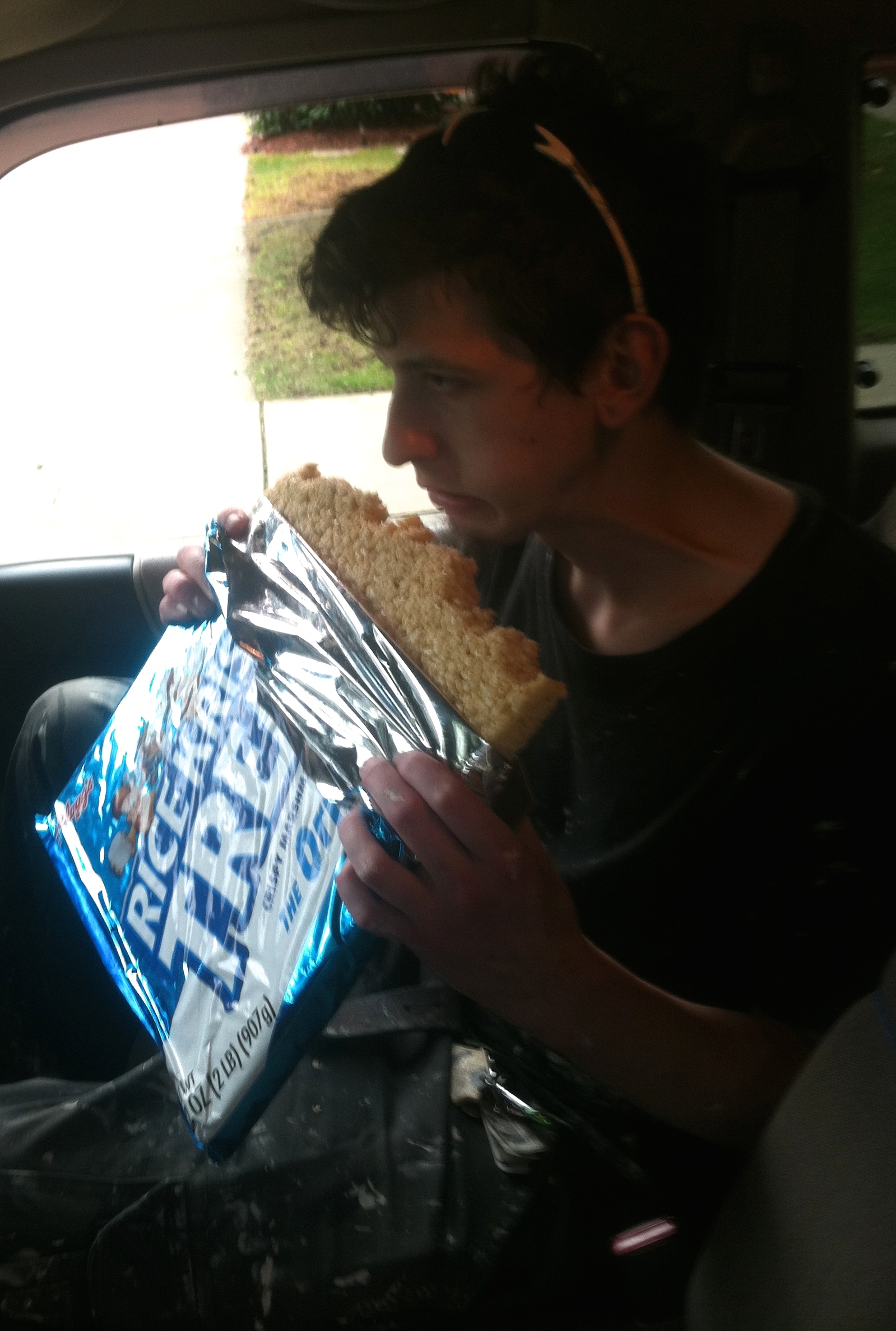
Son Micah working on a two-pound Rice Crispy Treat after a hard day of painting. Laughter comes more easily after I find myself

I guess the timing of my Prodigal moment doesn’t matter. Nor do I need a reason that I felt welcomed and embraced, as if I had left myself for a distant country and returned. An embrace. My body received it, as when your chest meets another chest and you rest your cheek on a beloved shoulder and know you’re not lost anymore.

In the parable, the father sees his son in the distance and runs out to hug and kiss him. Then they finish the walk home. I got hugged and kissed, too. Maybe it didn’t come from God, but it sure seemed like a greater “Welcome home, son!” than I could have given myself.

This home isn’t on Wagner Avenue or Shenley Drive. It’s the home I believe we all have to find for ourselves over and over again. For me, it’s about “coming to myself”: held close by One who rejoices that I’m found, sitting next to my sleeping wife, putting my soul’s arms around all those I love, and believing that Mystery has ways of making weak brick and mortar strong again.

IMG_2564

My soul’s arms hold Cole when I come to myself

Breathing the Moments of Buoyant Flowers

The late May Sarton loved flowers and kept vases of them all over her house. On page one of Journal of a Solitude she explains why:

When I am alone the flowers are really seen; I can pay attention to them. They are felt presences. Without them I would die. Why do I say that? Partly because they change before my eyes. They live and die in a few days; they keep me closely in touch with process, with growth, and also with dying. I am floated on their moments.

IMG_0856

Kathy’s trumpet vine, last year’s edition

These days wife Kathy’s stargazer lilies, clematis, and plenty of others make the yard a happy riot, and a couple times a day, I stop, look for a few seconds at some bright spot, and float. The trouble is, my favorite activity in life is floating: find beauty, breathe it in and out, and float. Maybe this is because, like Sarton, “I feel too much, sense too much, am exhausted by the reverberations after even the simplest conversation. But the deep collision is and has been with my unregenerate, tormenting, and tormented self.”

220px-May_Sarton

May Sarton

Well, that’s a little overstated for me–I’m not unregenerate–but Sarton captures the main idea: I often feel as though I’m swimming upstream. I need beauty to help me float, even if the buoyancy takes me back downstream.

A few days ago I had an evening to think back over some of the flowers that have lined my path lately. The free time, I should point out, surfaced because while schlepping around the grocery store in my old Birkenstocks, I caught my piggy toe on one of the cart’s wheels. It’s curious how several ideas can come to mind in an instant:

  • Heavens to Murgatroyd, I just broke my toe!
  • Don’t pass out.
  • Wait, it’s sticking out at a 45° angle. Is it possible to jerk a toe out of joint?
  • Jiminy Cricket!
  • They don’t do anything for a broken toe anyway. 

“What have I got to lose?” I thought, then bent over, made a mental note to lose weight, and pressed piggy back toward its siblings: click! I didn’t hear it, but felt it. Had I just lucked out? We would have to see.

Trying not to limp too tragically up and down the aisles, I covered the rest of the list. The sweat that comes with a freak injury flowed, and occasionally I sounded like Yosemite Sam walking on hot coals. But I made it through the checkout, to the truck, and once home told Kathy and son Micah my tale.

I wouldn’t be preparing salmon and a Boston lettuce and avocado salad for supper. With foot elevated, I took four ibuprofen with two glasses of water, then sipped some Primal Roots red blend. As Kathy and I sat together, I looked out at the sun making the boulevard maples glow. Every few minutes my toe felt like it was inhabited by a tiny troll who, furious at being held captive, was using a pick ax to escape. Then, out of nowhere, a certainty settled on me.

“My God,” I said to myself and Kathy, “we’re so lucky.” I thought out loud our litany of blessings: home, food, clothing, loved ones, and more. Once in a while you remember that, although some sad spot inside sounds its chronic ache, you generally abide in Eden—a lush garden of breathing and floating. So on the porch my flummoxed toe and I floated. Breathing in, breathing out, I gave thanks for flowers that have lined my path lately.

IMG_1958

Conventional and cat flowers in the Coleman kitchen

Confession: until grandson Cole was born on November 30, 2013, I wasn’t a baby guy. Sure, little ones struck me as cute and good-smelling mostly, but I was never one to squeal and beg to hold them. But now my fifty-two-year-old heart has been cracked open.

IMG_2091

One of Starbucks’ baristas brought in her newborn. I was having a rough morning, then I found myself floating. Thanks, kiddo!

IMG_2127

Mary Anne holds great-granddaughter Alexis in my office at church. When mom Vanessa handed me her daughter, I told the little one she was lucky. Her mom and dad had waited a long time for her to arrive–much spoiling lies ahead.

Last week, twice in one day, I had occasion to visit Cole: first to drop off a key to my 1999 Mazda 626 so son-in-law Renaissance man Matt could fix the power-steering, which had crapped the bed, and second, to drop off a little treat for Elena.

IMG_2111

Joy at 9:30 a.m.

IMG_2116

Joy on a summer evening: daughter Elena holding Cole, rocking a new fedora.

For a while now I’ve been negotiating with myself, trying to overcome private struggles. Every few years Thich Nhat Hanh comes along with a dandelion of hope and encouragement. The opening of his Peace Is Every Step reminds me that today doesn’t have to be yesterday: “Every morning, when we wake up, we have twenty-four brand-new hours to live. What a precious gift! We have the capacity to live in a way that these twenty-four hours will bring peace, joy, and happiness to ourselves and others.” I have to keep in mind that change is possible.

800px-Dandelion_and_Ocean

Thank you, Thich Nhat Hanh. (Credit: Paul Davidson from Prince George, Canada. Source: Wikimedia Commons)

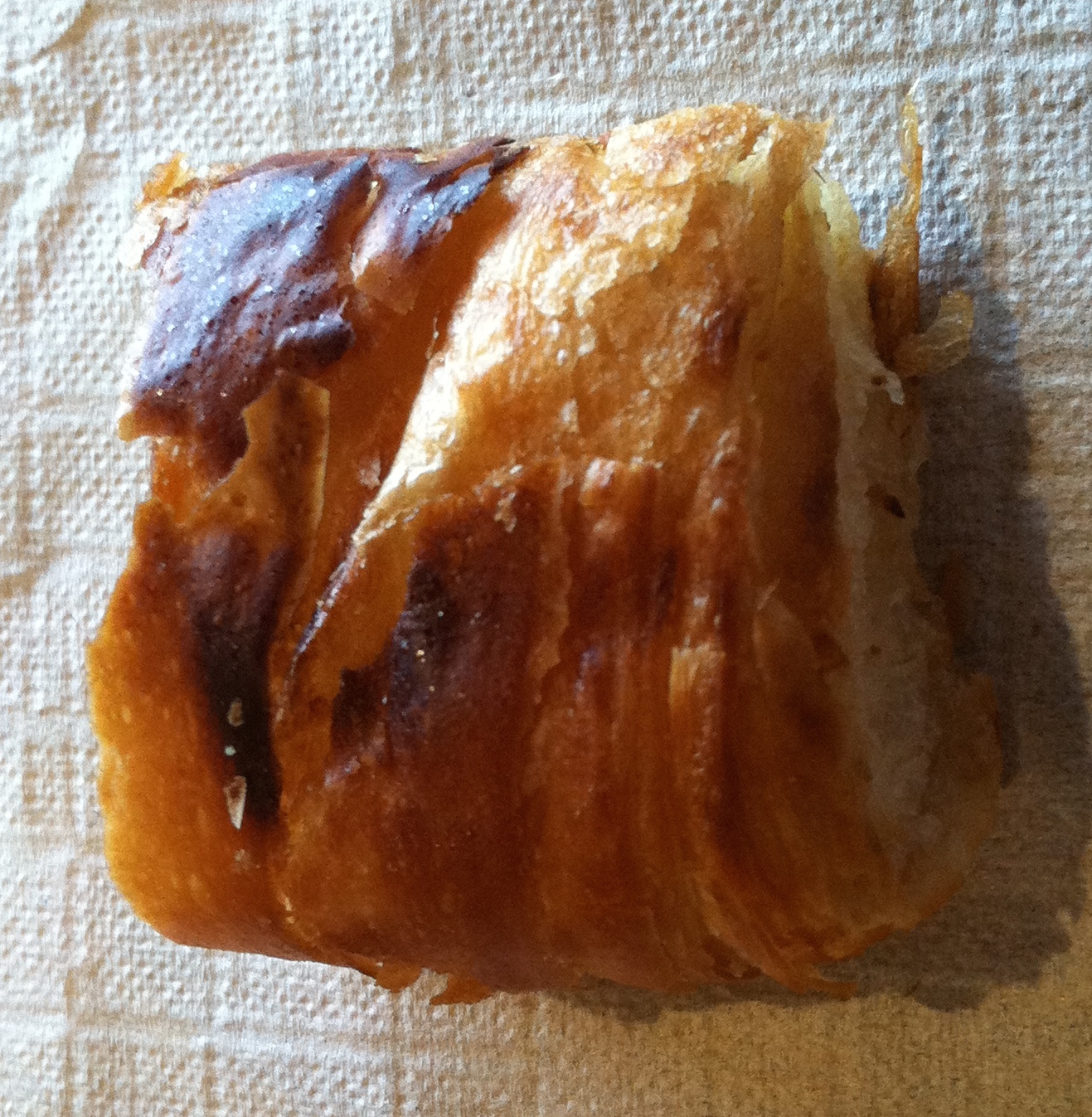
In the midst of struggles and weakness, I have the mindfulness to invite the smallest of flowers to set me afloat. At Starbucks baristas come around with samples, and the taste of a croissant—two bites—brought me to the present moment, to the gifts of tasting and breathing.

IMG_2122

Food flower

Stories sometimes come to me as flowers and help me to float. A dear friend recently sent me a message that evoked equal parts joy and sadness. I’ve made a couple of changes for the sake of privacy.

After a long nap this afternoon on my own bed . . . ahhh . . . I took my bride out to supper. It was very fancy. Hoagies and a clam strip basket at the ice cream place. I said, do you want to take a ride, and we did. We went out around the lake.

On the way out, we went past the county home. In the drive way was an old woman standing with a mug of coffee. As we approached in the truck, she began to dance around like a little girl. My wife said, “She lives in the home, but waits every day for her husband to come. He’s dead. But she stands outside every day waiting with a cup of coffee for him.”

I was really struck by the sight of an old lady with beautiful long silver hair dancing as if she was ten. Maybe one day she’ll be able to give him that cup of joe.

800px-Café_au_lait

My prayer: in eternity, may our beloved arrive as expected, may we dance until we’re dizzy with laughter, and may we give each other strong cups of gladness. (Credit: Tim Boyd from Brooklyn. Source: Wikimedia Commons)

I guess even a sad story can be beautiful as long as it tells some kind of truth. When it comes to floating, I’m not fussy. Anything buoyant will do: a baby, a few words to correct my course, a piece of bread, the image of a woman waiting for her dead husband–and a sore toe. After all, if I didn’t have to sit with my leg raised, I wouldn’t have noticed Shenley Drive’s shimmering trees or let go as the current took me downstream.

P.S. The day after my toe lost to the shopping cart, I was black and blue, but without pain. The next day, even the bruise was gone. I just checked with the Toe Doctor, and you can dislocate your toe. Well turn me over your knee and spank me with a wet fish!

Looking at the Back of the Lord

Then the Lord said [to Moses], “There is a place near me where you may stand on a rock. When my glory passes by, I will put you in a cleft in the rock and cover you with my hand until I have passed by. Then I will remove my hand and you will see my back; but my face must not be seen.”

(Genesis 33:21-23)

Moses_Pluchart

Moses and the Burning Bush (Credit: Eugene Plushart. Source: Wikimedia Commons)

I’ve spent my adult life trying to be at peace with this arrangement: Sacred Glory may pass by, but, like Moses, I’m permitted only a glimpse of it. Were I to take in the face of Eternal Love, I would probably die from beauty—or to borrow from the poet James Wright, “My bones [would] turn to dark emeralds.”

Acceptance is coming slowly. I can spend my days frustrated and anxious about the earthly deal—I don’t get answers until I’m dead, and maybe not even then—or I can keep watch for the back of Yahweh. I’m going with the latter. Standing in the cleft of the rock, I want to let this world be this world and receive whatever it offers. Lately, my trifocal eyes are catching sacred glimpses that bring my fragile soul to tears, and I’m grateful. God’s glory passes by as if on a loop. My calling is to breathe, keep vigil, and give thanks.

Julie was frustrated because her six-year-old daughter Cora was doodling during a baptism, but because her hands were full with little peanut Lena, she let it go. On the way out of church, Cora crumpled up the doodle and tossed it in the trash. Julie fished it out and stuffed it in her purse. The next day she smoothed out the little ball of paper and read this:

IMG_0801

Author of the baptismal account below (left) comforting Great-Grandma with the help of her little sister.

A little kid and a toddler got baptized. The little kid was four I think and the baby is two maybe. The kid weared a tie and the tie was tucked in his shirt. His pants had red scribbles and the rest was black. The little toddler dipped his hand in the little bowl full of water after he got baptized. Everyone laughed hysterically. Then it was time for them to sit back and while they were getting baptized we had to say a prayer.

“Do you sing in honor and caring to your family and pray?” Asked Pastor John.

“I do” answered the boy.

“Are you care and love about your friendships love?”

“I do”

“Do you love have sins of you?”

“I do” the prayer was.

“I thought that the boy was proud of himself and happy and free. Now what could be happier than love?”

Julie ended: “I have so much to learn from her.” I say: Cora’s words doodled here and there, but she understood the moment. A boy proud of himself, happy and free. What could be happier than love? And would that we all sing in honor and caring to our family.

Glory: a sweet, sensitive girl and a scrap of paper.

IMG_2076

Cora’s doodle

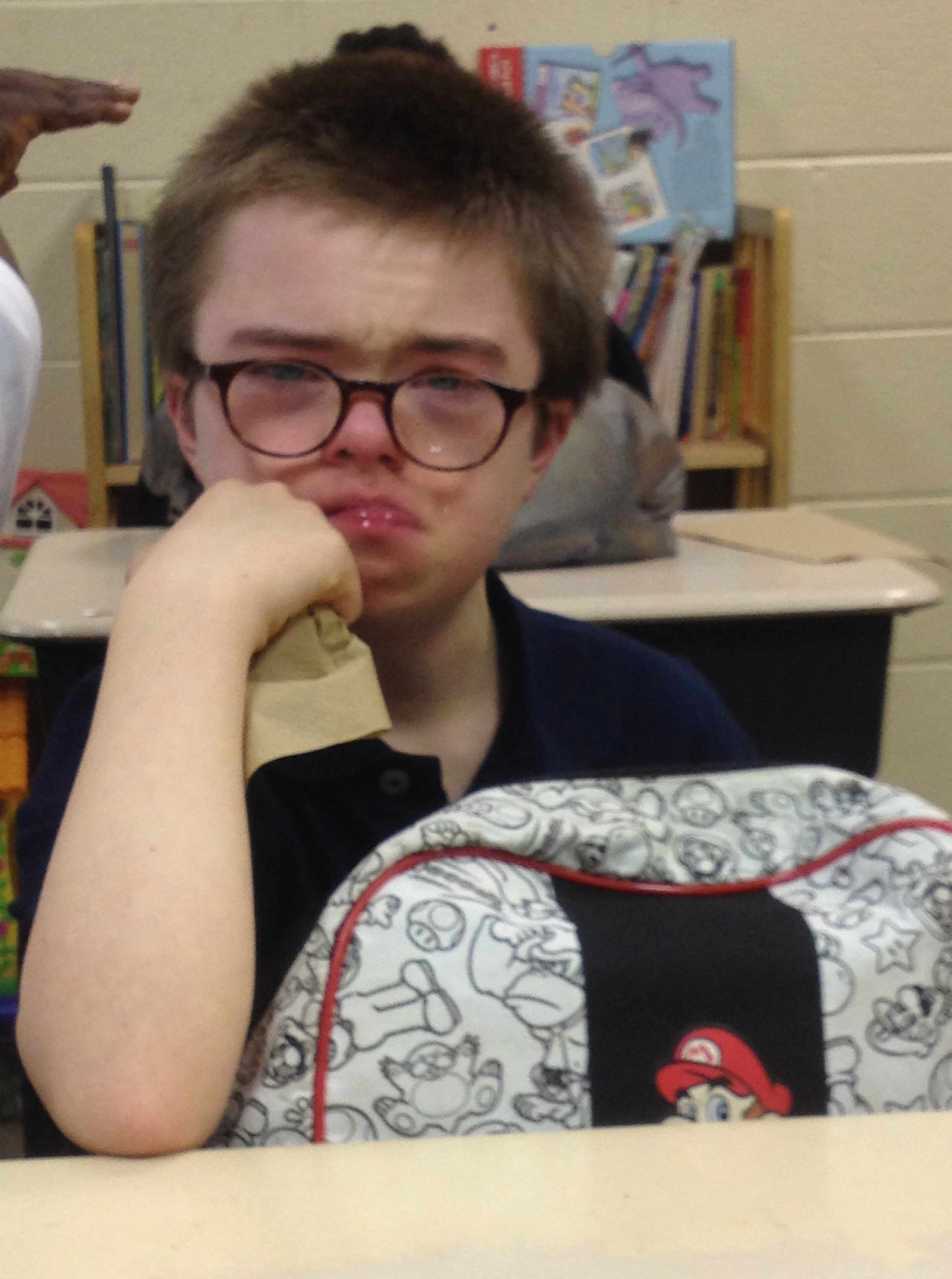
Next-door neighbor Patrick abides in a relentless now. The twelve-year-old sage of Shenley Drive, he happens to have Down’s syndrome. No kidding, the boy is my teacher. I watch him navigate the world and learn to get outside my own squirrelly head and—for the love of God—live! When Patrick is playing, he’s playing. When he’s eating, he’s eating. And, as was the case last week, when he’s sad, he’s sad. He’ll go to a new school next year, and when it came time to say goodbye to the teachers and friends he loves, he did so with all of himself.

Glory: a boy cries holy tears.

IMG_5301

Time for Patrick to say goodbye. Not all glory is glad.

A few days ago I received a text message from son Micah. “Can u email mom for me?

“Sure,” I said. “Message?”

“Ask if she wud help me make another sock puppet tnight?”

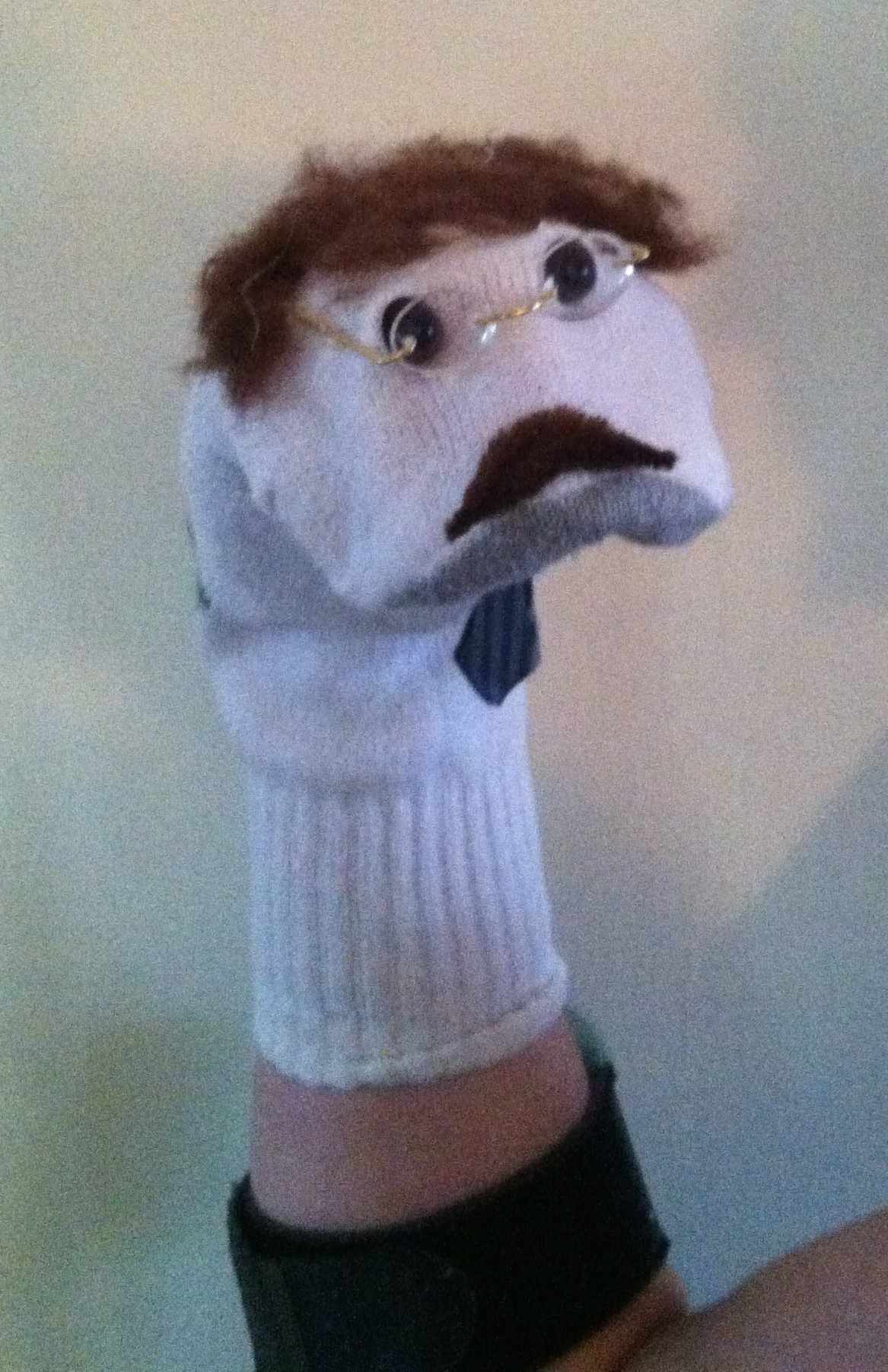
This hardly seems like a glimpse of Yahweh, unless you know that Micah, who’s twenty-two, has quite a history: heroin addiction, felony conviction, teenage years filled with rage. But he’s been clean for almost two years and gainfully employed for about one. And he loves being Uncle Micah to six-month-old Cole. This is where the sock puppet comes in. One day he got the idea of making one for his nephew. When he showed me what he came up with, I saw it from the cleft of Moses’ rock.

Glory: when goodness crawls out from a rancid cave and “stand[s] upright in the wind,” the universe blinks back tears.

IMG_2069

Micah’s sock puppet. I suggested the name “Mr. Miggles.” Notice the necktie.

Last week I drove south on I-79 in Pennsylvania, windows down and the Beatles up loud. A couple lines into “I Want to Hold Your Hand” the road got blurry. I thought of wife Kathy, of course, and how as years pass, nonsense and clutter wear away to reveal the deep emerald green of joy—in this case, the simple joy of holding Kathy’s hand. When we both land at home in the early evening, we walk gimpy dog Watson and hold hands off and on. Driving wherever, I take her hand and kiss it.

Glory: there’s room for two in the cleft of Moses’ rock, especially when they stand close together and watch for the back of God . . .

which sometimes looks like a girl’s crumpled up doodle, a boy’s goodbye tears, a healing uncle’s puppet, and a middle-aged woman and man who still hold hands.

IMG_0182

Kathy with Watson. I still want to hold her hand.

Mindfulness: A Christian’s Understanding

42-28072744

Not as blissful as woman on the cover of Time, but definitely in the zone. (Credit: Ernst Mutchnick / Funk Zone Studios / Corbis)

I should be grateful. The cover of a recent edition of Time Magazine carries the photograph of a lovely woman with closed eyes and a Zen half smile along with this title starting below her throat: “The Mindful Revolution: the science of finding focus in a stressed-out, multitasking culture.” Author Kate Pickert offers an engaging account of Mindfulness Based Stressed Reduction (MSBR) and its slow progression into the mental health field’s go-to arsenal of methods for getting or staying sane. MIT-educated scientist Jon Kabat-Zinn developed MBSR in 1979, and today, Pickert writes, “There are nearly 1,000 certified MBSR instructors teaching mindfulness techniques (including meditation), and they are in nearly every state and more than 30 countries.”

Mindfulness is even “gaining acceptance with those who might otherwise dismiss mental training techniques closely tied to meditation—Silicon Valley entrepreneurs, FORTUNE 500 titans, Pentagon chiefs and more.” Fantastic! Some wealthy and powerful people are in favor of stopping, dwelling in the present moment, paying attention, and reflecting. This is a good thing. But my soul is uncomfortable—my skeptical soul. Why?

Pickert’s take on our society’s need for mindfulness is insightful and accurate. She admits her own struggle: “I am hyper-connected. I have a personal iPhone and a BlackBerry for work, along with a desktop computer at the office and a laptop and iPad at home. It’s rare that I let an hour go by without looking at a screen.” I’m writing from Starbucks on a Monday morning, and seven of the fifteen patrons are screen-fixed. A couple are simultaneously conversing and texting. The Time author is on the right track.

42-52934599

Multitasking (Credit: Arman Zhenikeyev / Corbis)

Imagine Jeopardy, “Modern Words for $1000″: “Attempting to perform two or three or eight tasks at the same time.” Beep. “What is multitasking?” Attempting is the key word. As Pickert points out, “Researchers have found that multitasking leads to lower overall productivity.” Elders have known this for years and have been shaking their heads.

So mindful folks everywhere should Buddha-laugh and embrace MBSR, mindfulness, or any practice that helps us to slow down and be where we are. There’s evidence as well that “meditation and rigorous mindfulness training can lower cortisol levels and blood pressure, increase immune response and possibly even affect gene expression.” So much promise!

American_soldier_in_Vietnam

Private First Class Russell R. Widdifield in Vietnam, 1969. (Credit: Wikimedia Commons)

As I thought my way through this fair and balanced Time article, I bickered in my head. I had questions and suspicions. Finally, Pickert’s explanation of a particular use of mindfulness training forced me to confront my bias. Elizabeth Stanley, an associate professor at Georgetown, collaborated with Amishi Jha, a neuroscientist at the University of Miami, to launch “a pilot study with private funding that investigated whether a mindfulness program could make Marines more resilient in stressful combat situations.” Stanley went on to develop an MBSR-based curriculum called “Mindfulness-Based Mind Fitness Training.”

When those words punched my face, I put words to my discomfort. An hour ago I asked Zen-dude Alan the question: “Is it possible to kill another human being mindfully?” He didn’t think long before answering, “Yes.” I wasn’t talking about euthanasia or any other taking of life motivated by compassion, and I think he knew that. He brought up other good qualifications. Somebody’s going to shoot you; you shoot first. For Alan, mindfulness is simply being fully present to what you are and what you are doing and accepting the consequences. Shooting in self-defense, he admits, means killing part of himself. Alan is a good, thoughtful guy, but I want to push him on the nature of mindfulness. Next time he bows to me at Starbucks I might ask him if he thinks you could mindfully strangle a healthy black lab puppy for no reason. He’d probably draw the line there.

42-22746321

Statue of Christ of the Abyss. Loving the world, longing for the Creator?  (Credit: Image Source / Corbis)

I draw the line somewhere else. For good or ill, my understanding of mindfulness is informed by Christianity. Any of my friends will tell you I’m about the weirdest, most open-minded Jesus follower on the block, but some actions strike me as so troubling and hurtful that I regard them as morally insane; that is to say, the opposite of mindful.

Mindless? Mindful? Any distinctions are riddled with semantics, but I’m fond of mindfulness and object to the word being deployed to certain theaters. Here’s where I imagine I’ll get myself into trouble:

  • Pickert mentions “Silicon Valley entrepreneurs, FORTUNE 500 titans, Pentagon chiefs and more” embracing mindfulness. A mindful titan? Sounds like an oxymoron. I don’t believe you can mindfully enjoy extravagant wealth, be content with earning 400 times the wage of anybody who works for you, or profit from the exploitation of fellow human beings.
  • Now my skepticism appears. Given the way the financial world operates, I don’t believe corporations provide mindfulness training and/or MBSR to ease anybody’s stress. The motivation is profit, with healthier, saner employees being a glad byproduct. If businesses didn’t see a return on nurturing a peaceful, happy workforce, they wouldn’t spend the money. Are there numerous exceptions? Sure.
  • One Sunday afternoon before a nap, I lay in bed head-wrestling with the idea of a mindful military. Son Micah came up to kibitz as he sometimes does. I explained Pickert’s article and asked what mindfulness would tell him if he had another man in his crosshairs. “Don’t shoot that guy,” he answered. Even though Micah is an atheist, he’s been contaminated by his Jesus-loving father. He perfectly summarizes my conclusion about mindfulness and war. Mindfulness as I try to practice it can’t be applied to any action not grounded in compassion.

Some distinctions are important here. I’m not arguing that military force is immoral; that’s a separate discussion. I’m not saying that Silicon Valley shouldn’t be a land of focused, driven world-beaters who lick the multitasking addiction. And I’m not against using mindful strategies to help soldiers endure combat and heal when they come back home. I vote for all these.

RESTORE HOPE

What would mindfulness have me do? (Credit: Wikimedia Commons)

What I confess to is a highly subjective understanding of mindfulness. It’s not a method, but a way that leads to kindness, mercy, and justice. In the end my point is embarrassingly minor: if you’re using mindfulness to increase profits or take life without reckoning the personal soul-strangling consequences, then you’re not grasping mindfulness. You don’t use mindfulness; mindfulness helps you to discover how to use yourself.

As far as I’m concerned objectivity doesn’t exist, so I feel free to paint mindfulness with Jesus colors. Nobody owns exclusive rights to a word. Still, I can speak my truth: mindfulness leads nowhere other than love.

Confessional Prayer of a Napping Pastor

Dear God:

Naps lately haven’t been as long and lovely as in the past, which is a good thing, I suppose. For years one worry after another choked my spirit, but now I’ve caught my breath. Kathy is in a good space, even though I constantly test her patience. Our children seem to have outgrown their respective insanities. Former Goth girl Elena married wise, gentle Matt, and they’ve come up with our grandson Cole. And Micah hasn’t shot up for over eighteen months. When I lie down these days, siestas aren’t for escape, but refreshment.

42-49497982

6:00 p.m. Fewer pancakes, same amount of syrup. Forgive me, Lord. (Credit: Dieter  Heinemann / Westend61 / Corbis)

Tonight all of us will meet at the church for Shrove Tuesday pancakes and sausage. I’m having real syrup, but promise to take extra insulin. The food will be delicious, but all of us together fussing over Cole will be the main course. Then, back at home, I’ll enjoy the fruit of the vine—for medicinal purposes.

42-50572362

Just a splash, Lord. (Credit: Walter Zerla / Blend Images / Corbis)

At the moment I’m sipping strong, sweet coffee at Starbucks with the regulars. Alan showed up a few minutes ago. As always, my hands said namaste, and he bowed. Breathing in. Breathing out. I’m not suffering.

God, you probably already know what’s on my mind, but just in case, I have a confession:

I’m grateful for this day: for the stubborn solo digit Fahrenheit air, for my 6:45 silence with you, for this coffee, for hours ahead that don’t threaten me, for more love and mercy than I deserve. But I still look over my shoulder, still twitch when the undergrowth rustles with one more emotional ambush. A Paul Simon song states the truth:

When something goes right

Well it’s likely to lose me

It’s apt to confuse me

It’s such an unusual sight

Oh, I swear, I can’t get used to something so right

Something so right.

The deal is, Lord, I’m trying to get used to not constantly feeling anxious and shitty. When we sit together, I think you whisper into the ear of my heart: “Relax, John, and live. Relax and live.”

Benedict_of_Nursia_(painting)

I hear your Saint Benedict’s instruction, Lord: “Listen with the ear of your heart.” (Credit: icon by Clarisse Jaegar; photograph by Eugenio Hansen, OFS; on Wikimedia Commons)

If I started saying thank you right now and gave the rest of my days to repeating it, I couldn’t pile up enough thank you’s to cover my present gratitude. At the same time, I have to pray the truth. I don’t believe you dispense today’s blessings any more than you orchestrated yesterday’s despair. I might be wrong on this, but these assumptions aren’t behind my thank you’s.

Some of my brothers and sisters talk about having a personal relationship with you, but I can’t make us work that way. You know! I don’t ask for favors. I roll around in you. Your wind-song moves over my skin. You don’t “maketh me to lie down in green pastures” and “leadeth me beside the still waters.” You are my green pastures and still waters. I breathe you in. I breathe you out. And when I do pray that you grant me something concrete, it’s a desperate beggar talking. Oh, Lord, you know.

42-32943067

Hi, Lord. (Credit: Yi  Lu / Viewstock / Corbis)

Why am I telling you all this? I don’t understand myself. Maybe a crevasse in my soul finds warmth in being honest with you. When Micah was a junkie, I never blamed you. I did wonder—within the cosmic economy—why such a demanding son ended up with such a fragile father, but not once did I say, “God, why did you do this to me?” And as I sit here today, my gratitude for how well that man-boy is doing doesn’t mean that I think you said, “Okay, John’s suffered enough. I’ll make his son clean.”

I say thank you not because you guide me to lost keys and make my diabetes go away, though I’m fine with any help in such arenas. I say thank you because I feel you near. When I close my eyes, as I do now, and calm myself, a wordless voice speaks–yours, I suspect: “John, John. I’m here. Don’t look up. My hands hold the stone of grief in your chest. My lips kiss your face, creased with joy.”

42-40693152

Is that you, God, breathing? (Credit: Gary Weathers / Tetra Images / Corbis)

Another truth: moments pass now and then when I’m afraid I’ve made you up, and the Milky Way’s swirl is nothing but dust and light. So I’ve got no choice, God, but to give myself and all I love to you, even my belief. I’m your grateful, confused son, liking this coffee, planning on a light nap at 2:00, looking forward to cradling our grandson over pancakes tonight, and doing my best to let you be my close Mystery, my green pasture in tears and gladness.

Amen

A Poem: Exodus

Exodus

March: these three

song sparrows

head in a line–

wing to wing

and keeping their counsel–

toward the leafless hills,

which themselves follow

one another

into the distance.

Trailing this delicate

gray exodus,

I hear the wind

for an instant

unburdened by

trucks or voices.

Only the mist

from my own lungs

offers the necessary

whisper in the silence.

Sparrows far off now,

I watch for others,

praying they’ll sing

me a route I can

thoughtlessly recall.

42-45883470

When you take off, please sing to me. (Credit: Patryk Osmola / National Geographic My Shot / National Geographic Society / Corbis)

Note: This poem originally appeared in slightly different form in Southern Poetry Review (Fall 1991).

Micro-Post: The World Is Pulling My Leg

At the Millcreek Mall, Micah and I pass the Food Court and a pet store on the way to the E-cig kiosk. Smells: from Subway to General Tso’s chicken to pizza to a chemical cleaner that’s no match for pet poo.

A couple of kids play with a pup–maybe a Weimaraner, not sure–through the glass. The transaction seems friendly. The kids aren’t taunting; the dog’s having fun, spinning, reaching its paws toward them.

As I wait for Micah to pick up his cappuccino-flavored liquid tobacco, I begin to feel as though I’m from another world. Earth is pulling my leg.

In front of me is an establishment devoted mostly to eyebrows and eyelashes.

IMG_1398

“Oh,” I think, “you can get some kind of fabric woven into your eyebrows if you want them darker or you can make a weak mustache sturdy with facial threading.” But an eye-hair business? In this world, gracious, what you can buy!

After Micah pays, we head back the way we came. “Can you believe it,” I say, “a place where all they do is weave fake hair into your eyebrows and grow your lashes?”

“Uh, Dad,” Micah says, “I think with threading they roll thread over your hair to pull it out.”

Ah. Duly noted.

Back by the pet store, the kids are gone. The dog is lying in its cage–looking for more kids?

IMG_1399

In this world, animals that we consider friends are for sale. Dozens here alone, like sofas or flat screen televisions.

We sell what can love, fear, even save. And we micro-manage our eyebrows.

Dear World, please stop fooling around. Some of these jokes make me tired and sad.