Blogging, Awards, and the Longest Acceptance Speech Ever

I’m a slow one, I am, but I catch on eventually. When I started A Napper’s Companion almost a year ago, it was a selfish endeavor. Editors were taking forever to get back to me about book submissions, and when they did, the answer was “Nope.” My morning writing discipline, nourishing as it was, occasionally felt like solitary confinement. So I stuck my neck out there with a blog, wanting mostly to get my stuff under somebody’s nose rather than letting it rot in my laptop’s guts.

42-53814834

All right, put your nose under those spectacles and read my stuff! (Credit: Radius Images / Corbis)

As the months have passed, I’ve received several nominations for blogging awards. The first time it happened I tried to track down the source of the award. Dagnabbit! Every road led to another blog. “Ah ha,” I thought, “this is a blogging gimmick.” So I settled on a policy: say thanks, be polite, but don’t engage.

But then something completely unexpected happened. Part one: it dawned on me that it was selfish to expect other bloggers to read my work if I didn’t read theirs. So I read and came to regard reading not only as an ongoing pleasure, but a responsibility. I don’t schedule blocks of time for keeping up with blogs I follow, but a couple times a week it happens: Coleman sits with a cup of coffee or a glass of wine and has great fun with my friends. Yes, I said it: friends. That’s part two: I never ever expected to find such a wealth of cool, funny, thoughtful friends in the WordPress community. I don’t suppose we’ll ever actually meet; hell, I don’t remember where most of them live. A few of them don’t pay much attention to my blog, but that’s okay. We’re comrades and considering the likes and comments some receive, they could spend several hours a day just following their followers and commenting thoughtfully. Not possible. Love them anyway.

Anyway, I’m accepting an award nomination today. I’ve known for decades that “writing is a quiet game”—can’t seem to track down who said so originally. What I’ve learned lately is that the blogging landscape is lovely, but, damn, is it crowded. WordPress stats say, “Over 409 million people view more than 13.1 billion pages each month.” Holy crap! But in the midst of all these voices, I’ve come to really connect with a little choir. In between reading posts, I think about my blogging mates (Australian lilt required). I hope they’re doing okay, and for some walking in the valley of the shadow, pray they’re still among the quick.

Among bloggers, awards are a way of patting each other on the back and extending genuine appreciation. Do we hope to increase our traffic a smidgen? I suppose so. But I’m accepting a nomination from blog bud nap time thoughts (I’ll do the same for another from kerry’s winding road in a separate post) for a human reason. She’s saying thanks, and I’m responding, “You’re welcome. And thanks back atcha!” I’m spreading and feeling the love.

I’m accepting a nomination for “the Quintet of Radiance Award,” which is actually a bundle of five awards. What the hey, why not go for a bundle? “Most Influential Blogger Award,” “Awesome Blog Content Award,” “Inner Peace Award” (by which my friend must mean “the Chunky Neurotic Dude Award”), “Sunshine Award,” and “The Versatile Blogger Award.”

most-influential-blogger-1

abc-award-1

inner-peace-award

sunshine-award-1

versatile-blogger-nominations-1

My only obligation is to describe myself using the alphabet, but because I’m a sunshiny little pain in the arse, I’m going to use the letters to describe things I like. This may at times read like a shopping list:

A: Abiding Hope family (the church I serve as pastor), avocado, asparagus, artichoke hearts, anything Alfredo, art, America’s Test Kitchen, atheists and agnostics (see last item in this series), and agape (Greek for God’s unconditional love)

B: basil, books, blogging, cat Baby Crash, the Benedictine Sisters of Erie, the Buddha, Big Band, David Brooks (best right-of-center columnist), and Samuel Barber’s “Adagio for Strings”

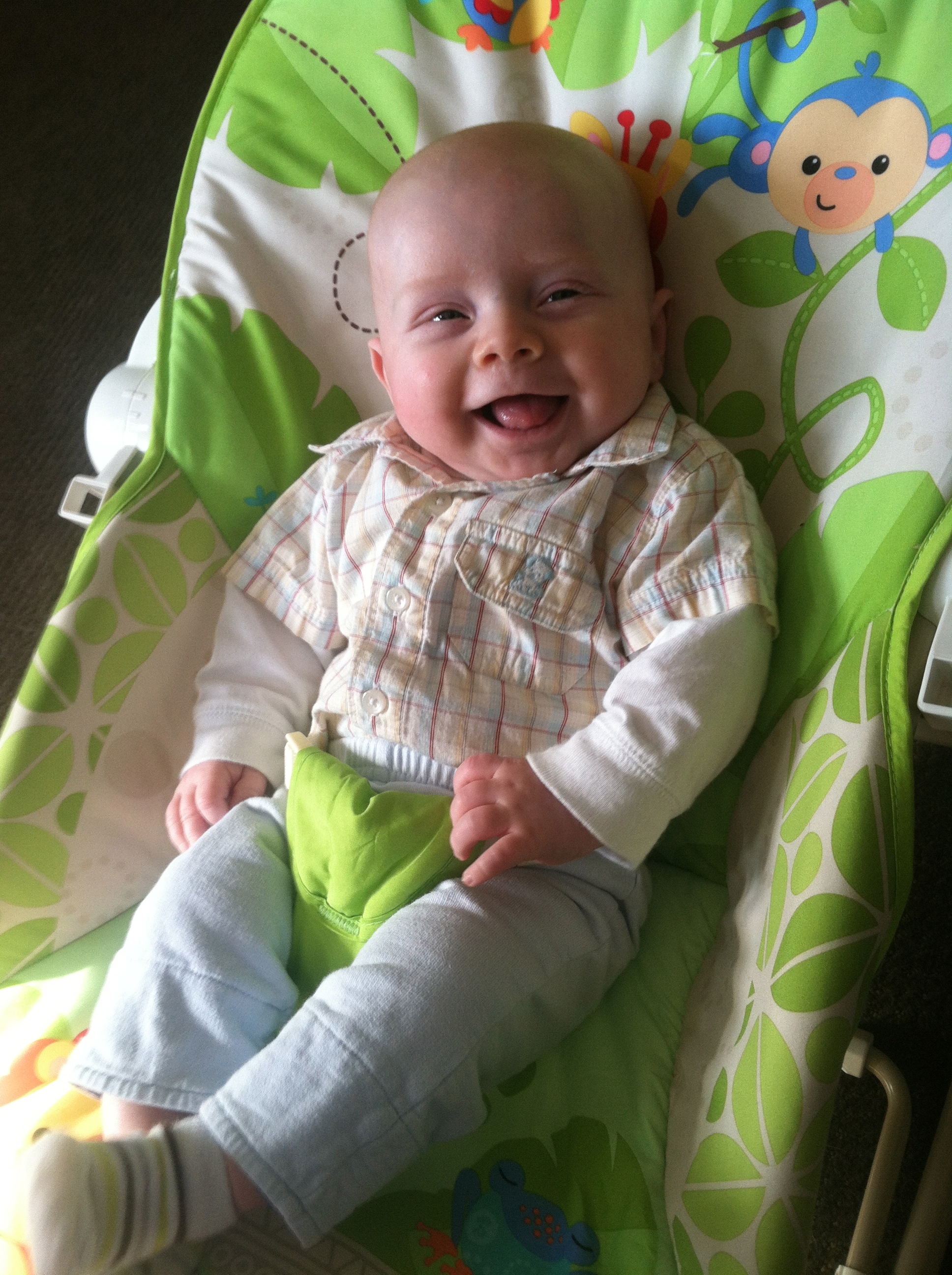
C: (so-cute-you-just-want-to-poop-your-trousers-along-with-my-grandson) Cole, curry, cardamom, cilantro, cabernet sauvignon, chardonnay, Chipotle Mexican Restaurant, Julia Child, contemplation, and compassion

IMG_1373

Grandson Cole. Admit it, you kind of want to poop, right?

D: Desitin (should I join grandson in pooping), E. J. Dionne (best left-of-center columnist), dill weed, delete, dude, and dang

E: (wonder-daughter) Elena, eggplant (dredge in egg and flour, fry in grease, delete nutritional value), El Canelo Mexican Restaurant, and eros (Ew! This from a pastor? You bet. Gift from God!)

F: feta cheese, friends, Food ala Floyd, and fubsy (which means “short and somewhat squat”)

G: gravy (any denomination, salty and fatty, bitte), guacamole, Greek olives, and gentleness

42-51110473

Straw, please. (Credit: Koji Hanabuchi / Corbis)

H: the Harvard comma and Phil Harris

I: India pale ale and irregardless (which isn’t actually a word; it’s just regardless)

J: Jesus, Joe’s Cheese House (Marinette, Wisconsin; cheddar aged 16.5 years; eat or use to remove warts), and jogging (ten years ago I’d have said “running”; oh well)

K: Kathy (wifely; good Lord, how has she tolerated me for 33 years?), (“I’ve Got a Gal from) Kalamazoo, and Graham Kerr

IMG_0182

Kathy, who could make any letter illustrious, with Watson.

L: lime, Louis CK (one is bright and refreshing, the other vulgar and hilarious), lasagna, Lutheranism, and love

M: Micah and Matt (son and son-in-law; proud as hell), meditation, monasteries, and music

N: nasty (a word I use for fart, as in “Oh, my dear chap, did you just emit a nasty?”; the actual item I can live without—really), “Nessun Dorma” (see T.), and napping

Press_photo_of_Jussi_Björling

Swedish tenor Jussi Bjorling. Sang a mean “Nessun Dorma.” Died of drink too young. (Credit: Wikimedia Commons)

O: oregano, olive oil, the Oxford comma, and Mary Oliver

P: pesto, pinot noir, pizza, the Palmer (walk and wiggle your hips like one of those girls in Robert Palmer music videos), Louis Prima, Jacques Pepin, poetry, prayer, and peace

Q: query (wrote a ton of those dang letters)

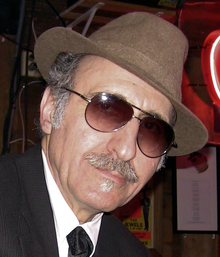
R: Ricardo’s Restaurant (best filet mignon in Erie, Pennsylvania), roasted red peppers, Leon Redbone, and Rachmaninov’s Second Piano Concerto
220px-Leon_Redbone_at_Knuckleheads_Saloon-Kansas_City_MO

Leon Redbone (Credit: Wikipedia)

S: Siestas, sleep, shalom, shamatha, cat Shadow, Starbucks, Star Trek (original television show), Star Wars, sour cream, salmon, the serial comma, Paul Simon, and Steely Dan

T: operatic tenors (opera not so much, just take me to the mountain top) and tomatoes

U: uvula (just a fun word for the phlegmy stalactite hanging from the back of your throat)

V: Victory Chimes (a schooner in Maine) and singing along with Viagra commercials (“Viva, viva, Viagraaaaa!)

W: dog Watson, white pepper, E. B. White, weenus (slang term for your loose elbow skin), wine, The Writer’s Almanac,  and writing

X: X-rays (thank God; they eliminate exploratory drilling)

Y: yield signs (permission for rolling stop granted)

and

Z: Zen, Zoloft, and Brother John Zuber and his fellow monks at Gethsemani.

Okay, that was genuinely fun, but it’s time to move on. (I just know I’m leaving something really important out.)

I’m also supposed to nominate other bloggers for the “Quintet of Radiance Award.” I follow lots of blogs and am nominating only those I think might welcome such a nod. If I’m wrong, please forgive. Here goes, friends:

a little elbow room

always backroads

deep in the heart of textiles

Rosemary’s blog

Rob Fysh’s blog

nap a day

wading blue heron

coffee talk with Erin

Rosie smrtie pants

one thousand two

plan B-each

IMG_1453

Even if you don’t accept nominations, I raise my red blend to you.

Mindfulness: A Christian’s Understanding

42-28072744

Not as blissful as woman on the cover of Time, but definitely in the zone. (Credit: Ernst Mutchnick / Funk Zone Studios / Corbis)

I should be grateful. The cover of a recent edition of Time Magazine carries the photograph of a lovely woman with closed eyes and a Zen half smile along with this title starting below her throat: “The Mindful Revolution: the science of finding focus in a stressed-out, multitasking culture.” Author Kate Pickert offers an engaging account of Mindfulness Based Stressed Reduction (MSBR) and its slow progression into the mental health field’s go-to arsenal of methods for getting or staying sane. MIT-educated scientist Jon Kabat-Zinn developed MBSR in 1979, and today, Pickert writes, “There are nearly 1,000 certified MBSR instructors teaching mindfulness techniques (including meditation), and they are in nearly every state and more than 30 countries.”

Mindfulness is even “gaining acceptance with those who might otherwise dismiss mental training techniques closely tied to meditation—Silicon Valley entrepreneurs, FORTUNE 500 titans, Pentagon chiefs and more.” Fantastic! Some wealthy and powerful people are in favor of stopping, dwelling in the present moment, paying attention, and reflecting. This is a good thing. But my soul is uncomfortable—my skeptical soul. Why?

Pickert’s take on our society’s need for mindfulness is insightful and accurate. She admits her own struggle: “I am hyper-connected. I have a personal iPhone and a BlackBerry for work, along with a desktop computer at the office and a laptop and iPad at home. It’s rare that I let an hour go by without looking at a screen.” I’m writing from Starbucks on a Monday morning, and seven of the fifteen patrons are screen-fixed. A couple are simultaneously conversing and texting. The Time author is on the right track.

42-52934599

Multitasking (Credit: Arman Zhenikeyev / Corbis)

Imagine Jeopardy, “Modern Words for $1000″: “Attempting to perform two or three or eight tasks at the same time.” Beep. “What is multitasking?” Attempting is the key word. As Pickert points out, “Researchers have found that multitasking leads to lower overall productivity.” Elders have known this for years and have been shaking their heads.

So mindful folks everywhere should Buddha-laugh and embrace MBSR, mindfulness, or any practice that helps us to slow down and be where we are. There’s evidence as well that “meditation and rigorous mindfulness training can lower cortisol levels and blood pressure, increase immune response and possibly even affect gene expression.” So much promise!

American_soldier_in_Vietnam

Private First Class Russell R. Widdifield in Vietnam, 1969. (Credit: Wikimedia Commons)

As I thought my way through this fair and balanced Time article, I bickered in my head. I had questions and suspicions. Finally, Pickert’s explanation of a particular use of mindfulness training forced me to confront my bias. Elizabeth Stanley, an associate professor at Georgetown, collaborated with Amishi Jha, a neuroscientist at the University of Miami, to launch “a pilot study with private funding that investigated whether a mindfulness program could make Marines more resilient in stressful combat situations.” Stanley went on to develop an MBSR-based curriculum called “Mindfulness-Based Mind Fitness Training.”

When those words punched my face, I put words to my discomfort. An hour ago I asked Zen-dude Alan the question: “Is it possible to kill another human being mindfully?” He didn’t think long before answering, “Yes.” I wasn’t talking about euthanasia or any other taking of life motivated by compassion, and I think he knew that. He brought up other good qualifications. Somebody’s going to shoot you; you shoot first. For Alan, mindfulness is simply being fully present to what you are and what you are doing and accepting the consequences. Shooting in self-defense, he admits, means killing part of himself. Alan is a good, thoughtful guy, but I want to push him on the nature of mindfulness. Next time he bows to me at Starbucks I might ask him if he thinks you could mindfully strangle a healthy black lab puppy for no reason. He’d probably draw the line there.

42-22746321

Statue of Christ of the Abyss. Loving the world, longing for the Creator?  (Credit: Image Source / Corbis)

I draw the line somewhere else. For good or ill, my understanding of mindfulness is informed by Christianity. Any of my friends will tell you I’m about the weirdest, most open-minded Jesus follower on the block, but some actions strike me as so troubling and hurtful that I regard them as morally insane; that is to say, the opposite of mindful.

Mindless? Mindful? Any distinctions are riddled with semantics, but I’m fond of mindfulness and object to the word being deployed to certain theaters. Here’s where I imagine I’ll get myself into trouble:

  • Pickert mentions “Silicon Valley entrepreneurs, FORTUNE 500 titans, Pentagon chiefs and more” embracing mindfulness. A mindful titan? Sounds like an oxymoron. I don’t believe you can mindfully enjoy extravagant wealth, be content with earning 400 times the wage of anybody who works for you, or profit from the exploitation of fellow human beings.
  • Now my skepticism appears. Given the way the financial world operates, I don’t believe corporations provide mindfulness training and/or MBSR to ease anybody’s stress. The motivation is profit, with healthier, saner employees being a glad byproduct. If businesses didn’t see a return on nurturing a peaceful, happy workforce, they wouldn’t spend the money. Are there numerous exceptions? Sure.
  • One Sunday afternoon before a nap, I lay in bed head-wrestling with the idea of a mindful military. Son Micah came up to kibitz as he sometimes does. I explained Pickert’s article and asked what mindfulness would tell him if he had another man in his crosshairs. “Don’t shoot that guy,” he answered. Even though Micah is an atheist, he’s been contaminated by his Jesus-loving father. He perfectly summarizes my conclusion about mindfulness and war. Mindfulness as I try to practice it can’t be applied to any action not grounded in compassion.

Some distinctions are important here. I’m not arguing that military force is immoral; that’s a separate discussion. I’m not saying that Silicon Valley shouldn’t be a land of focused, driven world-beaters who lick the multitasking addiction. And I’m not against using mindful strategies to help soldiers endure combat and heal when they come back home. I vote for all these.

RESTORE HOPE

What would mindfulness have me do? (Credit: Wikimedia Commons)

What I confess to is a highly subjective understanding of mindfulness. It’s not a method, but a way that leads to kindness, mercy, and justice. In the end my point is embarrassingly minor: if you’re using mindfulness to increase profits or take life without reckoning the personal soul-strangling consequences, then you’re not grasping mindfulness. You don’t use mindfulness; mindfulness helps you to discover how to use yourself.

As far as I’m concerned objectivity doesn’t exist, so I feel free to paint mindfulness with Jesus colors. Nobody owns exclusive rights to a word. Still, I can speak my truth: mindfulness leads nowhere other than love.

A Poem: My Daughter Waiting

My Daughter Waiting

800px-Railroad_tracks

Credit: Wikimedia Commons

Sometimes at dusk she takes

me outside, down by the railroad

tracks, where she has found

something which has somersaulted

on the wind from a field nearby:

a white, greasy bag; a pizza

box; pieces of newspaper with each

story missing its ending. We

wait in the gray cold, blinders

of pine trees flanking our acre.

We just stand there, her

cheek against my hip of corduroy.

A train might go by, clacking

our chests and shimmering our feet,

or one might not. She’s happy.

She’s got a fat hand around hers,

the evening is lapping everything black,

and nothing can even get near her.

800px-Lonely_bird

Each story missing its ending. (Credit: sandya / Wikimedia Commons)

Note: This poem was first published in slightly different form in a 1988 edition of Mudfish that also included poems by Barry Spacks, Jill Hoffman, and John Ashbury. The speaker here isn’t me, but some guy I thought up.

Another note: I have a guest post today at www.kerryswindingroad.com. I invite you to check out Kerry’s great blog as well as my essay about watching your children walk away from you. Enjoy.

A Napper’s Companion Field Trip

Dear Friends,

“Last Friday my parental gland sounded its mysterious longing in my chest.” So begins a guest post I’ve just completed for fellow blogger Kerry. It will appear tomorrow (Friday) morning on www.kerryswindingroad.com. If that first line piques your interest, you’ll have to go on a little field trip to Kerry’s blog to read the rest. I’d consider it a favor if you did that. Kerry’s Winding Road is a great blog in its own right; I bet you’ll like it.

Peace,

John

A Sad Bird Looked Back at Mary

Mary Birdsong, my photographer/writer friend, has a fierce love for . . . well . . . birds. She, Erie Times-News features writer Jennie Geisler, and I met Friday morning at Starbucks and covered a lot of territory: skunks, writing (of course), the assault on laws protecting endangered species, birds, tuna casserole, and more.

1376420_10203516849066677_842090667_n

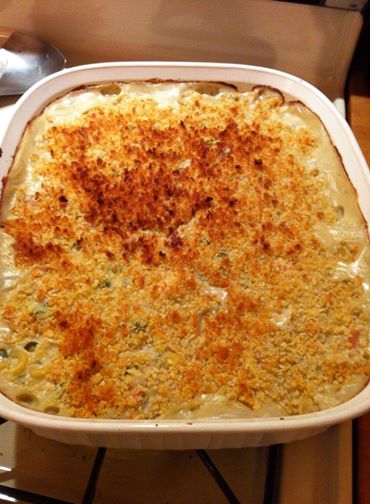
Mary, Jennie, and I all made tuna casserole recently. A harmonic comfort food convergence during a long winter? This one is Mary’s. (Credit: Mary Birdsong)

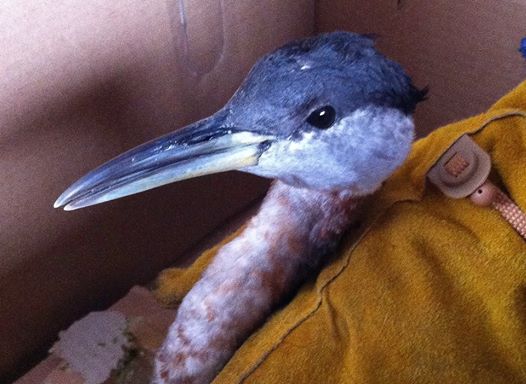
We laughed a lot, but Mary was swimming upstream. In recent days she’d rescued an injured red-necked grebe, took all the right steps to give it a chance at survival, and returned it to the water. When she checked on it the next day, it was floating. Damn.

1689651_10203505338738926_421648149_n-1

This red-necked grebe looked good, but didn’t make it. Watch out for that beak! (Credit: Mary Birdsong)

As Mary talked, I remembered the story of a man who traveled to Calcutta to volunteer with Mother Teresa. He presented himself to the future saint, who took him out to the streets, where they came upon a destitute man curled up on the ground. She asked the new volunteer to pick up the man. As he did so, he found that the man had lain so long in the same position that his skin was stuck to the pavement. As the volunteer held the dying man, Mother Theresa said, “The body of Christ.”

Terrible—and lovely! The story is redemptive only because of the denouement: the man, who left skin behind, died surrounded by love and care. Not alone. Not forgotten.

“You’re the Mother Theresa of birds,” I told Mary. That’s much of what Teresa of Calcutta did. She and her sisters gave the forgotten gentle deaths.

I didn’t blame Mary for being down. Her last three rescues didn’t make it: the grebe, a herring gull, and a turkey vulture, whose story she shared on her blog. Here’s an excerpt:

Sitting on the ground, unable to fly, was a young Turkey Vulture, with some white down still visible on its back and sides. It was huddled at the base of a tree, obviously injured and barely moving around. I called Tamarack Wildlife Rehabilitation and Education Center, they agreed to take it and with their help I hatched a plan for catching it. Anne Desarro, a park naturalist generously agreed to help and soon arrived with gloves and tarps for securing the bird. I had a box in the back of my truck. After several attempts, we eventually cornered the bird and I wrapped it in the tarp. It calmed down in my arms. It felt much lighter than anticipated. In the process of the catch we both discovered that its injuries were far worse than we first thought; most of its right wing was missing. We both knew that Tamarack would probably have to euthanize it due to the severity of its injuries, but we agreed that I should still take it.

TUVU

A turkey vulture, soon to be granted a peaceful end. (Credit: Mary Birdsong)

We put it in the ready box, secured the lid and I headed out for Tamarack. When I arrived, the rehabber on duty agreed when I explained the injuries. They deftly and gently prepared the bird for its last. 

The rehabber asked if I wanted to stay. I learned many years ago that I should always stay at moments like this. I had a cat named Buster who was one of my greatest delights. He developed cancer and at the tender age of three needed to be put down. Thinking that I could not bear it, I elected to not be in the room with him when they injected that shot. I still regret that decision and will always feel that I abandoned him at his most vulnerable moment. And I learned that love is not selfish.

I said yes and reached out, putting my hand on the vulture’s chest. It was breathing hard. Slowly, though, it became more shallow. Eventually its chest stopped moving. The room was quiet and filled with respect for such a magnificent bird that did not get to live very long. Eventually, the rehabber said to an intern, “you can let go of its legs now.” 

As I re-read Mary’s account, I’m alone at home on Saturday. The only sounds here are a warm hiss and crack from the fireplace and Watson making old dog smacking noises with his mouth. I read again: “They deftly and gently prepared the bird for its last.” “My hand on the vulture’s chest.” “Love is not selfish.”

Am I morose for receiving these words as a gift? In my particular vocation I see lots of lasts, so when a mindful, loving, gentle death reveals itself, I close my eyes, breathe in and breathe out. How many earthly endings look like a crushed beer can by a dusty curb? This vulture died with a reverent sister blessing its chest. My joy is gray, but it’s joy all the same.

lake

Joy can be gray. Presque Isle on Lake Erie. (Credit: Mary Birdsong)

Since coffee yesterday, a detail about that red-necked grebe has kept returning. Mary found the bird on a driveway late at night. Who knows why it was there? She said birds sometimes mistake concrete for water. She also said that a grebe can poke out your eye with one swift stab, which is why she approached it from behind. As she drew close, the bird looked back at her—no strength for defense.

1796566_10203347124943680_1600194933_n

The grebe looked at Mary.

On a winter night, a wounded grebe glanced over its wing at Mary. The image won’t leave my grateful imagination alone. Maybe it’s just me, but world news lands heavily on my heart. (I understand that we—the United States—have flown fighter jets to Ukraine to say hello to Putin. Sigh.) The grebe died, but that’s not the point.

All the birds Mary tries to help can end up floating or put down, but each one is still saved. When Mary and her fellow birders tend the healthy and rescue the languishing, they lay a tender hand on creation’s shoulder. This isn’t poetry! When the grebe looked at Mary and she looked back, the planet saw and whispered, “Thank you, bird. Bless you, sister.” I’m sure of it.

599px-The_Blue_Marble

Grateful for a dying grebe and a woman connecting? A vast planet? Absolutely! (Credit: Wikimedia Commons)

Confessional Prayer of a Napping Pastor

Dear God:

Naps lately haven’t been as long and lovely as in the past, which is a good thing, I suppose. For years one worry after another choked my spirit, but now I’ve caught my breath. Kathy is in a good space, even though I constantly test her patience. Our children seem to have outgrown their respective insanities. Former Goth girl Elena married wise, gentle Matt, and they’ve come up with our grandson Cole. And Micah hasn’t shot up for over eighteen months. When I lie down these days, siestas aren’t for escape, but refreshment.

42-49497982

6:00 p.m. Fewer pancakes, same amount of syrup. Forgive me, Lord. (Credit: Dieter  Heinemann / Westend61 / Corbis)

Tonight all of us will meet at the church for Shrove Tuesday pancakes and sausage. I’m having real syrup, but promise to take extra insulin. The food will be delicious, but all of us together fussing over Cole will be the main course. Then, back at home, I’ll enjoy the fruit of the vine—for medicinal purposes.

42-50572362

Just a splash, Lord. (Credit: Walter Zerla / Blend Images / Corbis)

At the moment I’m sipping strong, sweet coffee at Starbucks with the regulars. Alan showed up a few minutes ago. As always, my hands said namaste, and he bowed. Breathing in. Breathing out. I’m not suffering.

God, you probably already know what’s on my mind, but just in case, I have a confession:

I’m grateful for this day: for the stubborn solo digit Fahrenheit air, for my 6:45 silence with you, for this coffee, for hours ahead that don’t threaten me, for more love and mercy than I deserve. But I still look over my shoulder, still twitch when the undergrowth rustles with one more emotional ambush. A Paul Simon song states the truth:

When something goes right

Well it’s likely to lose me

It’s apt to confuse me

It’s such an unusual sight

Oh, I swear, I can’t get used to something so right

Something so right.

The deal is, Lord, I’m trying to get used to not constantly feeling anxious and shitty. When we sit together, I think you whisper into the ear of my heart: “Relax, John, and live. Relax and live.”

Benedict_of_Nursia_(painting)

I hear your Saint Benedict’s instruction, Lord: “Listen with the ear of your heart.” (Credit: icon by Clarisse Jaegar; photograph by Eugenio Hansen, OFS; on Wikimedia Commons)

If I started saying thank you right now and gave the rest of my days to repeating it, I couldn’t pile up enough thank you’s to cover my present gratitude. At the same time, I have to pray the truth. I don’t believe you dispense today’s blessings any more than you orchestrated yesterday’s despair. I might be wrong on this, but these assumptions aren’t behind my thank you’s.

Some of my brothers and sisters talk about having a personal relationship with you, but I can’t make us work that way. You know! I don’t ask for favors. I roll around in you. Your wind-song moves over my skin. You don’t “maketh me to lie down in green pastures” and “leadeth me beside the still waters.” You are my green pastures and still waters. I breathe you in. I breathe you out. And when I do pray that you grant me something concrete, it’s a desperate beggar talking. Oh, Lord, you know.

42-32943067

Hi, Lord. (Credit: Yi  Lu / Viewstock / Corbis)

Why am I telling you all this? I don’t understand myself. Maybe a crevasse in my soul finds warmth in being honest with you. When Micah was a junkie, I never blamed you. I did wonder—within the cosmic economy—why such a demanding son ended up with such a fragile father, but not once did I say, “God, why did you do this to me?” And as I sit here today, my gratitude for how well that man-boy is doing doesn’t mean that I think you said, “Okay, John’s suffered enough. I’ll make his son clean.”

I say thank you not because you guide me to lost keys and make my diabetes go away, though I’m fine with any help in such arenas. I say thank you because I feel you near. When I close my eyes, as I do now, and calm myself, a wordless voice speaks–yours, I suspect: “John, John. I’m here. Don’t look up. My hands hold the stone of grief in your chest. My lips kiss your face, creased with joy.”

42-40693152

Is that you, God, breathing? (Credit: Gary Weathers / Tetra Images / Corbis)

Another truth: moments pass now and then when I’m afraid I’ve made you up, and the Milky Way’s swirl is nothing but dust and light. So I’ve got no choice, God, but to give myself and all I love to you, even my belief. I’m your grateful, confused son, liking this coffee, planning on a light nap at 2:00, looking forward to cradling our grandson over pancakes tonight, and doing my best to let you be my close Mystery, my green pasture in tears and gladness.

Amen

A Letter for My Grandson’s Memory Book

Dear Cole:

Three times today, tears have caught in my throat. They came in bed this morning while your grandmother was still asleep. A cry sat in my chest—the ghost of old grief? I remembered Kahlil Gibran’s words: “Joy and sorrow are inseparable . . . together they come and when one sits alone with you . . . remember that the other is asleep upon your bed.”

Photo on 3-1-14 at 1.59 PM

Some days are just this way, Cole, but they pass.

Tears came again in the truck as I listened to Paul Simon‘s “Father and Daughter.” When your mom and dad got married, your mom and I danced to this song. Before that day, October 2, 2010, I worried that the father/daughter wedding reception dance would be awkward, but those were three of the happiest minutes of my life. Everybody else in the hall disappeared; it was just me and Elena. We talked, I don’t remember about what. I rested my lips on her head. At the bridge, we sasheyed. We worked our big old hips, kiddo. Anyway, as I drove along, Simon sang and strummed, and I remembered and blinked back water.

IMG_0856

A picture of flowers? Actually, my soul while dancing with your mother.

And a few minutes ago tears accompanied my Starbucks coffee. I was listening to another Paul Simon tune, “You’re the One” and thought of you:

May twelve angels guard you

While you sleep.

Maybe that’s a waste of angels, I don’t know

I’d do anything to keep you safe

From the danger that surrounds us

There’s no particular danger surrounding either of us, but your face came to mind, and that’s generally enough to get me verklempt.

You cry a lot these days, Master Trouble Trunks. People who love you are always trying to figure out why. Hungry? Tired? Where’s Mommy? Irritated bum? A stubborn little rectum rocket? Sometimes I bet you just miss being inside your mom, where the gentle universe was shaped like your body.

photo

When the gentle universe was shaped like your body.

But I don’t know. Something’s going on inside me; past tears I neglected could be offering me another chance to honor them. You’ll have days like this, too, when you’re either over the moon or in the lonesome valley (or both!) and haven’t a clue why. Maybe there are human equivalents to earthquakes, tsunamis, and hurricanes. Anyway, since I can’t understand myself, don’t plan on me ever explaining the wonderful, goofy person you’re sure to become. I say that in love.

You can bet your life on this, though: for as long as I can, I’ll keep doing what I’m doing right now: loving you with a love that roars silently, that looks into your eyes and sees what blessings are swirling around in your presently gaseous self, that hopes you’ll see in my baggy eyes your birthright: every soul deserves to be held in a grandfather’s agape. Not every soul is so fortunate, and if I’m right about your other grandfather, boy-oh-boy, are you ever in for it.

IMG_1319

Look at your mother’s and uncle’s dreamy faces. That’s because of you, you know.

Someday you’ll wonder what your first months of life were like. On one of those crappy-for-no-good-reason days of adulthood, you’ll think, “What the hell’s up with me? Did someone do me wrong? Did one of my relatives keep pinching me? Did a mystery person holding me whisper, “Everybody fusses over you, how cute you are, but listen here: you’re a hideous little dope”? No, no, and no. You’ve had more love directed at you in three months than lots of people get in a lifetime. No kidding!

IMG_1373

I actually took this one when you, your mom, and I had lunch one day. You were a happy little man.

Every single day, your mother sits you somewhere comfy, says something like, “Who’s Mommy’s lil bootie bootie boo? Is he going to smile for Mommy today?” then snaps five or six hundred pictures. At mid-morning, a few of the best ones hit the inboxes of people who love you. When your dad gets home, he makes you laugh and squeal. Both of your parents are beyond thoughtful and patient. And pretty much wherever you go, people crowd around you and get remarkably weird. Example: yesterday after lunch your mother and I sang “I Been Working on the Railroad” to you, even harmonizing on “strumming on the old banjo.” The last stanza’s a bummer, so we skipped it.

When you read this for yourself, hear a message from before your memory got started: Your grandpa prays on March 1, 2014, that the crazy, silly love surrounding you now will reside in you after your hair has come and gone, and that it will rise on those days when you are a stranger to yourself and remind you of my eyes, always finding the sacred Cole.

Photo on 3-1-14 at 2.09 PM

Someday you’ll want to hide your goodness from me. Go ahead and try. I’ll see it anyway.

Love,

Grandpa John

Misgivings of a Cosmos Hugger

220px-Carl_Sagan_Planetary_Society

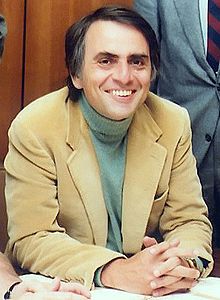
Carl Sagan, who had “billions and billions” of fans. (Credit: Wikipedia)

Good old Wikipedia tells me that “tree hugger may refer to a slang, sometimes derogatory, term for environmentalists.” If people consumed with ecosystems are dismissed as tree huggers, then you can write me off as a cosmos hugger. I’m in love with and worried about our whole existential collect: ginkgo bilobas, Carl Sagan, black dogs, harvest moons, avocados, even my neighbor who scraped his shovel as loudly as possible across the street in front of his house to clear 1/8 inch of snow—at 6:40 this morning, while I was enjoying in-breaths and out-breaths in the Ultimate Presence. Breathing in, I hear my neighbor shoveling. Breathing out, I smile at my $%#@ neighbor.

Because of my cosmos-huggerly love for neighbors of all shapes and sizes, all animals, vegetables, and minerals, all solar flares and black holes, I’ve had misgivings about the implications of several news stories in recent years. The following goodbyes and greetings have me stroking my beard and raising a cautionary finger.

Pluto Is No Longer a Planet.

220px-ESO-L._Calçada_-_Pluto_(by)

Computer-generated impression of the Plutonian surface. (Credit: Wikipedia)

The demotion of our distant neighbor Pluto is actually old news, but I still haven’t accepted it. Back in 2006, news.nationalgeographic.com reported that “the distant, ice-covered world is no longer a true planet, according to a new definition of the term voted on by scientists.” And what is a planet? “A full-fledged planet is an object that orbits the sun and is large enough to have become round due to the force of its own gravity. In addition, a planet has to dominate the neighborhood around its orbit.” Pluto, it turns out, is a scrawny hunk of ice with an “untidy” orbit.

Plutodog

Mickey Mouse’s dog Pluto. (Credit: Wikipedia)

The scientists’ definition is based on buff rather than character. The report notes the trouble ahead—I’m not sure how/when it was handled. Now a dwarf plant, Pluto will have to be written out of textbooks, an expensive proposition. I’m ambivalent about other important, but cheap problems. 1.) We can no longer remember the planets in order by saying, “My Very Excellent Mother Just Sent Us Nine Pizzas.” Now we’ll have to go with the same sentence with nachos or nectarines at the end. Either option is feeble. And 2.) What are we to do with Mickey Mouse’s English Pointer? Call him Neptune? Harrumph. So if the eighth planet is exiled, we’ll have a dog named Uranus? Imagine children at Disney Land pointing and shouting that. I vote we consider Pluto at least an honorary member of our solar system.

Okay, Who Made Off with My Cents Symbol?

I’m not such a grump as to expect to find the cents symbol, ¢, on my MacBook Air keyboard. There’s not much use for it anymore. Charlie Anderson offers on his website a detailed explanation for ¢’s disappearance—too detailed for this appreciation. In short, with the advent of computers in the 1960’s, engineers started fussing with keyboards, and pennies weren’t the only layoffs: “Three handy fractions were [also] cut: ¼  ½  ¾. This makes sense, especially when you consider that the ASCII [the American Standard Code for Information Interchange] committee was composed of engineers. I’m sure they thought, in their engineer’s way, ‘Why have ¼ but not 1/3?  And if we have 1/3, then why not 1/5?  Or 3/32?’ Similarly, the committee apparently found $0.19 an acceptable, if somewhat obtuse, way of expressing the price of a Bic pen. At any rate, the popular and useful cent sign didn’t make it.”

I have two kvetches about the ¢ issue. First, including “¢” in this text required over ten minutes of noodling around on the Internet for instructions. Yes, there is a generic cent symbol, but it’s clunky; it fits in like a welder’s mask with a prom gown.

US_One_Cent_Obv

Rolling into the sunset. (Credit: Wikipedia)

My second misgiving hasn’t come to pass, but it’s inevitable. Now that ¢ is becoming obscure, its main tenant faces eviction. RetireThePenny.org is leading the charge. MIT Professor and site founder Jeff Gore says, “The penny has outlived its usefulness. Let’s retire it.” His suggestion deserves consideration. If, as Gore argues, a penny actually costs 2.4¢ to produce, and if, all angles considered, “the penny drains almost $900 million from the national economy every year,” then, well, points taken. Here are my cautionary fingers: 1.) Any time financial decisions get made in the land of the free, the wealthy seem to benefit. Just saying. 2.) This may be quack economic theory, but if the penny disappears, I bet nearly all costs will be rounded up to the nearest nickel, dime, quarter, or dollar. Price tags won’t get rounded down. Watch and see. And 3.) Penny wise and pound foolish would slide into oblivion along with a penny saved is a penny earned and other useful expressions. So let’s keep the penny, even if children born today won’t learn what ¢ means in grammar school.

Goodbye to John Hancock?

“Is Cursive Writing Dead?” So barks cbsnews.com, and with good reason. “The recently established Common Core State Standards, the standardized educational benchmarks for U.S. public schools, omit cursive as a requirement. Some states, including Indiana and Hawaii, had dropped cursive from their curricula in favor of keyboard proficiency as early as 2011.”

505px-Us_declaration_independence

“I don’t read cursive.” (Credit: Wikipedia)

I get this decision and can go with it, but my cosmic Spidey sense tingles. Yes, handwriting as a whole is diminishing, while cents-less keyboards take over. And I admit, writing with a pen or pencil for any length of time now hurts. Still, consider a devil’s advocate. At the trial of the neighborhood vigilante George Zimmerman, witness Rachel Jeantel was asked to read a letter. With “her head bowed, [she] murmured with embarrassment, “I don’t read cursive.” So when we no longer teach cursive in schools, we’re leaving behind not only writing in that script, but also reading it. Someday, the Declaration of Independence and the Gettysburg Address will be as accessible as cuneiform—sad. Also, learning cursive may nurture patience and attention to detail in young, attention-strapped minds.

Starbucks friend John disagrees with me on cursive, and he’s usually right. We’ll all just read translations. I won’t go down swinging on teaching curls and loops.

Name Public Places That Are Quiet.

The first place that comes to mind is the library, right? Not anymore, at least at my beloved local library. Ed Palattella of the Erie Times-News is only the messenger, so he’s not in my crosshairs. As he reports, because “it often does seem quite noisy and loud in Blasco Library,” Mary Rennie, the Erie County Public Library’s director, is “looking to set a little bit of ambience.” We’re talking “mostly ‘soft classical’ and jazz” over “the library’s overhead speaker system.”

800px-Burlingame_Library1

Shh! Burlingame Library, Burlingame, San Mateo, California (Credit: Wikimedia Commons)

Rennie is probably a bright, thoughtful person, but noooooooo! True, libraries tend to be soaring spaces in which sound echoes, but for once in my life, I’m in favor of stern figures with furrowed brows and zero tolerance. Palattella ends his short piece with this surrender: “Music at Blasco. It is a tune of the times.” I’m going to the mat on this one—not that it matters. In monasteries and libraries, silence is foundational. Posses of inflexible librarians should be sent as missionaries to convert the rude and blathering with tough love. Shhh!

Glassholes, Glassholes Everywhere?

Good Lord, if the Google Glass site I’m checking out right now is legit, residents of the First World are either doomed or blessed. You probably already know the idea: put on a pair of these techno-glasses and “Say ‘take a picture’ to take a picture.” Or “Record what you see. Hands free.” Or “Speak to send a message.” Or “Ask whatever’s on your mind.” Want to know how to say “half a pound” in Chinese? You’re covered.

220px-A_Google_Glass_wearer

Please look at me when I’m talking to you. (Credit: Wikipedia)

I’m all for immediate access to information, but my cautionary finger points down another path. Google warns us not to be glassholes: in other words, with wondrous technology propped on our noses, remember to “respect others” and “be polite.” Yeah, right. With the cosmos’ current text-messaging drunkenness, can we really expect ourselves to pay attention to our fellow human beings when the next message or the latest swimsuit edition of Sports Illustrated pops up in our face?

Could any technological advance be harder to manage? Well, yes. Consider the smart contact lens currently in development. “Imagine texting while driving,” writes Brian Snyder of Reuters, “or placing a call while showering, without holding your phone in your hands. It’s not sci-fi any more – a new technology allows information like text messages and driving directions to be projected onto a contact lens.”

200px-Bionic_contacts

Bionic contact lens. (Credit: Wikipedia)

Imagine what’s next. (Warning: I’m pushing the envelope!) You and I are making love, and I’m looking into your eyes. Only I’m looking into someone else’s eyes, a projection. And I look down and see another body. It’s flawless. Each mole and stretch mark is gone. Wow!

Enough. You get the idea and might call me a worrywart. Maybe so. But this cosmos hugger has misgivings. In a universe where the humble ¢ and icy Pluto are unworthy, where music passes for silence, are scarlet scars—they’re lovely, actually—on mothers’ bellies sacred? Won’t it be irresistible to eliminate saddle bags by seeing them with artificial eyes?

What good is the cosmos when we can see constellations without looking up at the sky?

A Poem: Exodus

Exodus

March: these three

song sparrows

head in a line–

wing to wing

and keeping their counsel–

toward the leafless hills,

which themselves follow

one another

into the distance.

Trailing this delicate

gray exodus,

I hear the wind

for an instant

unburdened by

trucks or voices.

Only the mist

from my own lungs

offers the necessary

whisper in the silence.

Sparrows far off now,

I watch for others,

praying they’ll sing

me a route I can

thoughtlessly recall.

42-45883470

When you take off, please sing to me. (Credit: Patryk Osmola / National Geographic My Shot / National Geographic Society / Corbis)

Note: This poem originally appeared in slightly different form in Southern Poetry Review (Fall 1991).

Micro-Post: The World Is Pulling My Leg

At the Millcreek Mall, Micah and I pass the Food Court and a pet store on the way to the E-cig kiosk. Smells: from Subway to General Tso’s chicken to pizza to a chemical cleaner that’s no match for pet poo.

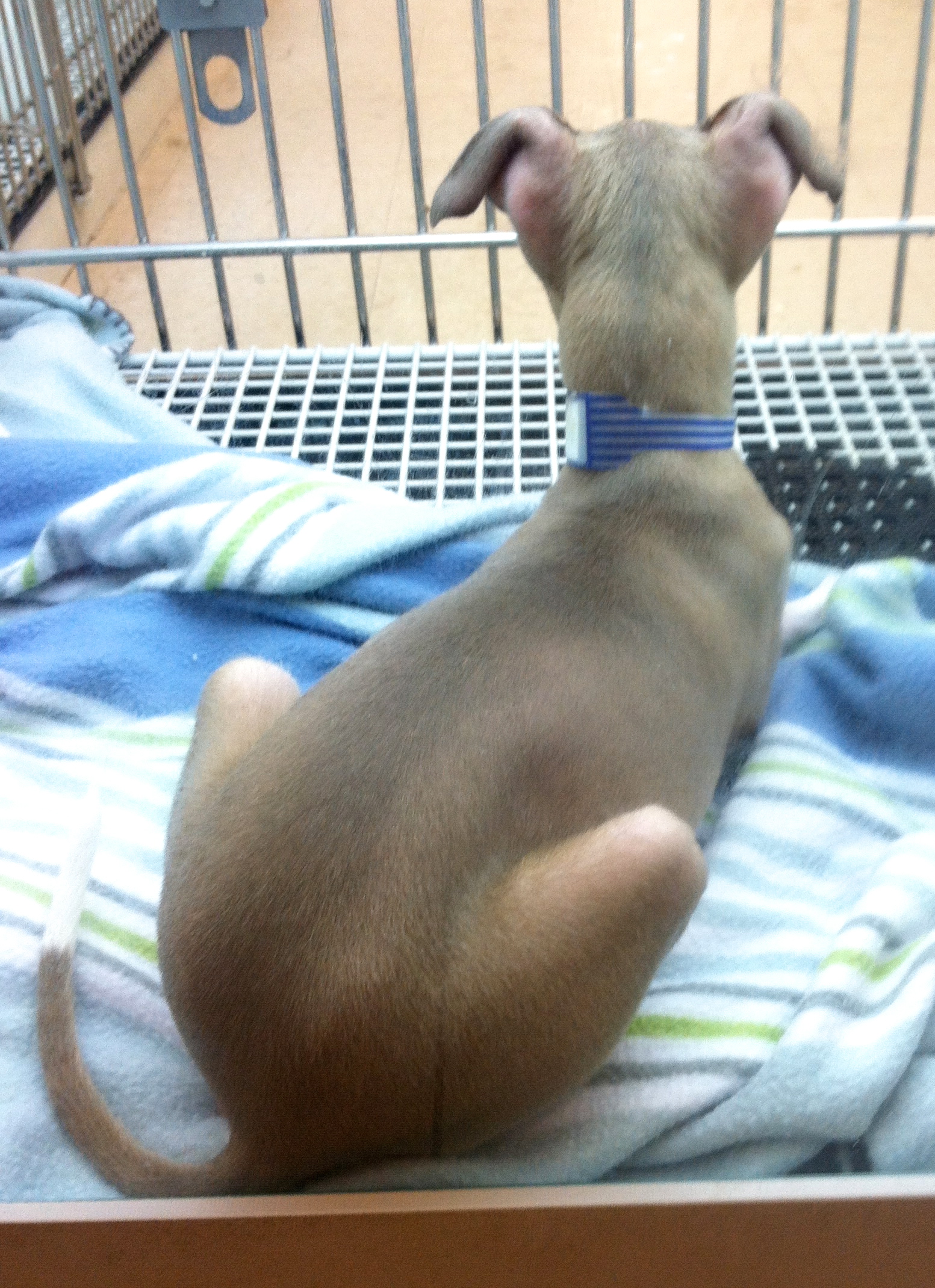
A couple of kids play with a pup–maybe a Weimaraner, not sure–through the glass. The transaction seems friendly. The kids aren’t taunting; the dog’s having fun, spinning, reaching its paws toward them.

As I wait for Micah to pick up his cappuccino-flavored liquid tobacco, I begin to feel as though I’m from another world. Earth is pulling my leg.

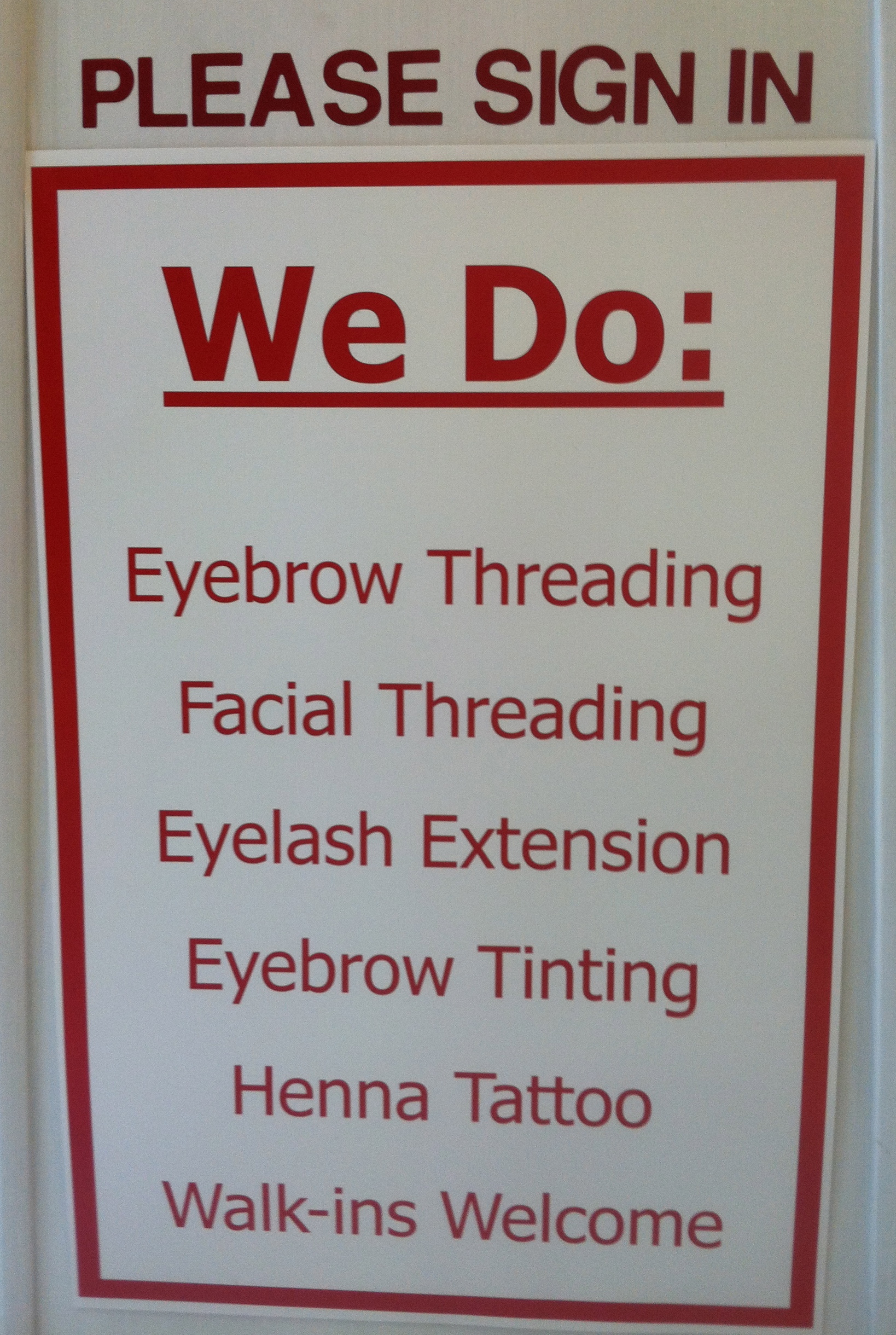
In front of me is an establishment devoted mostly to eyebrows and eyelashes.

IMG_1398

“Oh,” I think, “you can get some kind of fabric woven into your eyebrows if you want them darker or you can make a weak mustache sturdy with facial threading.” But an eye-hair business? In this world, gracious, what you can buy!

After Micah pays, we head back the way we came. “Can you believe it,” I say, “a place where all they do is weave fake hair into your eyebrows and grow your lashes?”

“Uh, Dad,” Micah says, “I think with threading they roll thread over your hair to pull it out.”

Ah. Duly noted.

Back by the pet store, the kids are gone. The dog is lying in its cage–looking for more kids?

IMG_1399

In this world, animals that we consider friends are for sale. Dozens here alone, like sofas or flat screen televisions.

We sell what can love, fear, even save. And we micro-manage our eyebrows.

Dear World, please stop fooling around. Some of these jokes make me tired and sad.