Oniontown Pastoral: The Relevance of Canning Tomatoes
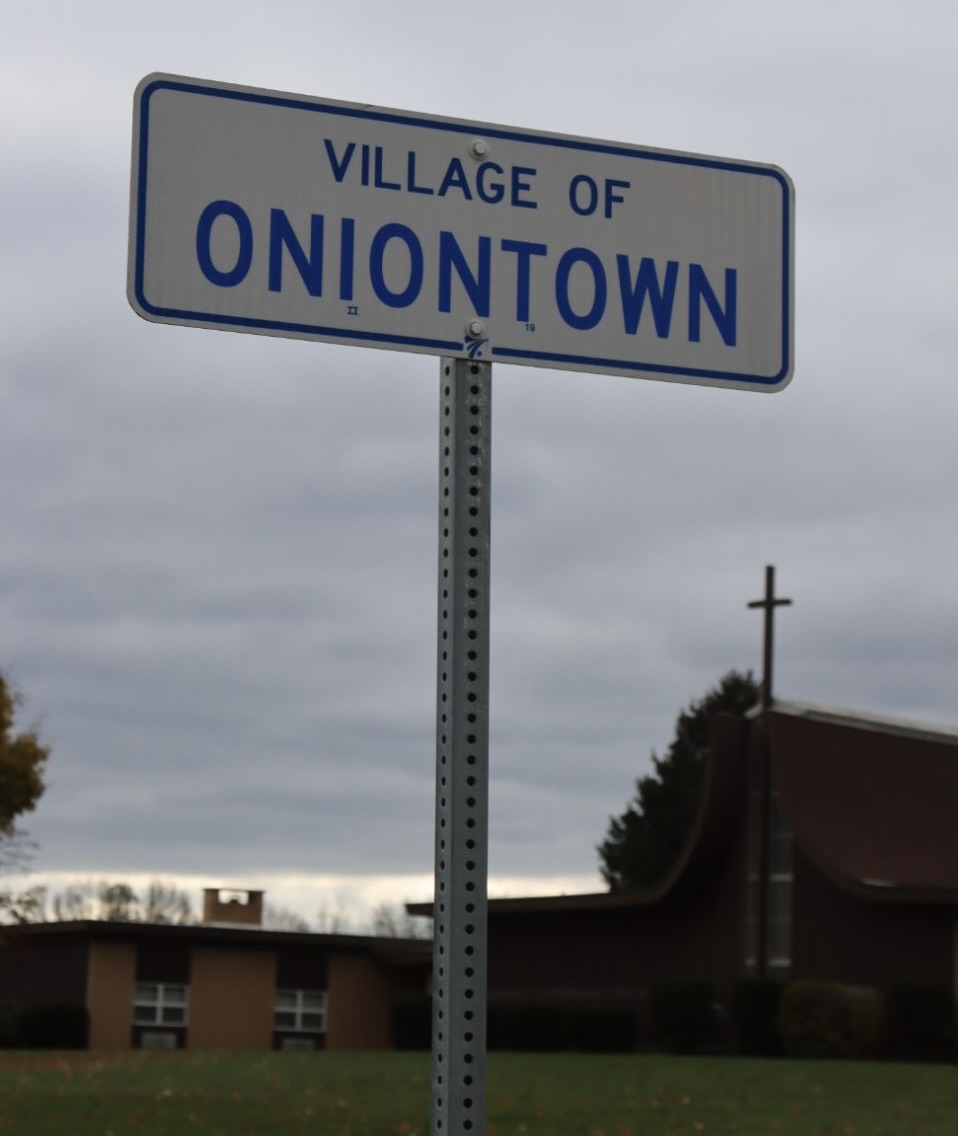
Halloween is finally over. You could be forgiven for thinking that the season of snack-size candy bars and costumes wrapped up on November 1st, but on Grandma Kathy’s Farmette, the most playful holiday of the year is finished only when my wife says so. As of November 20th, the faux wrought iron fence surrounding the make-believe cemetery is all that remains of the riot of spooky delight that Kathy and our son Micah spent six weeks constructing in our yard. The greatest component of the playground was a maze that obstructed two-thirds of the view from my writing hut. Every year a mob of children and their parents show up for a party of renown. Little jaws drop. Squeals and wows are the witchy hostess’s accolades. Trust me, this party is a big deal.
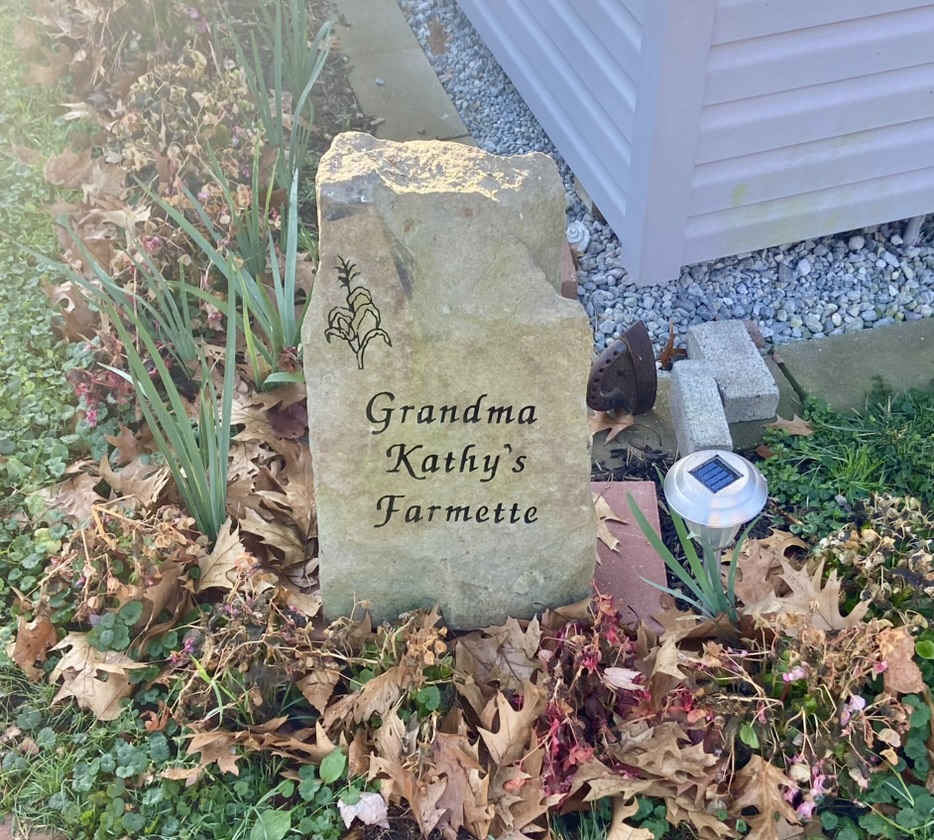
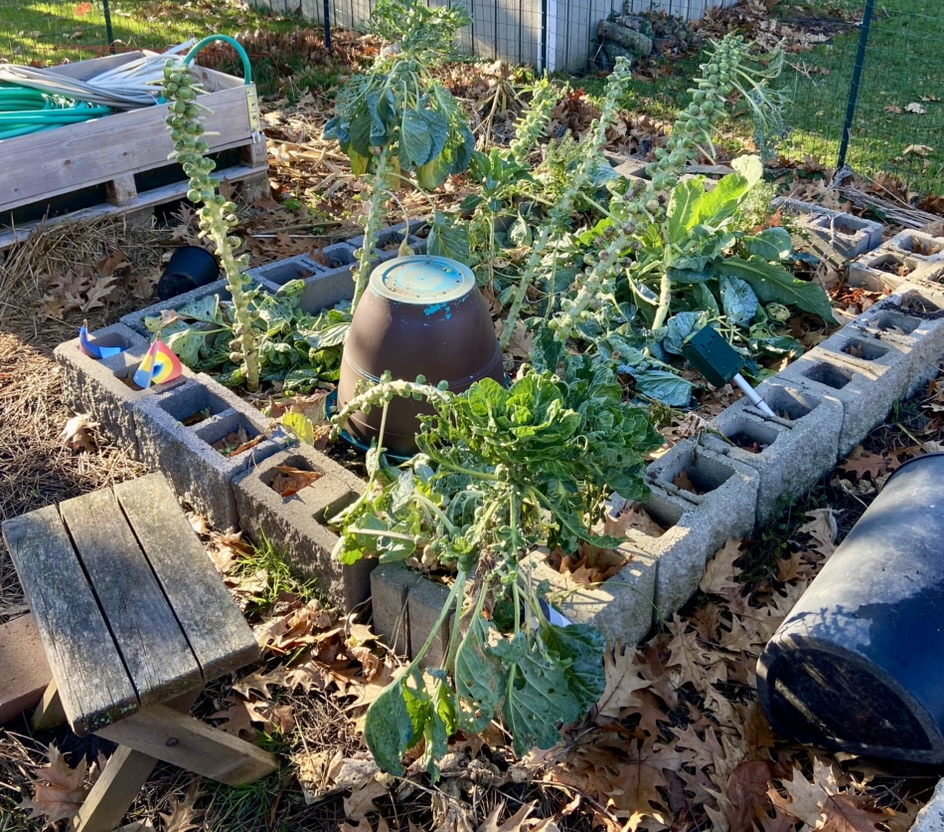
As the calendar has it, Halloween’s passing coincides with the garden’s last gasp. Steadfast Brussels sprouts await picking, but all else has been gathered in. Kathy could easily turn tending her raised beds, flower plots and Zen patio into a full-time job. Nobody acquainted with my wife wonders what matters to her. Relationships come first—our three grandsons are her bliss. She also lives to make the world fun, lovely and nourishing. I’m a fortunate husband.
This morning I’m taking in what is always for me the peculiar calm that follows a stretch of overstimulation. That’s how these days after party and harvest—and it would be evasive not to mention, presidential election—sit with me now. Russian composer Mieczysław Weinberg’s melancholy cello sonatas match the stillness and unusual autumn fog out my window. I’d never heard of Weinberg, who was harassed and imprisoned briefly during Stalin’s antisemitic purges, but he and Dmitri Shostakovich, whose name is familiar, met at each other’s apartments and played their compositions.
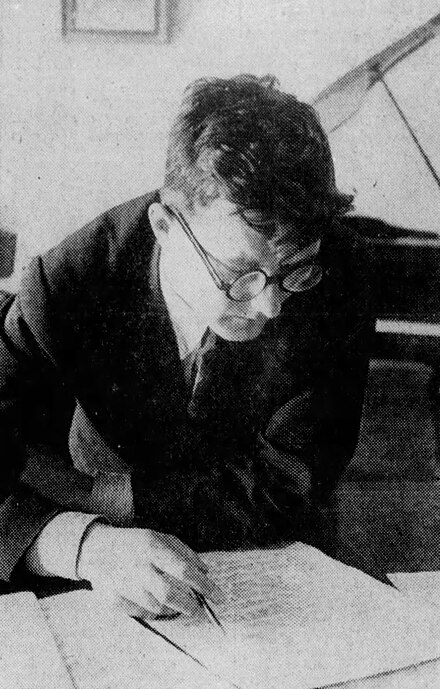
Solo cello is hardly workout music. The deep, throaty strings might accompany a film character who is pacing a dimly lit room—velvet maroon drapes down to the floor—and negotiating with his present reality. “What is there for me to say or do?” this protagonist wonders. “I’m not sure how to be relevant anymore.”
He’s not the sort who would ask an Oniontown pastor’s advice, but if he did, I’d say with a sigh, “Well, comrade, if you can’t be relevant, at least you can be quiet.”
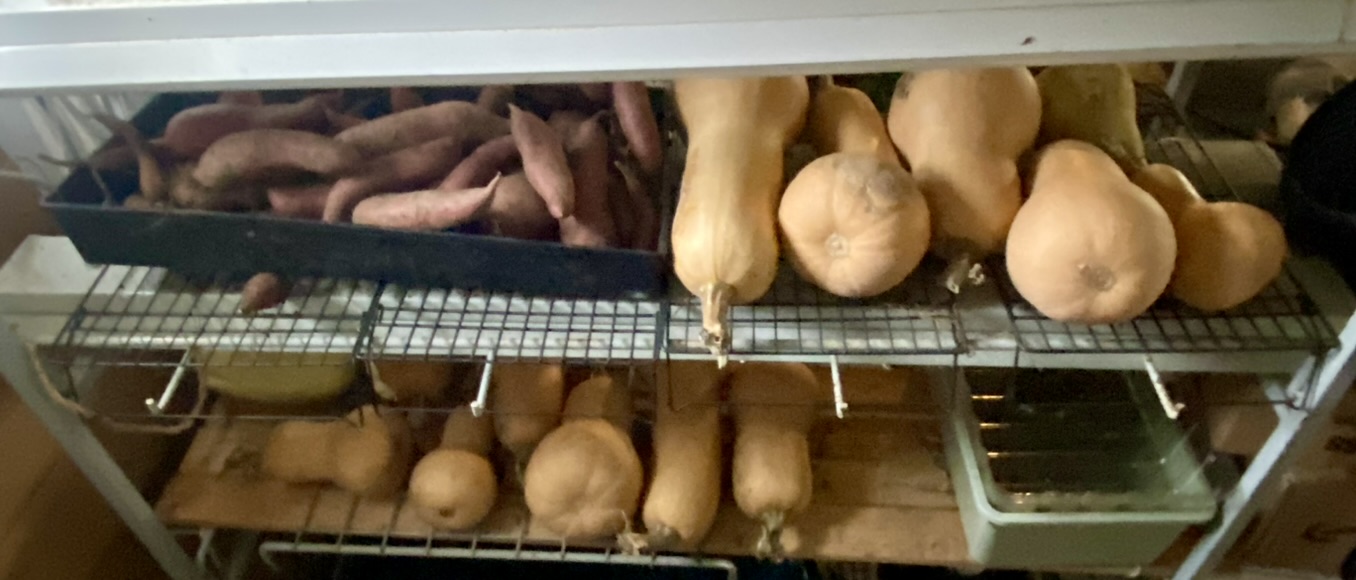
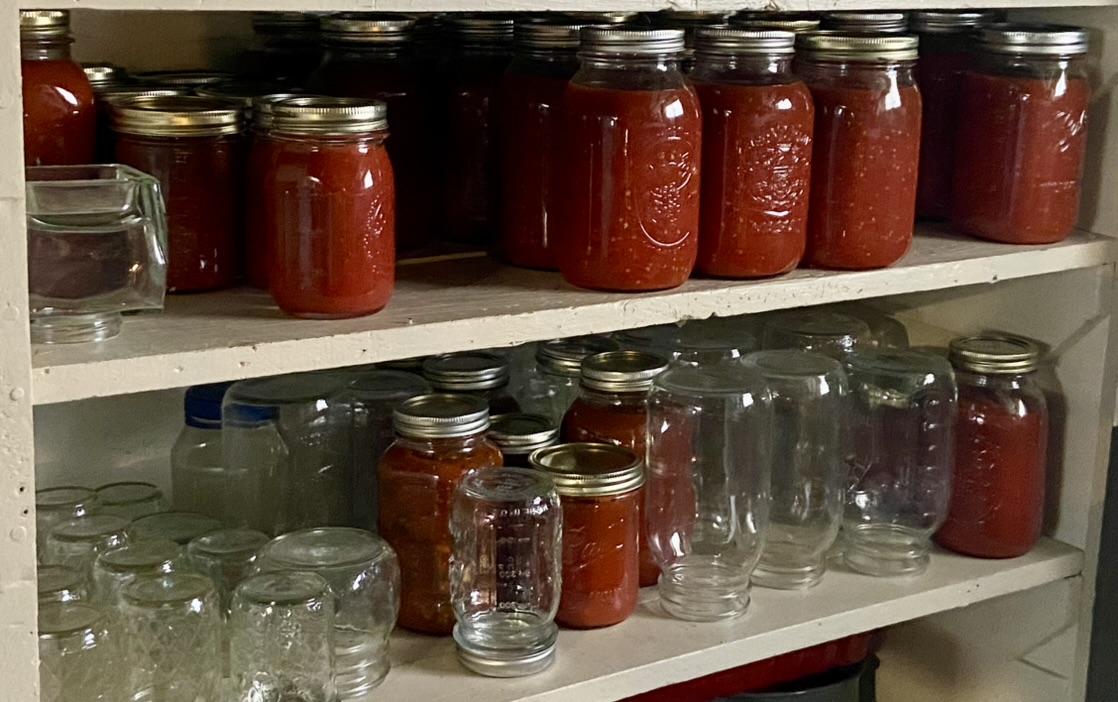
Then I’d take him by the elbow from his gloom and show him one of the most relevant things I know. Down in the Coleman basement are the fruits of Kathy’s labors. Two dozen butternut squash sleep on their sides next to a flat of sweet potatoes. An admirable collection of onions and garlic is ready to serve our aromatic needs. And most opulent to my eyes, thirty quarts of tomatoes shine from their shelf in a dingy corner.
“Have you ever noticed how beautiful a jar of tomatoes right from your backyard can be?” I say to this movie character who is now a friend.
I pretend to be Shostakovich; he can dress up as Weinberg. (This is my imagining; I get to be the famous one.)

“Stop me if I’m boring you,” I say.
Weinberg is looking at the jars. He manages a half smile and shakes his head: “Go on, Shostakovich.”
“Once they start coming in, you have to can or freeze. You’ve got to keep up. For a couple of months, Kathy was cooking and canning, cooking and canning. Have you ever walked into a kitchen where tomatoes are bubbling on the stove? The smell, Weinberg! Do you know that smell? There’s something upright and honest and wholesome about it.”
He finally looks at me, his brow drawn: “I thought you were going to explain how I can be relevant. Why are you getting all poetic about tomatoes? And you’re about the furthest thing from quiet I’ve ever seen.”
I nod: “Touche, my dear Weinberg. When you go back home and resume pacing, would you do me a favor?”
“I can try.”
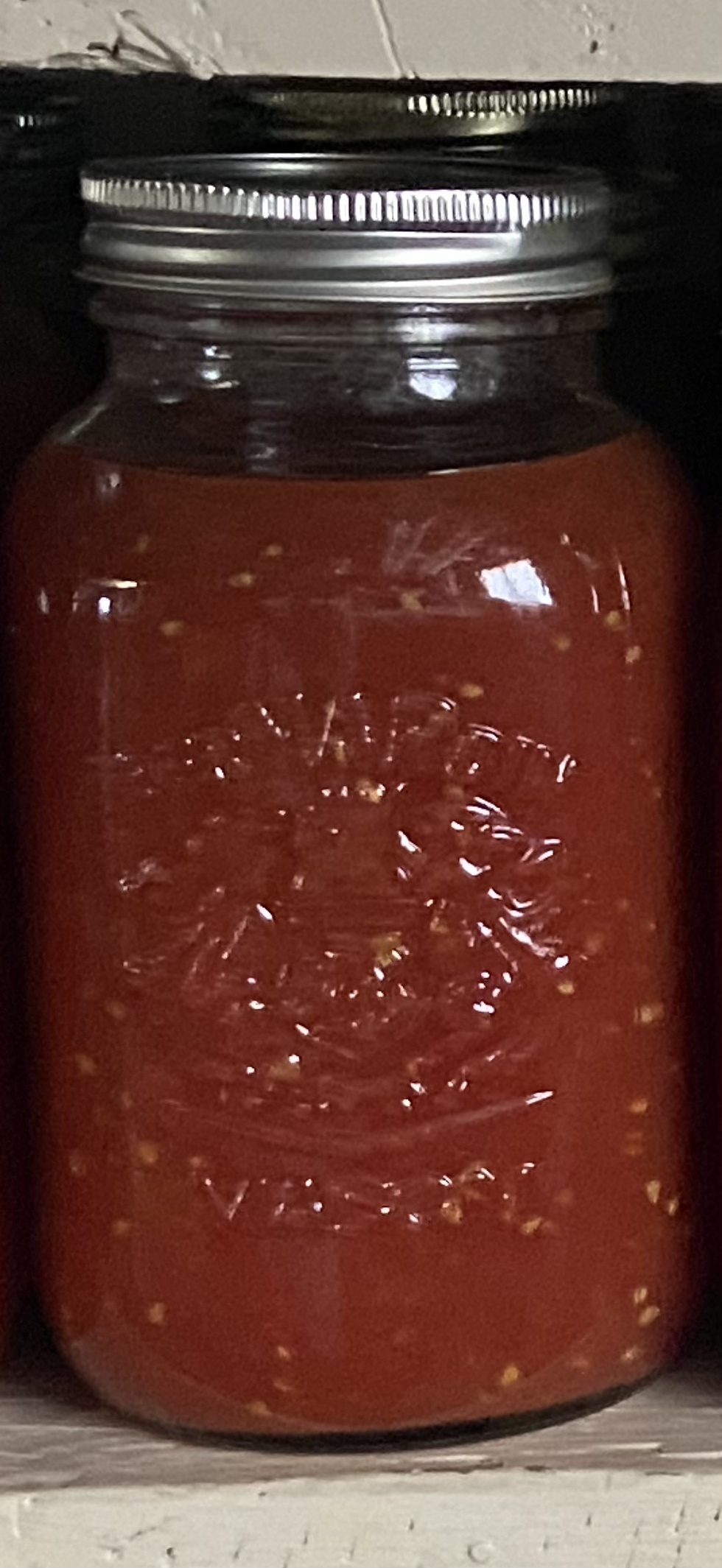
I hand him a jar of tomatoes. “Open your drapes and set this in the light. You wonder what there is for you to say or do. Remember that the reality you’re caught up in right now can’t stop the sauce you make from being delicious. And you can stop by my house with your cello. We’re friends, right?”
“If you say so, Shostakovich.”
“Well, you want to know what’s relevant, right? Friendship, food, and music, that’s what I say. Come what may, these won’t change a thing, but they’ll stand us in good stead, all the same.”
 A Napper's Companion
As a regular recipient of Delicious Things from Kathy’s Garden, I vouch for their wonders—just used the last of the last half-jar of tomatoes in our own spaghetti sauce, and THAT’s what made it special.
Something I didn’t mention in the post is how much Kathy loves sharing what she grows. Such cool beans–as it were.
Wonderful and Peaceful, John.
Thanks much.