Confessions of an Itinerant Contemplative

I consider it an outrage that I woke yesterday morning with the well-intended but terrible song “To All the Girls I’ve Loved Before” playing in my head. Who sang that? Was it Placido Domingo and John Denver? No. That was another sweet one, “Perhaps Love,” or as Placido sang it, “Puh-da-hahps Love.” Was it Willie Nelson and Domingo? Close. Willie Nelson and Julio Iglesias!

JulioIglesiasAndWillieNelsonToAllTheGirlsI'veLovedBefore7InchSingleCover-1

Okay, Boys, Show Us Those Irresistible Smiles (Photo Credit: Wikipedia)

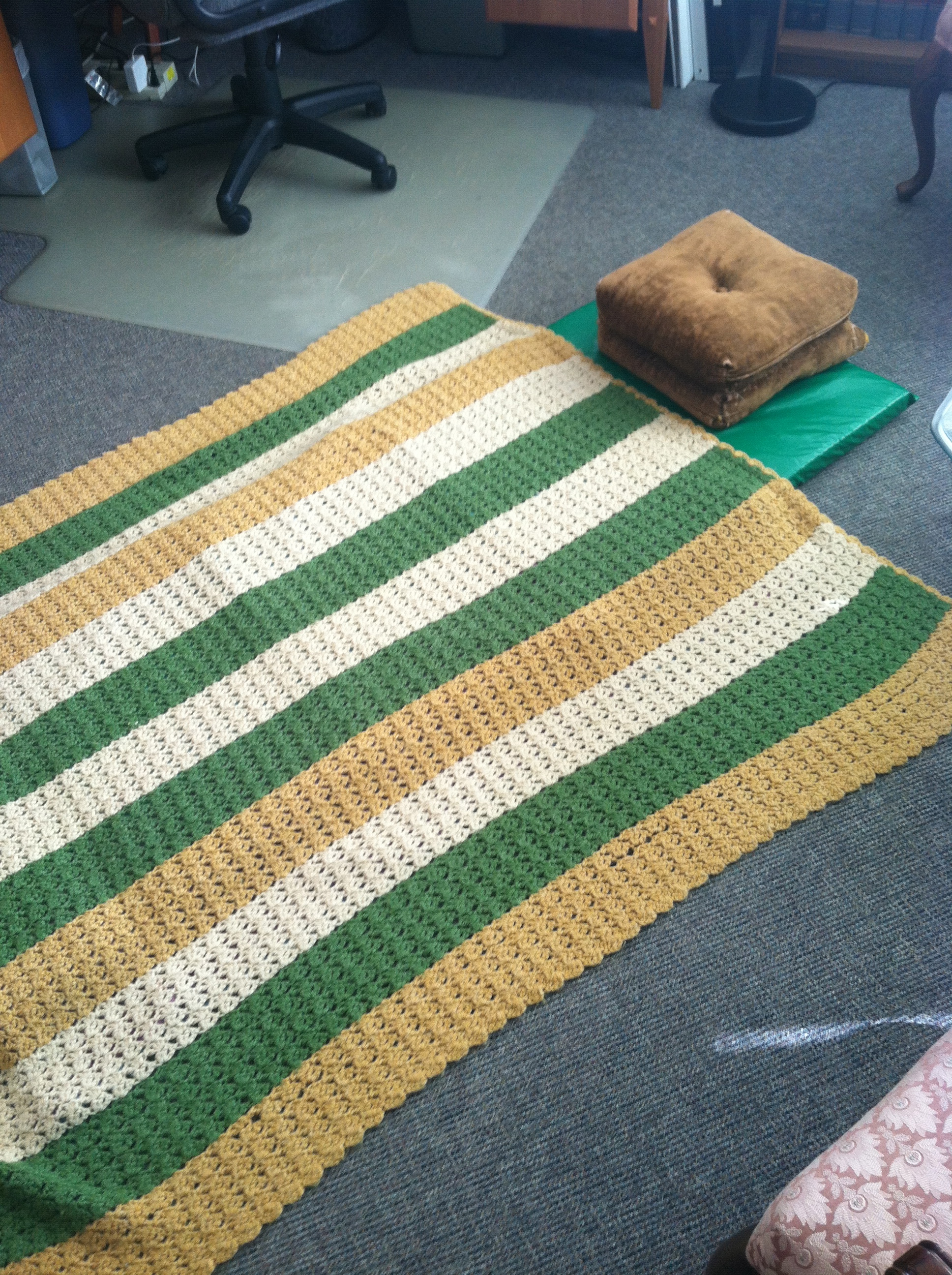
I wish the tune would go away, but I’m grateful for the thought it coaxed out of me. In their hit, Willie and Julio take on the character of itinerant Don Juans, loving a girl at every stop on tour—oh, brother! Wherever they go, they love. I, on the other hand, am an itinerant contemplative, praying and napping (my two requirements for contemplation, anyway) wherever I go. All I need is a decent spot to sit or recline.

Years ago most midday rest came at home, but now the pastor’s study regularly hosts blessed oblivion, as does the car if I’m faced with a long wait. And, of course, travel has never prevented napping. I’ve taken siestas in cars and on buses, trains, and ships, but never on a plane–too nervous. I’ve probably napped in over half of the fifty states. In the next few years I hope to nap in Europe.
IMG_0253

An Office Napping Spot, Set Up in Thirty Seconds

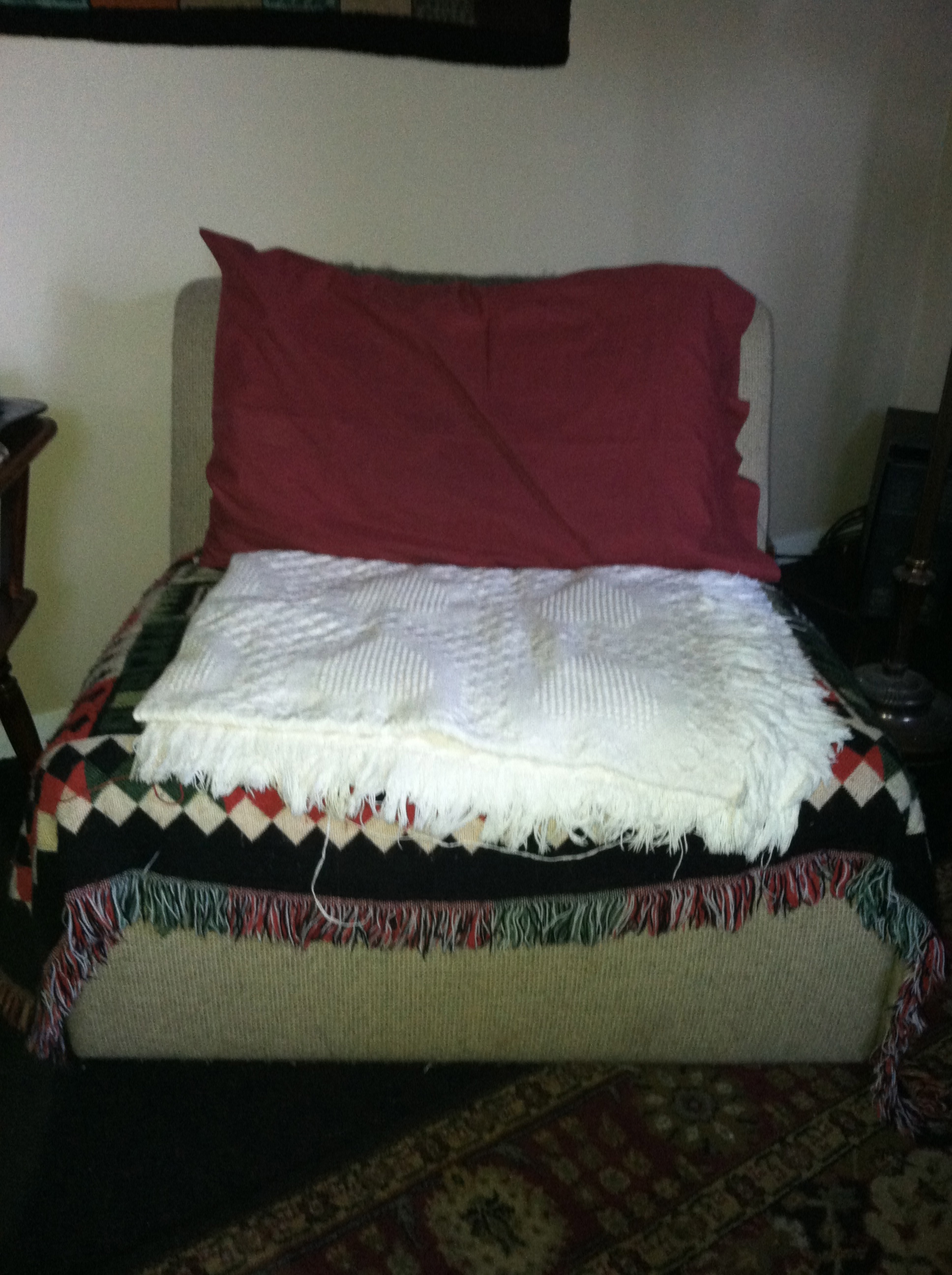
And prayer: I’m apt to pray wherever I can sit down.
IMG_0514

Beloved Home Prayer Chair

IMG_0515

Pillow That Turns Bed into Prayer Chair

IMG_0517

A Quiet Nook at the Wellness Center

IMG_0522

Prayer Chair in the Messy Pastor’s Study
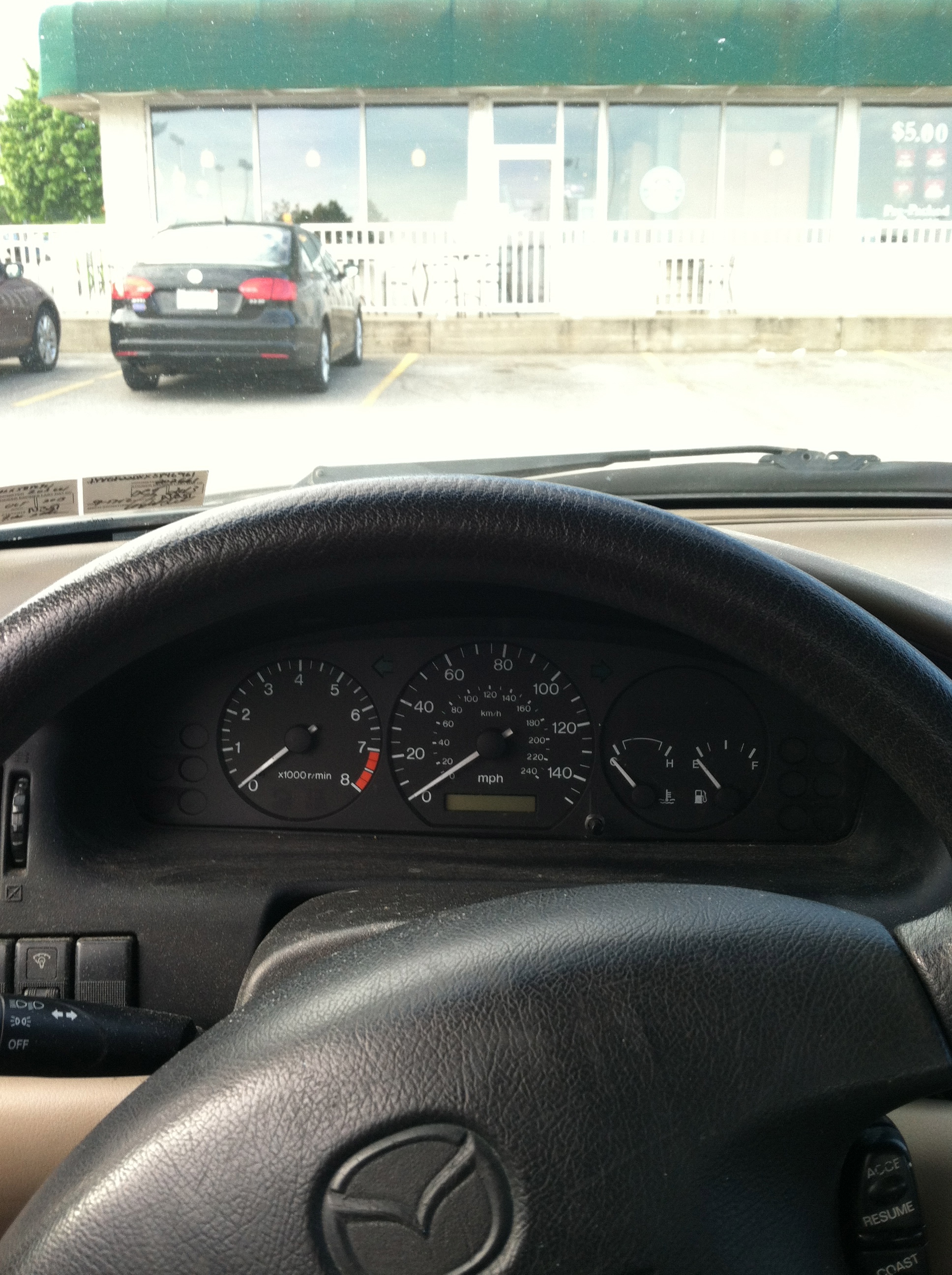
IMG_0528

View from the Prayer Chair in a 1999 Mazda 626

A couple of places you’d think would be good for contemplation actually don’t work very well.

IMG_0519

Lovely Church Sanctuary, Many Seats, But Every Noise in the Building Echoes Here

IMG_0518

Beautiful Zen Garden at the Wellness Center, But Hard Benches and High Thermostat

I don’t often need to nap in public, but I’m always praying out in the open. Some people get mad about their doctor being behind schedule, but unless I’ve got somewhere else to be, I close my eyes, sit still, and breathe. I’ve prayed in a probation office waiting room a few times and even managed it in the natter of the 30th Street Station in Philadelphia. In a coffee shop? Yes. In a department store while wife Kathy tries on clothes? Sure. In a library? Absolutely. I used to feel self-conscious when folks passed by, but what for? I don’t mind being known as the pudgy guy with owl glasses who sits around with his eyes closed.

800px-LOC_Main_Reading_Room_Highsmith

The Library of Congress; I’d Pray This Reading Room (Photo Credit: Wikimedia Commons)

When this long, cold spring on the shore of Lake Erie breaks, I’ll take the show outside, too: the front porch, back patio, and Presque Isle State Park are all in the running. In fact, if I had more time today, I’d find some shade at Presque Isle and chase down an hour’s siesta with half-an-hour’s prayer. It’s sunny and 77 degrees. The rest of this week won’t be so nice, but before long I’ll have more places to nap and pray than I know what to do with. For now I’ll settle for an hour in my own bed–that is, if I can shut out these playboys singing “to all the girls [they] once caressed.” “And may [they] say [they’ve] held the best.” Ugh!
The Gift of an Unvarnished “No”

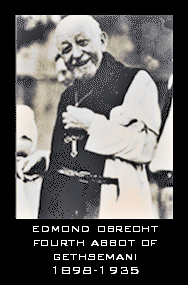
Obrecht

Dom Edmond Obrecht (Photo Credit: Abbey of Gethsemani)

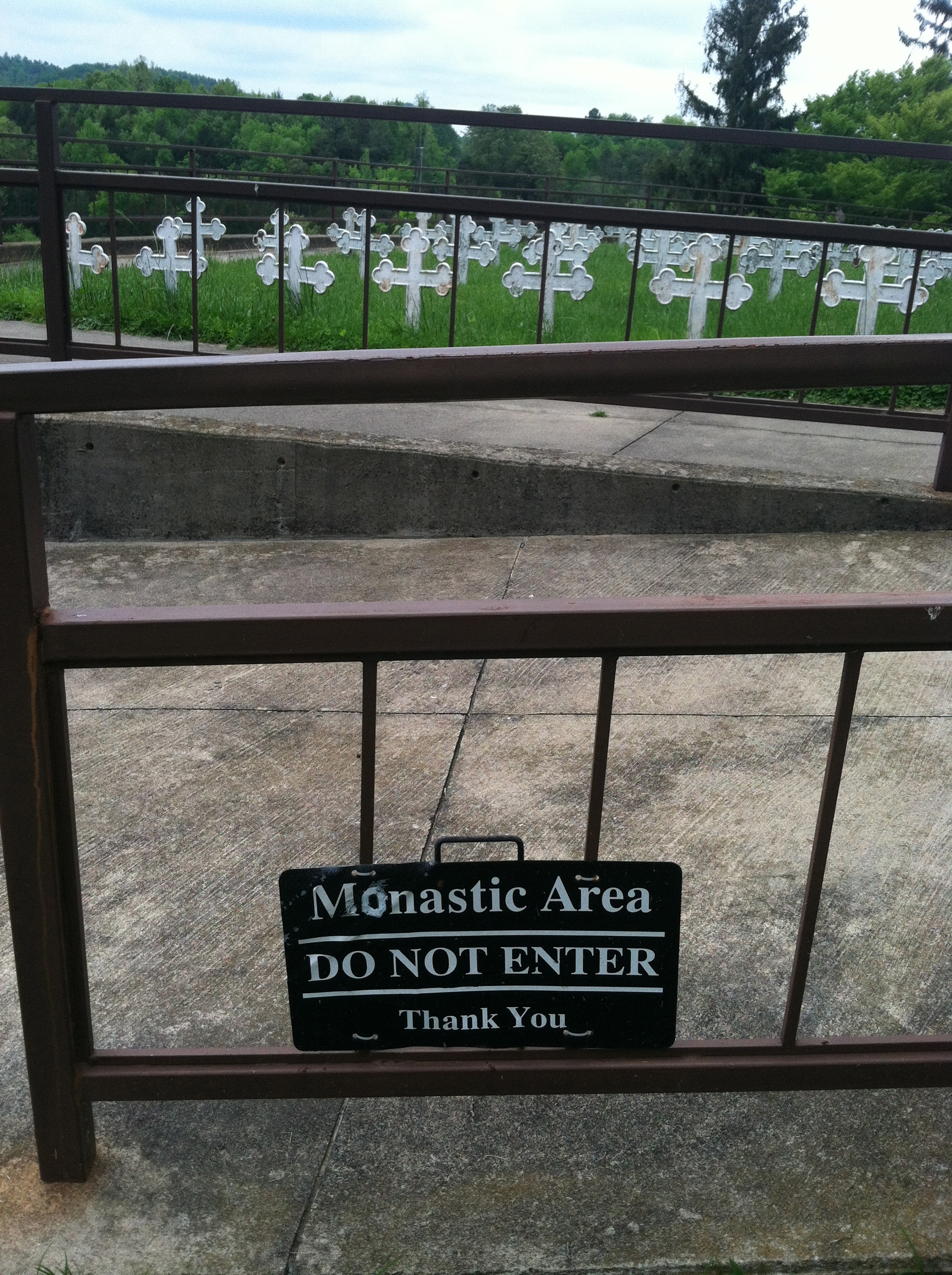
This past Thursday, the last full day of my retreat at the Abbey of Gethsemani in Kentucky, was extravagant and challenging. As usual, I wrote in the morning at the Java Joint in Bardstown, then returned to the abbey for lunch. I had it in mind to ask the guest master if I could enter the cloistered area of the monastery to look at the graves of those who died long ago, some of whom I feel like I knew: Dom Frederic Dunne, Merton’s first abbot, and his predecessor Edmond Obrecht, and the abbots before them. I’ve read so much about them it’s as if they’re friends.

At 1:00 I caught the guest master outside his office. “Do you have a minute?” I said. “I have a question?”

His body language said, “Oh, bother,” but he said, “Sure, come in.”

Fred-dunne-ocso

Dom Frederic Dunne (Photo Credit: Biographia Cisterciensis)

I said, “It’s a simple question, and I’ll understand if the answer is no.”

“That’s quite a forecast,” he said. “Okay, no.” He laughed. Before I could get my question out, he followed up: “Okay, maybe.” Big smile.

A little awkward. “Maybe’s a start,” I said. “I was wondering if I could look at the monks’ graves in the enclosure after Compline tonight?” The Great Silence begins after Compline, when the brothers go to bed. I figured there’d be no chance of disturbing anybody.

Before my words were out he was shaking his head: “No.”

Silence.

“Okay,” I said, nodding and keeping my word that no was all right.

More silence.

“Yeah, that was all,” I said.

“Oh,” he said. “That was easy.”

“Yeah. Thanks.” I walked down the hall and climbed the stairs to my room. Of course, I was crushed—temporarily at least.

IMG_0482Okay, this was no big deal, but nobody likes to receive such a flat out denial to a reasonable request. Nobody would have been around? Who would have been hurt by my walking softly on those graves?

When I reached my room, it was my normal prayer time, so I began to do what I always do, which was try to make myself peaceful before I’m finished being hurt and pissed. So I let myself have some time to be put out. Eventually, as so often happens with shamatha—calm abiding—in the Sacred Presence, truth arrived. My reaction wasn’t about the kind, but honest, guest master, but about me.

No doesn’t work for me on any level. I’m terrible about saying no to myself (this is partially why I’m a diabetic), and I agonize about saying no to others. When somebody says no to me, suddenly I’m an adolescent with a quivering lip. Why? Long story, birth family, blah, blah, blah.

Anyway, during those forty-five minutes I sat in silent prayer after what felt like a rebuke, I understood that the guest master had actually given me a gift.

IMG_0392

During Worship at Gethsemani, Retreatants Don’t Sit with the Brothers

Often in this life, the answer is no. No, no, no! There’s no dressing it up, no making it palatable or painless. It doesn’t matter that the question is reasonable. And this isn’t about the old saying that “God answers all prayer, but sometimes the answer is no.” None of that business of cleaning no up and making it a buddy.

Central to being mature and healthy for me is the ability to say and hear the fullness of no. I’m not there yet, not even close. No kidding, I’m glad now that I heard no unvarnished. Later at Vespers I saw the guest master and thought to myself, “I wish I were more like him.” Thank you, brother!

After forty-five minutes of prayer, my gut relaxed, and I felt in my body what I knew in my head: I’d received a severe blessing. That’s how growth happens.

IMG_0493

Brother John (Photo Credit: Abbey of Gethsemani)

The extravagance I mentioned came in the presence of Brother John, who shared pizza and Chimay Trappist Ale with me in the Norton Speaking Room. Thursday was the Ascension of Our Lord, an observance for Christians and an occasion for monastic partying. On festival days, the brothers crack excellent beer and eat something unusually delicious for dinner. For Brother John, the celebration consisted of two beers and two pieces of pizza. I consumed the same, but under normal circumstances, I’d consider such a meal dainty. John has his hungry ghosts (stay tuned for a future post on these ravenous spirits) under control; me, not so much.

IMG_0466My Gethsemani retreat was crowded with blessings. I enjoyed free-range siestas, long hours of prayer, plenty of reading and writing at the desk by the window, and especially those talking dinners with Brother John. I even appreciated remembering my father’s death and hearing the guest master’s no.

I wish my most important lessons didn’t feel like a punch to the sternum at first, but that’s how learning seems to happen for me. Some foolishness needs to get expelled so there’s room for health and insight.

It’s Sunday afternoon now, back home in Erie, Pennsylvania. For Mother’s Day the Coleman family will go out for all-you-can-eat shrimp, but first I feel a nap coming on. Being away is great, but getting back home is better still.

IMG_0504

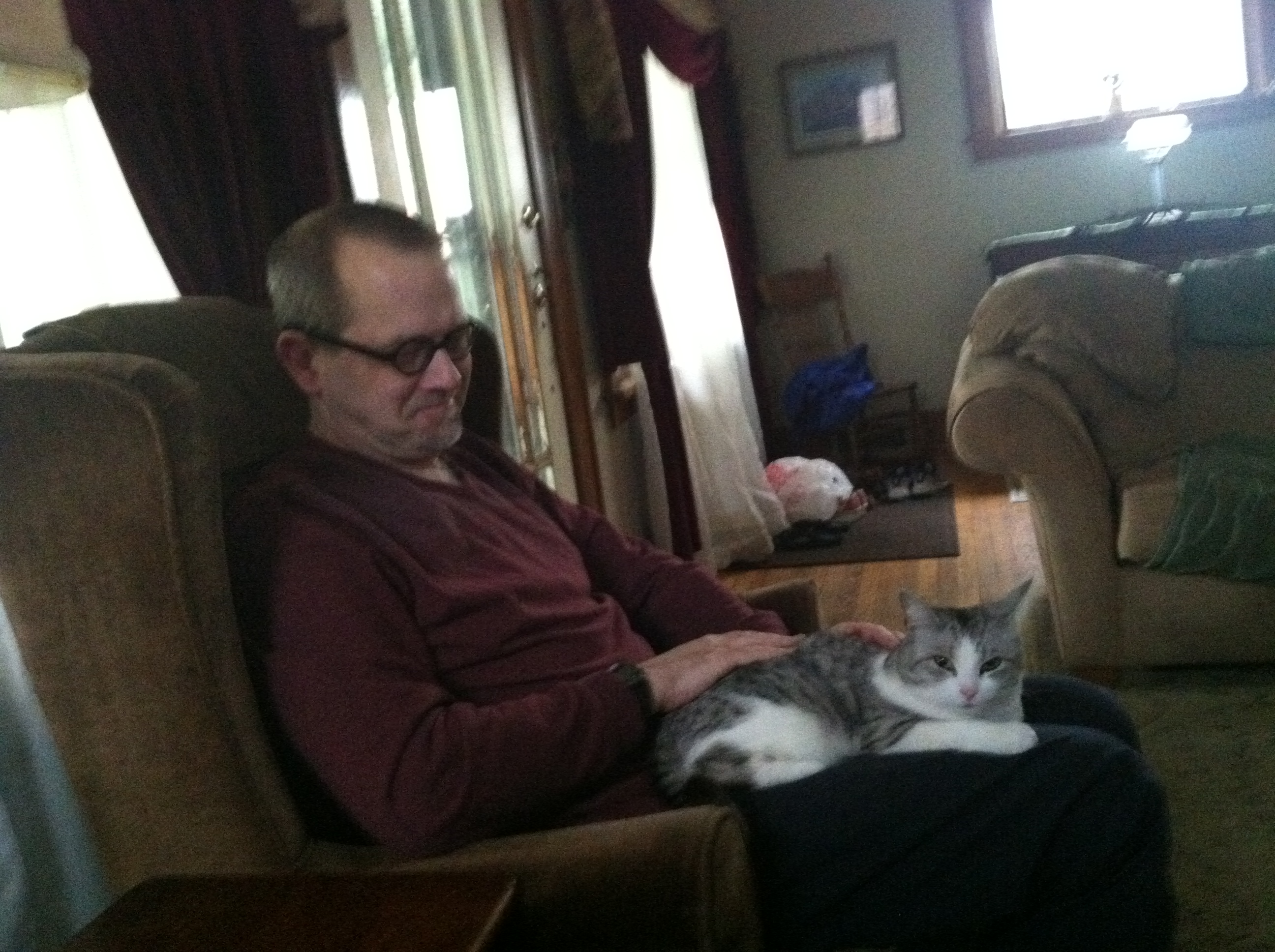
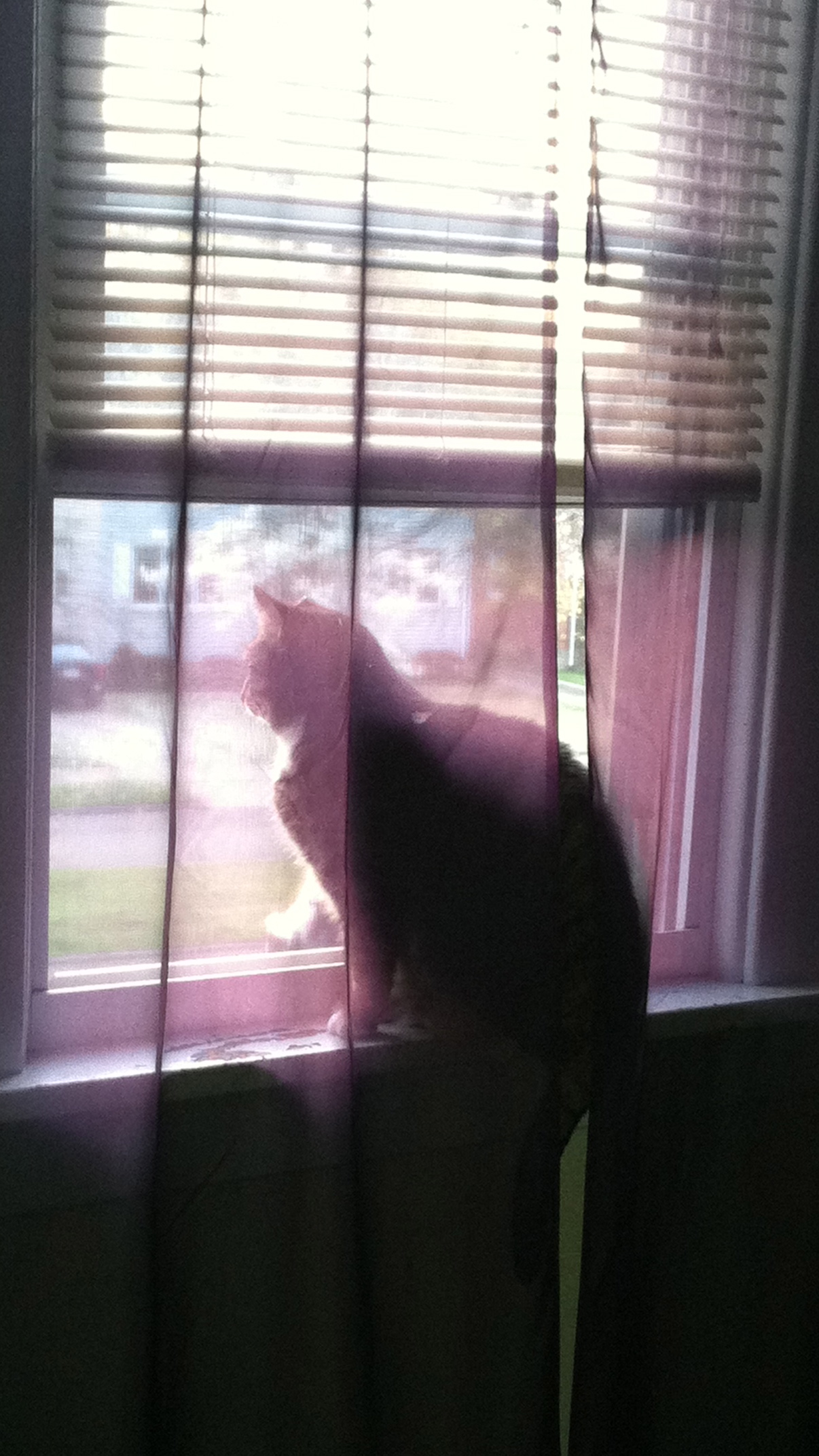
Man and Beloved Cat, Together Again.

Apothic Red, Java, and the Weeping Birds of Gethsemani

I used to make retreats hard work. Stick with the program! Pray, read, worship, rest, walk (or run), and write—this last one has always struck me as okay because writing for me is a way of meditating. This Gethsemani retreat has been different. I haven’t turned my short stay into an exercise in competitive contemplation. Relax, Coleman.

IMG_0369

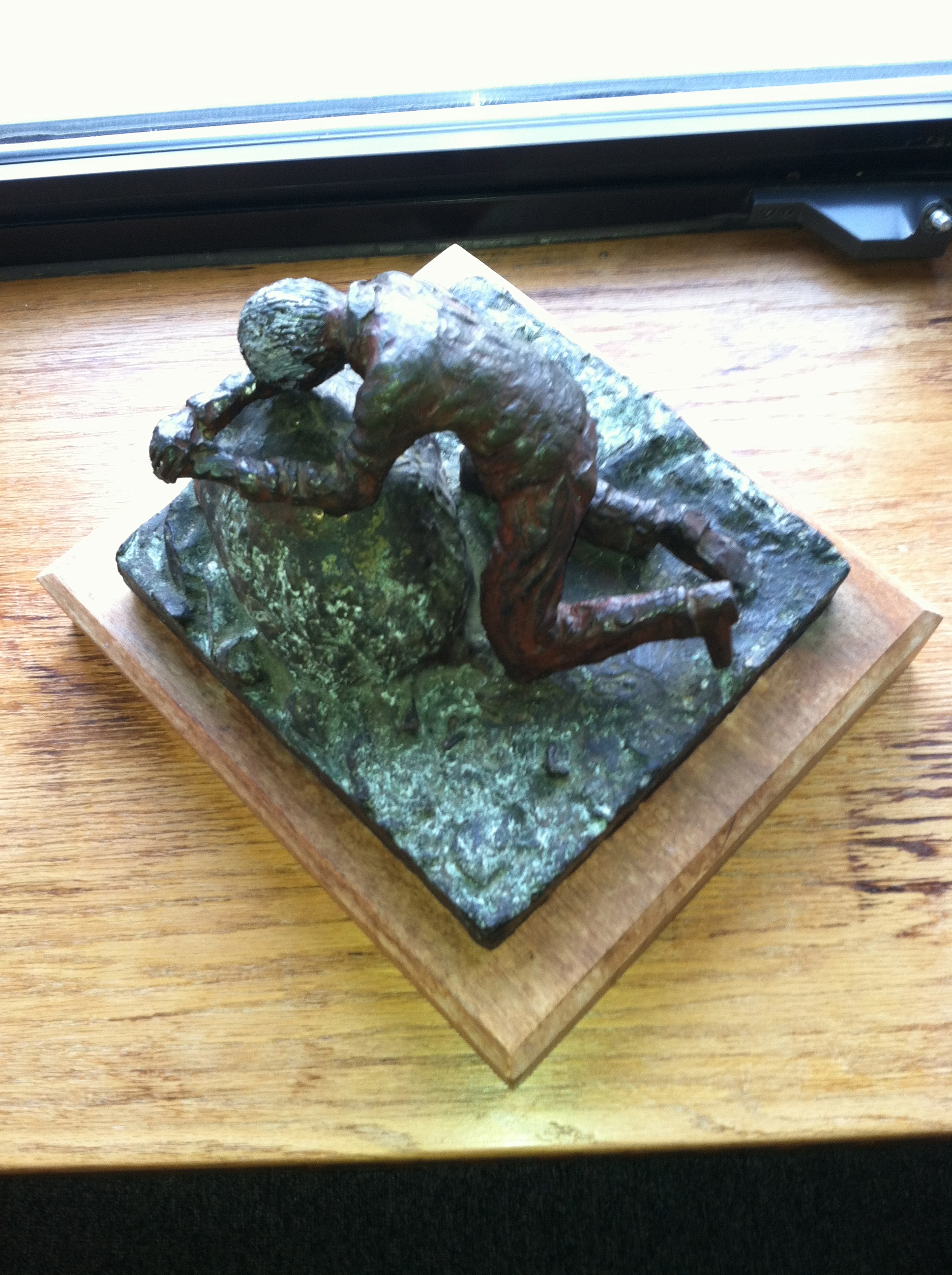
Small Prayer Sculpture in Meditation Room, Gethsemani

I’ve enjoyed a splash of wine in the evening, sitting at my desk, writing, and giving thanks for the cool breeze on my arms and face.

IMG_0366

For Medicinal Purposes

I’ve spent a couple of hours each morning in Bardstown, about fifteen minutes from the monastery, at The Java Joint. It’s unique in my experience: trippy, artsy to the eye, but Rush Limbaugh blusters on the radio—thank God for ear buds and Pandora—and, pleasant as the employees are, the coffee’s, well, ugh. Still, it’s been an amiable second home this week. Oh, yes, and free Wi-Fi.

IMG_0478

A Writer’s Java Joint Perch

IMG_0372

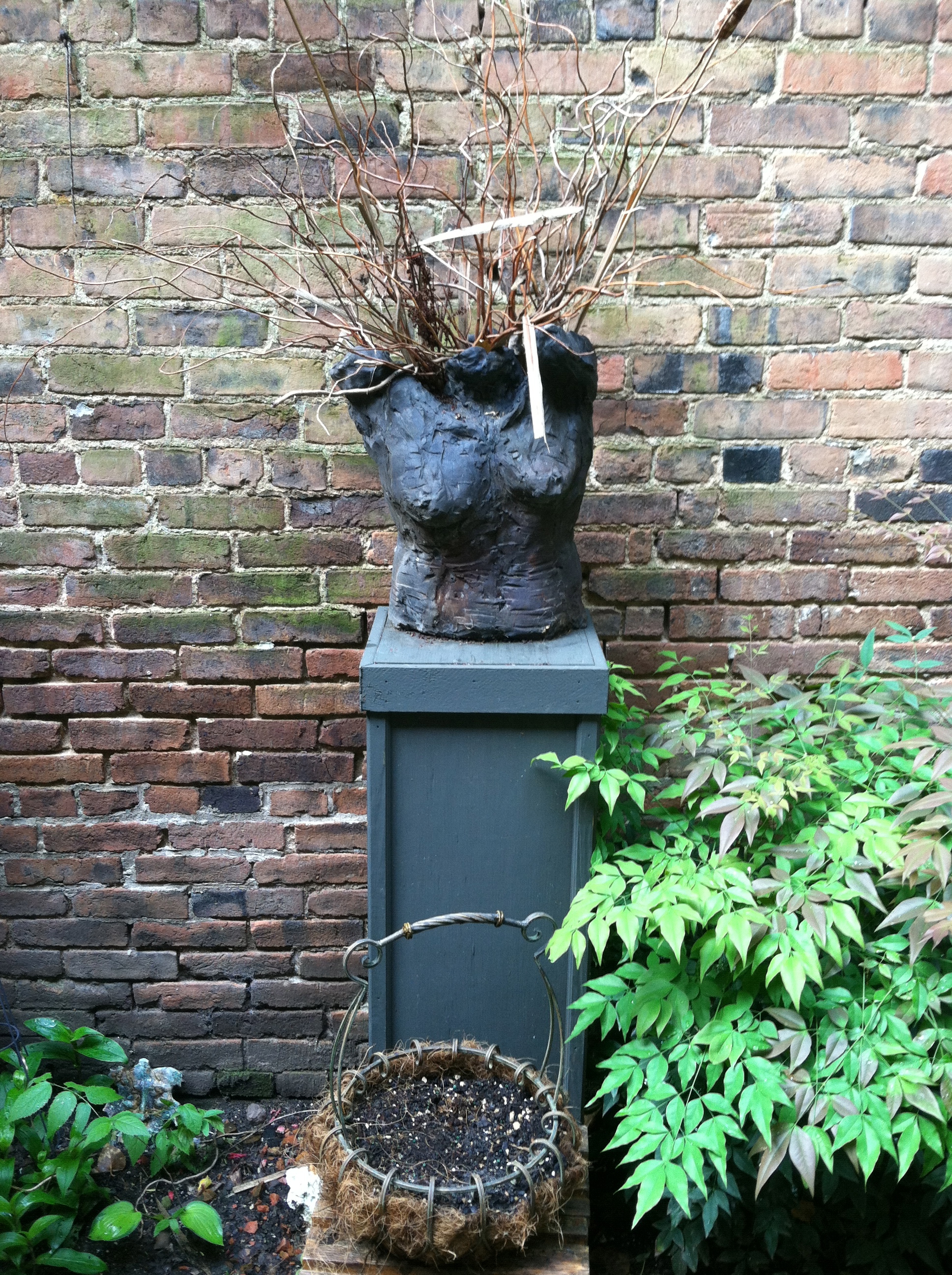
A Bust Vase in the Java Joint Japanese Garden (Suggesting What Many Women Claim, That Breasts Are Like Snowflakes

IMG_0476

Painting in the Men’s Room by Cantrell, 2008 (What Are They Putting in My Coffee?)

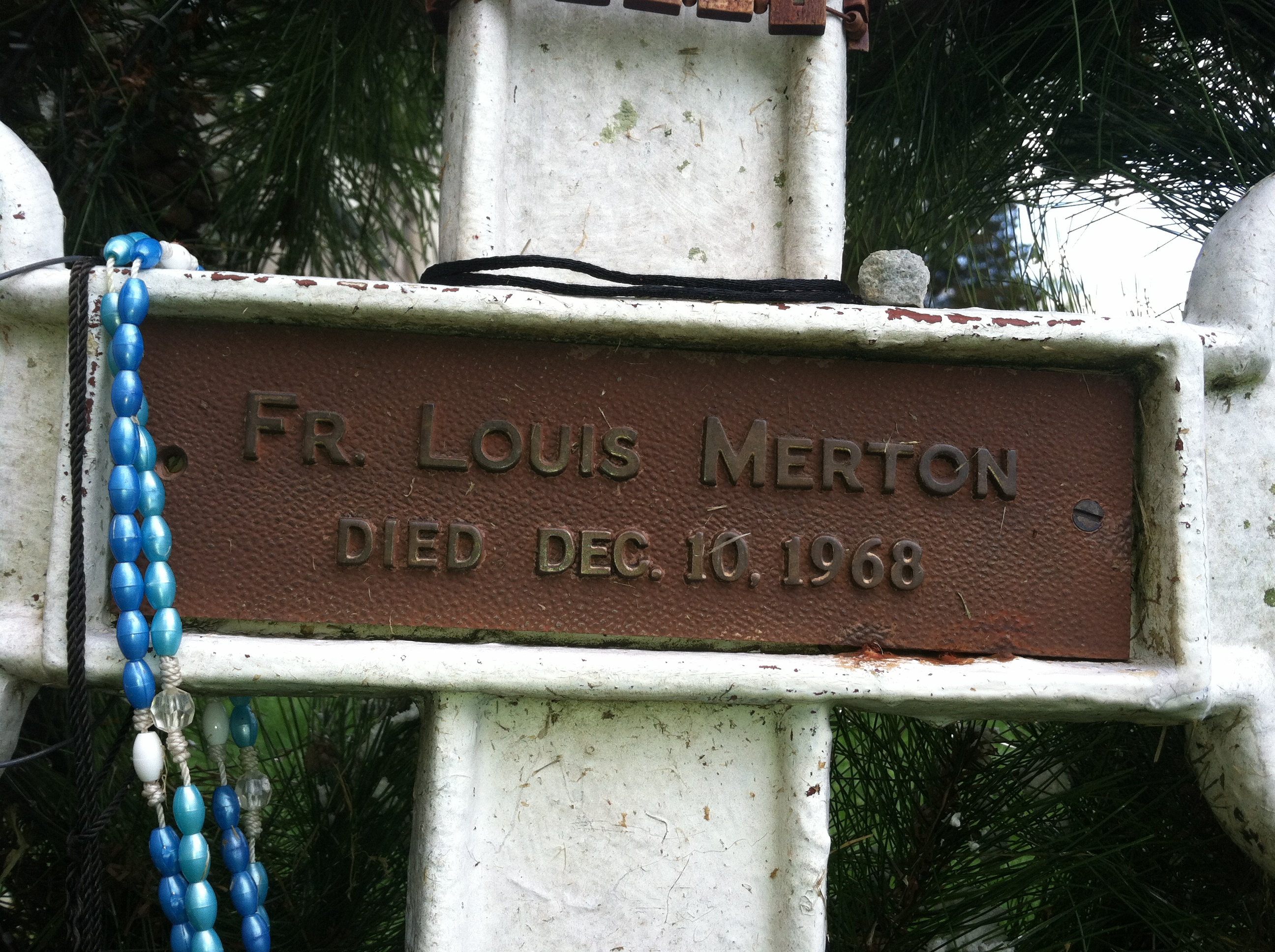
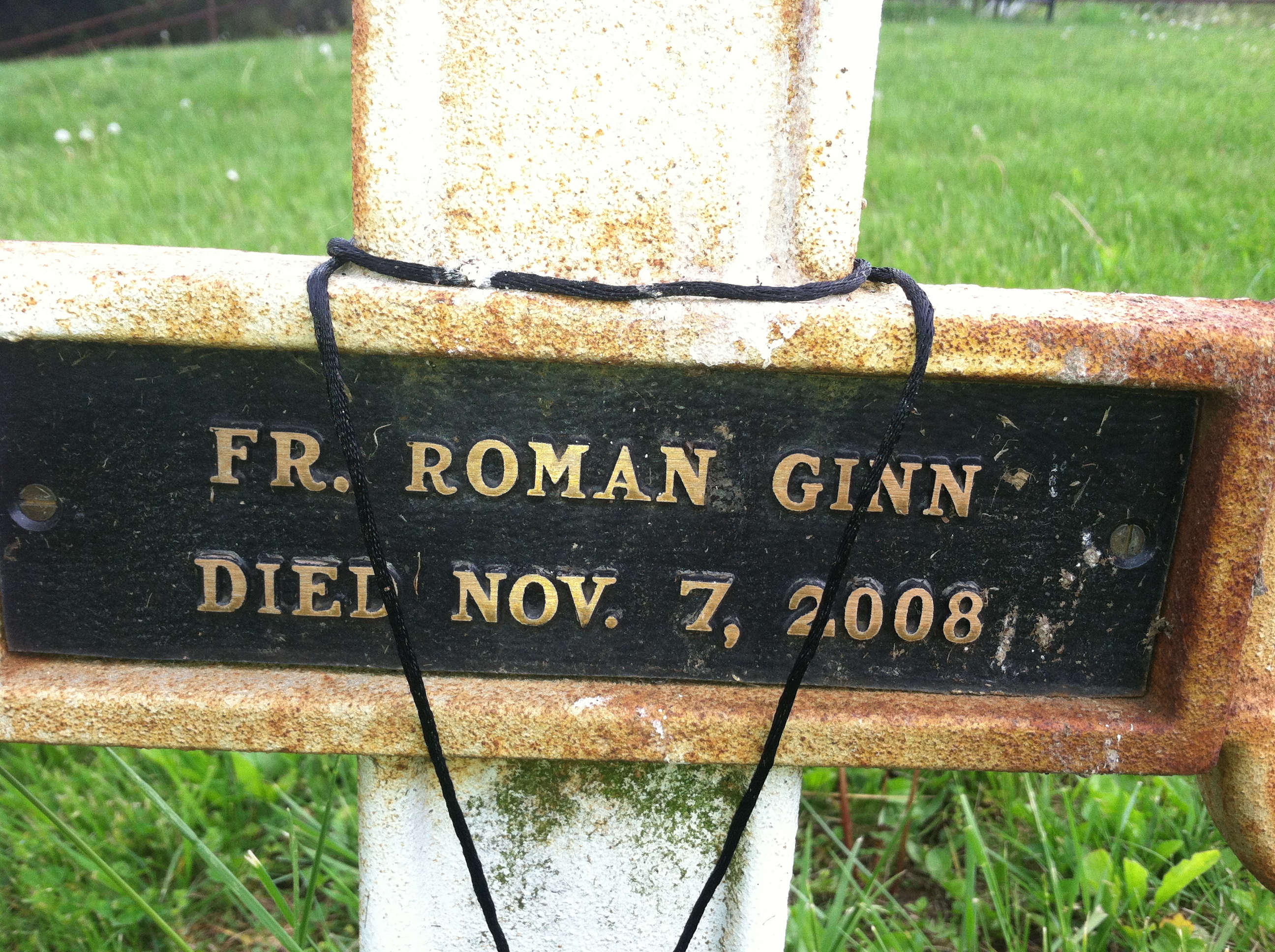
I’ve also permitted myself a touch of interior grumbling, which is way out of line, considering what a gift this week has been. Yesterday morning I visited graves not within the monastic enclosure. Mainly I wanted to see the resting places of Fathers Louis (Thomas) Merton, Matthew Kelty, and Roman Ginn. Merton’s marker was so slathered with sacred litter that I had to nudge the leavings aside to photograph his name. Kelty’s and Ginn’s bore pilgrims’ droppings as well. I felt mildly cheated, wanting to pay homage to these monks I regard as spiritual masters, not look at what amounts to big fat red lipstick kiss marks all over the crosses bearing their names. But, thankfully, these harrumphs were fleeting, quietly scolded into silence by a few good laughs at my own fussiness.

IMG_0426

Father Louis (Thomas) Merton’s Grave Marker

IMG_0415

Father Matthew Kelty’s Grave Marker

IMG_0421

Father Roman Ginn’s Grave Marker

I’ve even enjoyed some healthy irreverence. I have to think that Father Louis Merton is buried next to Abbot James Fox for cosmic reasons. According to Merton’s journals, he considered his abbot something of a megalomaniac, and they drove each other nuts for many years. Yet their bodies rest together, Dom James and Father Louis, hopefully having come to terms.

IMG_0429

Contrary Neighbors, Dom James Fox (Left) and Father Louis (Thomas) Merton

My last couple of posts have mentioned the birds of Gethsemani, the singingest flock I’ve ever heard. In all irreverence, I have to say they’re prolific in another common means of expression as well. One photo below shows a chair that obviously serves as a bird latrine. The other photo shows part of a statue called The Epiphany. Lovely work, and at first glance you might think the young Jesus is miraculously crying for our troubled world. Quick, call the Vatican! Ah, well. Turns out that the boy’s forehead is a favorite perch, and the tears are wept by birds lightening their burdens before take off. (How one enterprising sparrow or robin managed to weep into poor Jesus’ eye socket is a mystery.) Everything is sacred, and nothing is sacred.

IMG_0430

The Birds’ Loo (I’ll Take a Pass on This Prayer Chair)

IMG_0431

An Ambivalent Expression (For Good Reason)

I even used to feel guilty on retreats if I napped for too long. It didn’t stop me, but the voice of fervor and time’s winged chariot hurrying near were always on my mind. Not so now. Yesterday’s siesta, so needful, lasted two hours—two hours of snoring and drooling with abandon, followed by fifteen minutes of staring in a stupor at the ceiling. Lovely! In a couple hours, I’ll rest again, for as long as I please.

This is my last full day on retreat. Tomorrow I’ll head to Columbus, rattle around there for an afternoon, sleep one night in a hotel, then get home Saturday. In spite of the rugged stretch in prayer yesterday morning, this week has been joyful, freeing. Some would say I’ve been a retreat cheat, slinking off to a coffee shop in the morning and sipping wine in the evening. But this has been my retreat.

220px-Turdus-migratorius-002

North American Robin (Just Like One That Wouldn’t Keep Still for a Portrait This Morning, Photo Credit: Wikipedia)

Gethsemani’s birds speak for me, in their singing and in their weeping.

Viewing Dad’s Death Loop at Gethsemani

There’s an irony about the word retreat. By abandoning routine cares and responsibilities for a few days or a week, I can take long siestas, write, read, pray a lot, and finally re-enter the world refreshed. Of course, the daily slog serves a mental health purpose, though not necessarily a healthy one. Keeping busy helps me stay distracted, mostly unaware of the emotional sediment swirling around my soul.

So far this Gethsemani retreat has been joyful, restful, and undisciplined: no agenda, other than what I want to do in the present moment—within the confines of a monastery, of course. Fortunately, I’m a tame enough person that what suits me is being quiet and thoughtful. Call me a cheap date.

IMG_0458

By Gethsemani Balcony Before Sunrise

This morning was tough, though. As I prayed out on the balcony, a memory I’d hoped to retreat from stopped for a visit. Surrounded by cool air and bird song, I remembered the last time I saw my father. He died in January of 2012 in a nursing home, oddly enough while I was on retreat in a hermitage at Mount Saint Benedict Monastery in Erie, Pennsylvania. The call from my brother Ed came around 1:00 a.m. when I was in bed, not sleeping.

IMG_0018

View from Hermitage Porch, Mount Saint Benedict Monastery, Erie, Pennsylvania

He’d called me in the early afternoon the day before to say the end was near. I left the hermitage intending to stay with Dad until he passed, playing-by-ear what I’d to with the rest of my retreat. When I arrived, he was unconscious, but restless.

“I’m here, Dad.”

He responded by reaching up in the air as if he were trying to pull pillows to his chest and howling—that’s the only word for it. He sat up part way and let out a roar mixed up with a sob.

Not the comfort I was hoping to provide.

I took Dad’s hands, but he wouldn’t be consoled. He squeezed so hard I thought, “This man’s got way too much vinegar in him to die anytime soon.”

For the hour I was with him, he sat up part way at least a dozen times and howled. Not a single howl, but a few strung together. His hands crushed mine and reached for invisible pillows. Over and over. He was having a nightmare that he knew was a nightmare, but he couldn’t will himself awake. That’s what I imagine, anyway.

Sixty minutes of this was enough. I said goodbye as best I could and drove back to the hermitage. What did I do that evening in the quiet woods? No idea. I only remember thinking that I had to let my father die alone because if I weren’t there he might calm down.

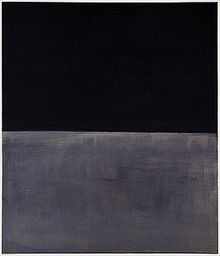
Dad had the most tortured death of anybody I know. I’m not just talking about his deathbed, but his final months. Every time I visited him, he reached for me and cried, tortured by his dementia. The only thing he knew was that he’d lost his mind, and he couldn’t stop trying to get it back. He could never let go into oblivion. “If I had a gun,” he often said, putting two fingers to his temple in the universal suicide gesture.

220px-RothkoBlackGray

Untitled, Mark Rothko, 1970, the year of his suicide (Photo Credit: Wikipedia)

When I touched Dad’s forehead at the funeral home, it felt like cold, hard rubber. In eighty-five years he never lost one of his wavy gray hairs, but nothing was left underneath them.

So this memory compilation of my father ran in a loop during morning prayer. I guess it was my morning prayer. Restful as retreats can be, a visitor like this can be tiring. My siesta this afternoon will be sweet, delicious.

IMG_0468

A Gethsemani Siesta

In this moment I’m not sad. I accept that Dad’s death loop has to run every once in a while until I’m finished grieving, which may be never. So be it.

For some reason I feel light, as if some emotional sediment floated downstream. It’s strange to think that part of the reason I retreated eight hours to Kentucky may be that I needed to see Dad die again as birds sang around me in the morning air.

IMG_0461

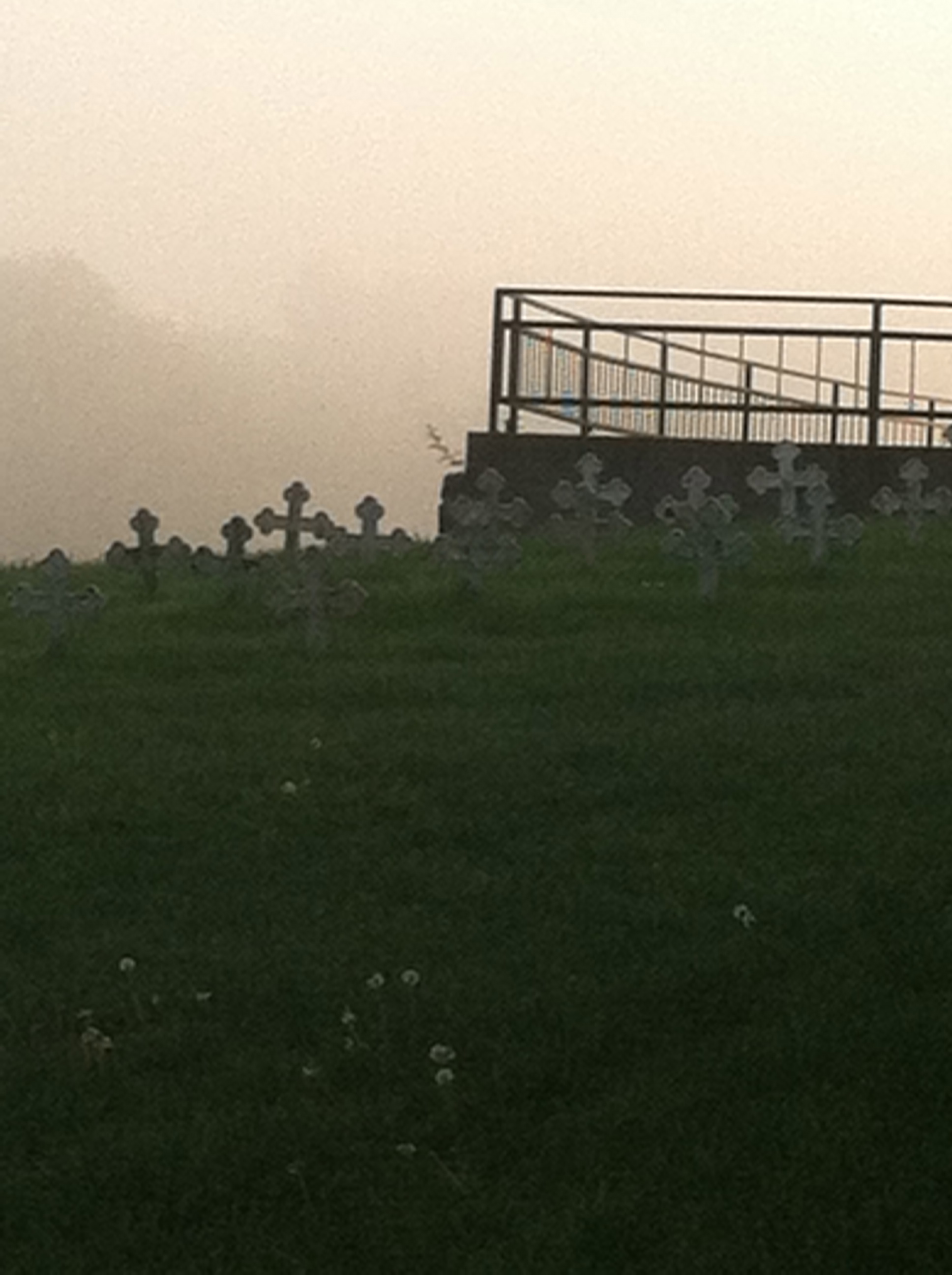
Morning Mist over Monks’ Graves

A Siesta in the Brothers’ Peace

IMG_0367I’m looking out at spring from the third floor of the Retreat House at the Abbey of Gethsemani. Compline finished half an hour ago with the monks chanting in the dark sanctuary their love song to Mary, and now the birds outside my window are singing their own love song as the light grows thin; farther off, a mourning dove says something truthful. The only discordant sounds belong to a few of my fellow retreatants, who aren’t sure what all the “keep silence” signs are about. No matter. It’s Monday evening, and from now until Friday morning, I’m in a place founded on a Christian version shamatha—calm abiding. Shh. Keep quiet, inside and out. Listen.

4429014019_0264fdc4f4

Photo Credit: Stahrman

A retreat in the rolling hills of Kentucky–or anywhere, for that matter–isn’t for everybody. Slowing down, closing your mouth, and hearing what you’ve been trying for years to shut out can make you squirmy, claustrophobic. Your spirit can feel like your feet do after wearing roller skates for a few hours: numb, unreliable. What sane person would actually take vacation time for shamatha and the emotional reckoning it invites? And who would choose calm abiding as a career?!

choir_front_page

Photo Credit: The Abbey of Gethsemani

If you’ve never visited a monastery and only read a description of the monastic routine, you might think cloistered monks are squandering their lives. Wouldn’t it be better for the three- or four-dozen men who live at Gethsemani to leave the enclosure and get their butts into the trenches and help the poor? Isn’t praying and remaining silent and making cheese, fudge, and fruitcake a waste of a human being’s seventy or eighty years on this planet? Some say so.

What many find hardest to understand about a monk’s vocation is this: monks believe that they stay in one spot and pray not only for themselves, but more importantly for my sorry carcass, your probably much more healthy and well-adjusted carcass, and our crazy world that keeps busy shooting and blowing up innocents. Daffy, but true. I once saw a video in which a brother from the Abbey of the Genesee said that the day he believes he lives as a monk only for himself will be the day he leaves the monastery.

5569921750_d30bd2b3e8

Photo Credit: Stahrman

This belief that monks live for others is made concrete by their hospitality. I don’t know the exact number, but I’m guessing there are thirty to forty pilgrims with me in this Retreat House, which is attached to the monastery proper. We each have our own bedrooms and bathrooms, and there are also rooms available for men in the floors above where the monks themselves live. How much will this stay cost me? Depends on what I can afford. Money’s tight right now, so I’ll leave a check for $100 when I leave. The meals alone, simple but tasty and hearty, are worth more than $100. If I left nothing, I’d never hear a word about it. The next time I come here, I hope to give much more.

Of course, I didn’t take vacation time for a retreat at Gethsemani because of the bargain. I’ve come here to rest, to get centered, to tend my sanity.

The Abbey of Our Lady of Gethsemani

Around 2:15 this afternoon I spotted the spire of the abbey church. I got out of the car, grabbed my bags, and walked toward the Retreat House. Within twenty seconds I’d entered the silence. When the lay receptionist saw that I was the Rev. John Coleman and handed me my key, he told me about how I could concelebrate the Eucharist—something a Roman Catholic priest might want to do. Sweet old guy, really.

“Well,” I said, “I’m a Lutheran pastor.”

He smiled. “Aren’t we silly? All these divisions.”

“Yep,” I said, “we sure are.”

“When you’re elected Pope of the Lutheran church,” he said, “you can change all this.”

We had a good laugh, and I took the elevator to my room.

After leaving my bags, I headed for the sanctuary balcony, where I sat down after the conclusion of the prayer period called None, which ended at 2:30. Five monks were still praying quietly in their seats. I prayed with them for a few minutes and wondered if I could live their silence, day after day, month after month, year after year. No.

And by prayed with them I mean sat long enough to honor what they were doing. I assume they were giving God—or whatever name you want to assign eternal grace and mercy—room to take up residence in their spirits.

Guest quarters

Guest quarters (Photo credit: Wikipedia)

After watching over them on the balcony, I went back to my room and lay down on the twin bed. For much of the eight-hour drive from Erie to the-middle-of-nowhere Kentucky, I mentally reviewed all that I planned to sort out and accomplish at Gethsemani. The closer I got to the abbey, the more I was convinced that I needed to let go. For my days here, there should be no plan, no agenda. No shoulds!

The monks who spent so many hours in prayer, together and alone, knew they didn’t possess wisdom themselves. The best they could do was sit still and let wisdom come to them—or rise up within them. Whatever.

On the twin bed in my room, I closed my eyes at 3:00 p.m. And in this place of letting go created by hundreds of monks, I slept for an hour. Then, for another thirty minutes I lay there, breathing deeply, neither asleep nor awake. I got up grateful.

The brothers have prayed in this place for over 150 years. I took my siesta in the embrace of their peace.

IMG_0370

Intense Turkish Coffee and Our Primary Nervous Flux

Honoré de Balzac, by Nadar

Honoré de Balzac, by Nadar (Photo credit: Wikipedia)

I obviously love my daily siesta, but there are people who never even consider resting at midday. My brother Ed is one of them. He’s a CPA, relaxed, well-adjusted, and says he never remembers taking a nap. Another might have been Honore de Balzac, a French novelist and playwright who, according the The Writer’s Almanac, drank twenty to forty cups of “intense Turkish coffee every day” and smoked lots of pipe tobacco. He claimed to have once worked forty-eight straight hours interspersed with only three hours rest, but in the end all the caffeine probably killed him.

Balzac’s essay “The Pleasures and Pains of Coffee” parses his obsession with and dependence on coffee: “Coffee affects the diaphragm and the plexus of the stomach, from which it reaches the brain by barely perceptible radiations that escape complete analysis; that aside, we may surmise that our primary nervous flux conducts an electricity emitted by coffee when we drink it.”

5345513273_c54d94254f

Portrait of Honore de Balzac (Credit: Steve Hammond)

And Balzac was all about his “nervous flux” sparking. He favored drinking coffee before eating to maximize its effect. As the acid eats away at the “stomach, a sack whose velvety interior is lined with tapestries of suckers and papillae,” “everything becomes agitated. Ideas quick-march into motion like battalions of a grand army to its legendary fighting ground, and the battle rages. Memories charge in, bright flags on high; the cavalry of metaphor deploys with a magnificent gallop; the artillery of logic rushes up with clattering wagons and cartridges; on imagination’s orders, sharpshooters sight and fire; forms and shapes and characters rear up; the paper is spread with ink—for the nightly labor begins and ends with torrents of this black water, as a battle opens and concludes with black powder.”

If coffee had this effect on me, writing would be the last thing I’d want to do. I have plenty of agitation of my own. Other than an appreciation for wine and beer, I’m a chicken about stimulants or depressants. About twenty-five years ago, just before daughter Elena was born, I smoked hash with some friends and had the mother of all panic attacks. Ever since, I’ve been phobic about any drug that might make me lose control and freak out. During a bout with bronchitis a few years ago, I took cough syrup with codeine but couldn’t bring myself to use the prescribed inhaler, which might have messed with my temperamental heart rate. In short, my “primary nervous flux” generates too much electricity as it is. I need to power down, not ramp up.

IMG_0276

A Powering-Down Aid

Whether my powering-down siestas contribute anything to humanity is doubtful, but nobody can say that coffee didn’t work for Balzac and world literature. He wrote almost one hundred novels, short stories, and plays, and according to Wikipedia, his work influenced Proust, Zola, Dickens, Dostoyevsky, Flaubert, Faulkner, and Kerouac.

en: Portrait of Ewelina Hańska by Holz von Sow...

Portrait of Ewelina Hańska by Holz von Sowgen, 1825, miniature on ivory. (Photo credit: Wikipedia)

In the final year of his life, Balzac married Ewelina Hanski, whom he loved for many years, though she was married. Her husband Waclaw died in 1841, but it wasn’t until 1850 that Balzac was able to marry her. “On 14 March 1850, with Balzac’s health in serious decline, they drove from [Ewelina’s] estate in Wierzchownia (village of Verkhivnia) to a church in Berdyczow (city of Berdychiv, today in Ukraine) and were married. The ten-hour journey to and from the ceremony took a toll on both husband and wife: her feet were too swollen to walk, and he endured severe heart trouble” (Wikipedia). Five months later, Balzac died at fifty-one. “His wife had gone to bed and his mother was the only one with him” (The Writer’s Almanac).

Would a daily hour of oblivion have tempered the great author’s lust for caffeine? Maybe, but his work flashed out of his “nervous flux”; Balzac wouldn’t have been Balzac without coffee. Sumus quod sumus (we are what we are).

8504080003_d500368d39-1

Balzac’s Tomb (Photo Credit: Joop van Meer)

“I Don’t Know! Ask the Horse!”

In Savor, Thich Nhat Hanh and Dr. Lilian Cheung tell the Zen story of a horse and rider: “The horse is galloping quickly, and it appears that the rider is urgently heading somewhere important. A bystander along the road calls out, ‘Where are you going?’ and the rider replies, ‘I don’t know! Ask the horse!’”

The horse represents our habit energy, “the relentless force of habit that pulls us along, that we are often unaware of and feel powerless to change. We are always running.” I’ve decided that my life depends on understanding my habit energy—the silly, mindless actions and words that litter each day. I eat too fast, drink too fast, drive too fast. I worry too much, talk too much, eat way too much.

Thich Nhat Hanh says I should talk to my habit energy: “Hello, my habit energy. I know you are there.” Plentiful daily siestas and over twenty year’s worth of contemplative prayer are putting me in touch with my silly horse. Writing about napping and other sane practices helps, too.

Last night, as wife Kathy and I walked our happy black dog Watson around the block, we calmed our habit energy long enough to check out little flowers on a neighbor’s fence.

IMG_0303

This morning I prayed in bed from 6:00 – 6:30 and intended to dress and dive into the day—much to do. But oncology-nurse-wife Kathy woke up with a knot in her back, so instead of getting right to work, I did my best to massage away what felt like a concrete ping pong ball beside her shoulder blade. (Masseuses have my respect. Subduing stubborn muscles takes strong hands and forearms.) The delay turned into a blessed twenty minutes. Once the knot was worked out, she leaned against me, and we breathed in, breathed out. The cats relaxed with us.

IMG_0309

IMG_0311

Today’s work includes trying to find good words for someone who lost a loved one to cancer, visiting a woman with lung cancer, and asking prayers for a six-year-old girl who was in an ATV accident a couple days ago and is still unconscious. “Change and decay in all around I see,” says an old hymn. So it is.

When I pray, rest in the afternoon, and—even in this moment—breathe, I can’t help feeling we’re all in a great lap of grace and mercy. All of us. The world’s evidence is against me. Habit energy tells me to clench up, to struggle and strain. No. For too many years my harried horse has been galloping my body and mind where it pleased. Life project: pat the horse on its big nose and train it to carry me slowly through my lovely, crazy days.

What I Almost Hurried Past

James_Wright_(poet)

James Wright (Credit: Wikipedia)

James Wright’s (1927-1980) poem “Lying in a Hammock at William Duffy’s Farm in Pine Island, Minnesota” is a must read for every siesta lover on the path of mindfulness. The poem is short, and the title covers a lot. The speaker of the poem beholds the beauty of the moment: “a bronze butterfly”; cowbells “in the distance of the afternoon”; “a field of sunlight between two pines”; “a chicken hawk . . . looking for home.” Wright’s last line at first seems like a non sequitur: “I have wasted my life.”

I thought of James Wright, whose work I love, this weekend as that last line kept sounding in my head: “I have wasted my life.” I haven’t really “wasted my life.” A wealth of blessings surrounds me, and at fifty-one, I’m bold enough to accept that I’m a decent guy. But sitting in the Coleman family breakfast nook yesterday, I had a moment of awareness–shamatha, if you’ve read recent posts–that has graced my whole weekend. And this grace–what C. S. Lewis might call a mildly severe mercy–has made me wonder how much of my life I’ve wasted.

I’m a worrier. Give me a pimple, and I can turn it into a malignant tumor in a skinny minute. Give me a conflict, and I’ll work my stomach into an acidic lather. I’m better now than in years past, but still, as a wise friend says, I’m great at shoveling smoke. How many blessings have I walked mindlessly past because my guts were in a knot over minutia? Is it an exaggeration to say “millions”?

Yesterday (Saturday) morning, before I rushed off on some errand, words of wise wife Kathy slowed me down: “Did you see the flowers out back?” Of course not. So I went out the backdoor for five minutes and looked.

IMG_0285

IMG_0288

IMG_0292

I have wasted my life. But not wasted it beyond redemption. If I’m lucky, I might still have some great years left during which, like James Wright, I can lie in a hammock, so to speak, and receive the blessings scattered before me like jewels, only more valuable.

Maybe wisdom is settling in. This morning (Sunday) as I was walking to my car, I almost missed these blessings–almost!

IMG_0294

IMG_0295

IMG_0297

Even as I passed through the church office to the Pastor’s Study, I nearly rushed by flowers again. Michelle, friend and Parish Administrator, had these hearty blossoms in a vase:

IMG_0299

As I stood in the Pastor’s Study, I finally got the hang of it–that is, slowing down enough to give thanks for flowers spotted on the way to getting work done.

IMG_0300

Eight-year-old spindly poinsettias in the south window of the Pastor’s Study.

So what is life? I’m not sure, but maybe it’s what I’m hurrying past on the way to making sure my work gets done.

Why Not Be Kind to the Frazzled Barista?

IMG_0273

One View from My Prayer Chair

For me, a siesta is about much more than sleeping for an hour in the afternoon. A siesta is just one part of a way of life built on stopping, breathing, reflecting, praying, and waiting. Some people who are in constant motion are able to be healthy, balanced, thoughtful, and peaceful. Not me. If I go more than a day without prayerful meditation, mild anxiety sets in. In a few days my chest is full of static electricity. I’m a mess. So I have a choice: either cultivate peace in myself or be miserable and useless.

A couple years ago, while riding Amtrak from Pittsburgh to Orlando, I discovered vocabulary that describes the mind- and spirit-set that now keeps me something-like sane. It’s worth mentioning the purpose of my train ride wasn’t pleasant. My dad, who has since passed, and step-mother were in a synchronized nosedive of dementia, and my mission was to convince them to leave their beloved condo and move into an assisted living facility. They were dug in and defiant, chaining their door against the social workers my brother and I had commissioned to do something—anything!—to dislodge them. Just thinking about that whole time makes me feel cruddy. In the end, my trip was a failure. (Months passed before my dad and step-mother were in a safe place.)

518454141_ee41efad6c_m

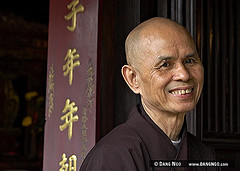
Thich Nhat Hanh (Photo Credit: Dang Ngo)

But the train ride itself was fine, accompanied as it was by Savor: Mindful Eating, Mindful Life by Thich Nhat Hanh and Dr. Lillian Cheung. Not too many pages in, the famous Buddhist monk and the dietician were offering up words and images that had me pausing to digest with every paragraph. The audience for Savor is largely folks who want to lose weight, but the book’s application is universal.

The first word that hooked me sounds as though it could be a name for Siesta’s twin sister: “The Buddha teaches that change requires insight, and insight cannot begin until we stop and focus our attention on what is happening right in front of us. This stopping, or shamatha, allows us to rest the body and the mind. When we have calmed ourselves, we can then go on to look deeply into our current situation.”

2158255532_d4f21fec54

(Photo Credit: plentyofants)

Shamatha: from the moment I said it in my head on the Silver Meteor it’s been a mantra. Ironically, the practice of stopping hasn’t slowed down my gluttony much, but it’s helped me to be mindful in other ways. Walking from the car to the house, why not stop, look up at the stars, take in a draught of cool air? Sitting with wife Kathy at the end of a tiring day, why pass along the news story I read about an abused child left for dead or the absurdity du jour from Washington, D.C.? What good will it do her to know that mess? Why not be kind to the frazzled barista? Why drive 70 mph in a 55 mph-zone on I-79 as I think of a steaming, bitter, sweat Americano? Am I really in a hurry? Wouldn’t it be better to glance along the way at the pale gray trees not yet budding and give thanks? Shamatha.

IMG_0279

Shamatha to her twin sister Siesta: “You sleep, dear. I’ll watch for traffic.”

Right now I’m actually sipping one of those Starbucks coffees and getting ready to head to the church. Breathe in, breathe out. The sky’s cloudless. Ten years ago I wouldn’t have stopped to notice. Today Siesta and Shamatha are my wise twin sisters, taking my hand and teaching me to be gentle and patient.

Stay tuned for more good words from Savor.

I Was Napping When Napping Wasn’t Cool

I’m fighting off a little resentment here. In 1981 Barbara Mandrell sang, “I was country when country wasn’t cool.” After noodling on Google for half an hour this morning, I want to sing, “I was napping when napping wasn’t cool.” One website I visited, visual.ly, promises to give [me] all the factoids about napping [I] could ever want” in a “beautiful infographic.” The graphics are slick, but I’m grumpy from the start because the only difference between a fact and a factoid is the latter sounds cooler. Some might argue that a factoid is a wee-little fact, but please. To borrow from Dr. Seuss, “a fact is a fact, no matter how small.” The present movement to replace switch with switch out rubs me the same way, a factoid that proves that I’m about as interesting as comatose bison.

3663752833_9ba22b7055

Photo Credit: Doug Clemens

Moving on. Drawing from multiple sources, visual.ly gives some solid information on napping, which you can look up if reading this blog isn’t tedious enough for you. The resentment I mentioned comes from somebody who—identifying the somebody is difficult because the sources aren’t linked directly to the facts—presumes to label naps of various denominations. Here’s a quick run down, with my praise and complaints in parentheses:

“The Nano-Nap: 10-20 seconds,” as when you “nod off on someone’s shoulder on the train.” (First, if the nodder and noddee are strangers, yuck. Second, I’m not in favor of calling 10-20 seconds of oblivion a nap. This is like adding a two-meter race to track meets.)

3632321433_3c3132b4d6

Photo Credit: BradKellyPhoto

“The Micro-Nap: two-five minutes”; “surprisingly effective at shedding sleepiness.” (The first time I encountered the term micro-nap was in reading about Swainson’s—or the olive-backed—thrush, which takes hundreds of 2-5 second naps per day while in flight. More on naps in the animal kingdom some other day. A 2-5 minute nap for humans? Breather or rest fits better, if you ask me.)

585587155_5998f8b522_m

Photo Credit: Kiran Pilly

“The Mini-Nap: 5-twenty minutes”; “increases alertness, stamina, motor learning, and motor performance.” (The term fits. As mini suggests, 5-20 minutes of sleep is at the low end of the spectrum; not a full nap. Like a kiddie soft-serve ice cream cone, two scrawny bites for an adult.)

2909270687_d542a06299

Photo Credit: Photofreaks

“The Original Power-Nap: 20 minutes –“; “improves muscle memory and clears the brain of useless built-up information.” (I was under the impression that a power-nap was 20 minutes long, 30 minutes max. Anything longer constitutes a conventional nap, but that’s just my amateur opinion.)

159832857_1a941c9f16_m

Photo Credit: Kranzelic

The Lazy Man’s Nap: 60-90 minutes”; “includes slow-wave plus REM sleep; good for improving perceptual processing; also when the system is flooded with human growth hormone, great for repairing bones and muscles.” (Since this is my preferred napping range, I resent the label. With all the benefits listed, this sounds like The Smart Person’s Nap—why be exclusive?)

6154261813_8f7063bb0f-2

Photo Credit: Justin Rahme

These napping terms are arbitrary and, in the case of Lazy Man’s Lap, judgmental. Lazy is to nap is the same as crazy is to therapy—not helpful! Still, visual.ly is behind the cause of midday oblivion, and for that I’m grateful.

Napping is so cool now that a University of Texas at Austin website, healthyhorns.texasu.edu, devotes a full tips page to the subject. Why should a college student nap? “Increased alertness and focus,” “higher energy levels throughout the day,” “increased motor performance (such as reaction time) and reduced mistakes and accidents,” and “decreased moodiness.” Churchill and Thatcher, Reagan and Clinton, and millions devoted to taking siestas have known of such benefits long before scientists got tenure publishing the proof.

What makes healthyhorns.texasu.edu novel, however, is a Healthy Horn Nap Map that lets students know where to crash and how to do so safely. The Alumni Center has “comfy, leather furniture,” and the Turtle Pond has grass and “shady spots.” Campus-wide you can find sixteen sleep-friendly spots, but do practice security: “keep your eyes on your stuff” and wrap “your arms around your backpack.” Copy that.

All this napping awareness is good, but only two years ago, Ray Lahood, unenlightened head of the Federal Aviation Administration said, “We’re not going to pay [air traffic] controllers to nap.” They were so tired that they were orchestrating near-misses, but never mind. Naps are bad! Period! Harrumph!

5577544519_6d17602229

Photo Credit: Bicycle Transportation Alliance

Fortunately, in 2013 science so confirms the wisdom of napping that the tough-guy response to incorporating rest into company time sounds ignorant. But nappers aren’t generally the type to say, “Told you so.”